Bavaria, Simply Done
Claire
| 31-08-2026
 · Travel team
Hello, let's get started. You probably picture Bavaria as a postcard: fairytale castles, lederhosen, and charming village streets.
And sure, you'll find all that. But the real Bavaria is quieter, more rural, and a lot more practical than the clichés suggest.
Get past the crowds at Neuschwanstein and you'll find mountain trails, tiny village bakeries, and a pace of life that actually makes you slow down.
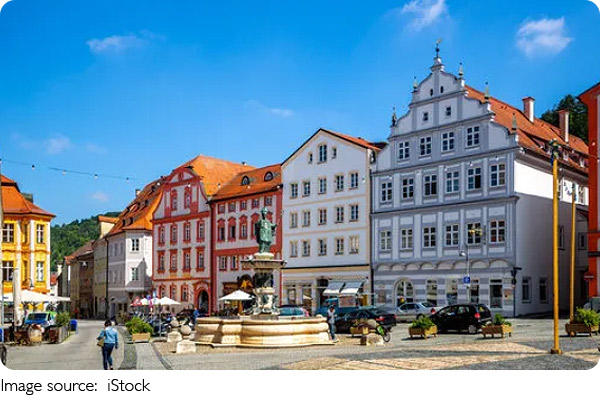
Start in Munich, then head south
Most trips land at Munich Airport, and honestly, that's the right move. Spend a day or two in the city first. Hit the Viktualienmarkt in the morning for fresh pretzels and obatzda, a cheese spread that's far better than it sounds. Then walk over to the Englischer Garten, where locals surf a standing wave in the Eisbach river year-round, even in winter.
From Munich, the Alps are only about an hour and a half by train, so you can base yourself in the city and do day trips, or move south to a smaller town like Garmisch-Partenkirchen. That's what I'd do if I wanted both city energy and mountain air.
Castles are crowded, but worth one visit
Neuschwanstein Castle is the one everyone knows, and yes, it's packed. But you can beat the chaos if you book your ticket online in advance and take the first shuttle up at 8 a.m. The inside tour lasts about 35 minutes and covers just a fraction of the rooms, so don't expect to linger. What makes it special is the view from Marienbrücke, the bridge above the castle, where you see the whole fairytale silhouette against the Alps.
If you want a quieter alternative, head to Linderhof Palace instead, which is smaller, less crowded, and has ornate gardens you can actually wander through without bumping into a tour group.
Munich
Eat like a local, not a tourist
Bavarian food is hearty, and that's the point. You'll eat dumplings and sauerkraut, and you'll love it if you're hungry. But skip the tourist-trap restaurants right by Marienplatz and walk a few blocks instead. Try a traditional local dining hall and order a roasted specialty with a classic local soft drink. It'll cost you around 15 euros, or about 16 dollars, for the meal and drink.
For something lighter, grab a warm snack from any bakery for under 4 dollars, and eat it standing up like everyone else.
Getting around without a car
You don't need to rent a car, and honestly, parking in the old towns is a headache. The train system, run by Deutsche Bahn, is reliable and covers the main routes. A Bayern-Ticket gets you unlimited regional travel for a day, which is a steal at around 30 euros, or 32 dollars, for one person, and it works on buses and trams too.
If you're heading to the Alps, take the Mittenwaldbahn from Munich, a scenic route that winds through the mountains. Just check the schedule for strikes, which happen now and then, and give yourself buffer time.
Plan around the seasons
Summer brings the best weather, but also the most tourists. If you come in July, expect Neuschwanstein to feel like a theme park line. Spring and early fall are the sweet spots, with fewer crowds and still-decent weather. If you're into winter sports, Garmisch-Partenkirchen is your base, with skiing at Zugspitze, Germany's highest peak, and it's less chaotic than the Austrian resorts nearby.
One thing to know: many small restaurants close on Mondays and Tuesdays outside the cities, so check ahead or you'll end up eating at a gas station, which I've done, and it's not great.
One practical tip: carry cash. Plenty of village markets and bakery stalls don't take cards, and ATMs in small towns can be few and far between. Also, learn one phrase, "Zahl bitte," which means "the bill, please," and you'll never awkwardly wave at a waiter again.
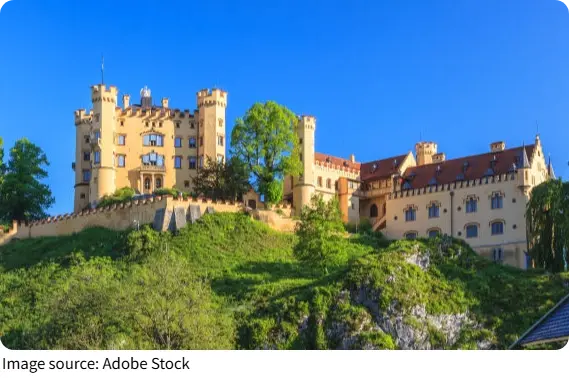
So here's the thing. You don't have to see everything, and you shouldn't try. Pick one castle, one mountain town, and one village market, and just sit with the pace of it. The best Bavaria isn't the one you've seen in photos, it's the one where you take a wrong turn on a hiking trail and end up at a farm stand selling fresh apples. Next time you're planning a trip, remember that the quiet moments are the ones you'll actually talk about later.