Lofoten Islands Guide

Yuna
| 27-08-2026
 · Travel team
Above the Arctic Circle in Norway, the Lofoten Islands are a spectacular archipelago in Nordland County, with Svolvær serving as its largest town and an important gateway for exploring the region.
The islands combine steep mountains, clear fjords, sandy beaches, and traditional fishing communities surrounded by dramatic coastal scenery.
Visitors can enjoy hiking, scenic drives, photography, and coastal exploration while experiencing extraordinary seasonal light. From the Midnight Sun in summer to the Northern Lights during the darker months, Lofoten offers a remarkable nature-focused travel experience.
Lofoten, Norway
Reine and Hamnøy
Reine and Hamnøy showcase the distinctive character of southern Lofoten. Mountains rise sharply behind sheltered waters, creating a dramatic setting around compact waterfront communities.
Reine is a convenient base for exploring nearby attractions, while Hamnøy is especially appealing for its harbor scenery and traditional architecture. Rorbuer, the traditional fishermen’s cabins found throughout the region, have been adapted into visitor accommodation while preserving their characteristic wooden exteriors.
Mountain Hiking
Lofoten offers hiking opportunities for different experience levels. Reinebringen is among the best-known routes, with a constructed stone staircase leading to an elevated viewpoint overlooking Reine and the surrounding fjords.
Ryten provides another memorable route, with broad views toward Kvalvika Beach. Offersøykammen and Mannen are additional options for travelers looking for mountain scenery.
Weather in the mountains can change rapidly. Proper hiking footwear, waterproof layers, warm clothing, water, and suitable supplies are essential. Checking local weather and trail conditions before departure is also recommended.
Northern Lights
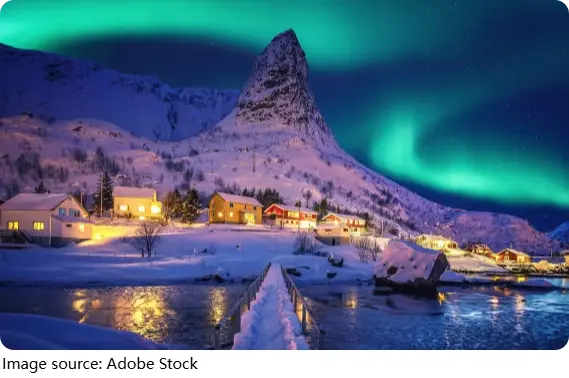
The darker months provide opportunities to see the Northern Lights across Lofoten. Aurora viewing generally becomes possible from around September and continues through March or early April, depending on darkness, cloud cover, and solar activity.
Coastal locations with unobstructed views of the sky can be excellent for photography and observation. Travelers should allow flexibility in their plans because clear skies are an important part of successful aurora viewing.
Summer offers a completely different experience. Around late May to mid-July, the Midnight Sun keeps the landscape illuminated for exceptionally long periods, creating extended opportunities for hiking, photography, and sightseeing.
How to Get There
By Ferry: Ferries and express passenger boats connect Lofoten with nearby coastal destinations. Fares vary by route, passenger type, and vehicle, with shorter passenger journeys often costing around $10–$40.
By Road: The E10 is the principal road through Lofoten and connects many of the main communities. Travelers arriving by car can drive into the archipelago via the mainland road network. Rental cars generally cost approximately $80–$180 per day, depending on vehicle type, season, and availability.
By Bus: Regional buses connect several communities across Lofoten and can be a practical choice for travelers following established routes. Typical fares vary by journey length, with shorter trips often costing approximately $5–$25.
Accommodation
Lofoten offers traditional rorbuer, hotels, guesthouses, hostels, farm stays, and campsites.
Traditional fishing cabins generally cost around $150–$400+ per night, depending on location, season, size, and facilities. Mid-range hotels commonly range from approximately $120–$300 per night, while hostel accommodation can start at around $40–$90 per person.
Camping can be a more economical choice, with established campsites often costing approximately $20–$45 per night, depending on the facilities and season. Travelers should check local camping regulations before choosing a location.
For the best combination of scenery and convenience, staying in or around Reine, Hamnøy, or Svolvær can provide easy access to major attractions and services.
Local Food
Lofoten’s cuisine reflects its coastal setting, with seafood and locally sourced ingredients appearing throughout the region.
A simple café breakfast or light meal generally costs around $12–$25 per person, while a mid-range restaurant meal can cost approximately $30–$70 per person. Coffee and a pastry typically cost around $6–$12.
Travelers looking to manage expenses can shop at local grocery stores and prepare meals in accommodation with kitchen facilities. A basic self-catering food budget can be approximately $25–$45 per person per day, depending on choices and meal plans.
Choosing the Right Season
Summer is ideal for travelers focused on hiking, sightseeing, beaches, and long days beneath the Midnight Sun. The extended daylight makes it possible to explore at flexible hours while enjoying the season’s outdoor opportunities.
Autumn and winter bring darker skies, creating opportunities for Northern Lights viewing. Snow-covered mountains and quieter settlements give the islands a distinctly different atmosphere.
Spring marks the transition toward longer days, changing weather, and renewed outdoor activity. Choosing the season according to preferred experiences can significantly shape the journey.
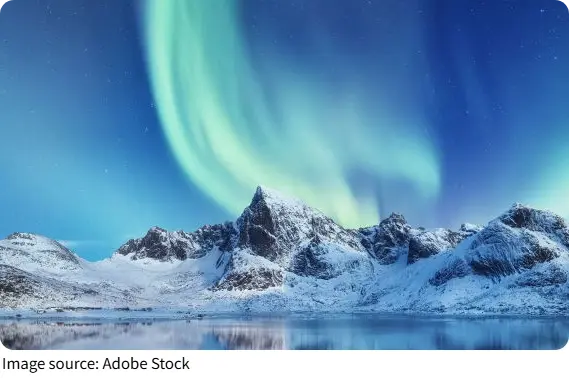
Lofoten brings together dramatic mountain landscapes, historic fishing communities, clear coastal waters, rewarding hiking routes, and extraordinary seasonal light. Its combination of outdoor experiences, distinctive accommodation, regional cuisine, and scenic transportation makes it an appealing destination for travelers seeking a memorable Arctic journey.
Whether exploring Reine and Hamnøy, hiking above the fjords, traveling along the E10, staying in a traditional rorbuer, or experiencing the Midnight Sun and Northern Lights, Lofoten offers an exceptional introduction to northern Norway.