Discover Magical Banaue

Mason O'Donnell
| 01-09-2026
 · Travel team
Hello, Lykkers! Nestled in the mountains of Ifugao in northern Luzon, Philippines, Banaue is famous for its spectacular rice terraces and the centuries-old traditions of the Ifugao people.
These remarkable landscapes are more than beautiful viewpoints—they represent generations of farming knowledge, irrigation techniques, and community life.
From panoramic mountain views to UNESCO-listed terraces and traditional villages, Banaue offers plenty to discover. Here are six places and experiences worth adding to your trip.
Banaue
1. Banaue Viewpoint – Admire the Mountain Terraces
Banaue Viewpoint is one of the easiest places to enjoy panoramic views of the rice terraces surrounding the town. Several viewpoints along the mountain road provide sweeping perspectives over terraces carved into steep slopes and valleys. It is an excellent choice for travelers who want impressive photographs without a demanding trek.
The landscape changes throughout the agricultural cycle, from reflective flooded fields to vibrant green terraces and golden rice near harvest season.
It is important to note that the terraces commonly viewed around Banaue town are not themselves part of the UNESCO World Heritage property. Batad and Bangaan are the two terrace clusters within Banaue municipality included in the UNESCO-listed Rice Terraces of the Philippine Cordilleras.
Estimated Cost:
Public viewpoints generally have no separate admission ticket, although local tourism or environmental fees may apply.
2. Batad Rice Terraces – A UNESCO-Listed Landscape
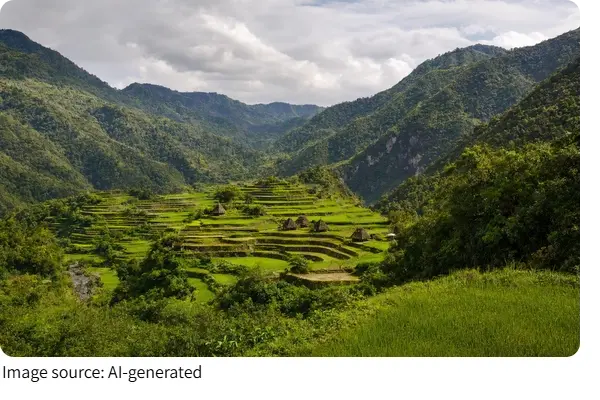
Located in Barangay Batad, the Batad Rice Terraces are among the most spectacular sights in Ifugao. The terraces curve around the village and surrounding mountains, creating the famous amphitheater-like landscape for which Batad is known. Unlike the easily accessible viewpoints around Banaue, exploring Batad requires trekking.
Visitors walk along mountain paths, stone steps, and narrow trails between rice fields. Some sections can be steep or slippery after rain, so comfortable shoes with good grip are essential.
Batad is one of the five terrace clusters included in the UNESCO World Heritage Site known as the Rice Terraces of the Philippine Cordilleras.
Estimated Local Fee:
Around PHP 50–100 per person, depending on current local regulations.
Local Guide:
Approximately PHP 800–1,500, depending on the route and group size.
3. Batad Village – Experience Ifugao Community Life
Surrounded by spectacular terraces, Batad Village provides a closer look at life in an Ifugao mountain community. Some local families operate simple homestays and guesthouses, making it possible to spend the night surrounded by the terraces.
Staying overnight is particularly rewarding for travelers who want to experience Batad when it becomes quieter after day visitors leave. Early morning and late afternoon also provide softer light and beautiful views across the mountains.
Estimated Cost:
There is generally no separate ticket for walking through the village beyond applicable local fees for entering the Batad area. Accommodation is charged separately.
4. Batad Viewpoints – See the Terraces From Above
For a broader perspective, visitors can trek to elevated viewpoints around Batad. From higher ground, the terraces appear as enormous green steps wrapping around the mountains. Reaching them involves steep paths, stone steps, and narrow trails.
First-time visitors should consider hiring a local guide, especially when attempting longer routes or combining several viewpoints. Weather can also affect trail conditions. After heavy rain, paths may become muddy and slippery, making additional caution necessary.
Estimated Cost:
There is generally no separate viewpoint ticket. Local guide services typically cost around PHP 800–1,500 depending on the route and group size.
5. Bangaan Rice Terraces – A Quieter UNESCO Site
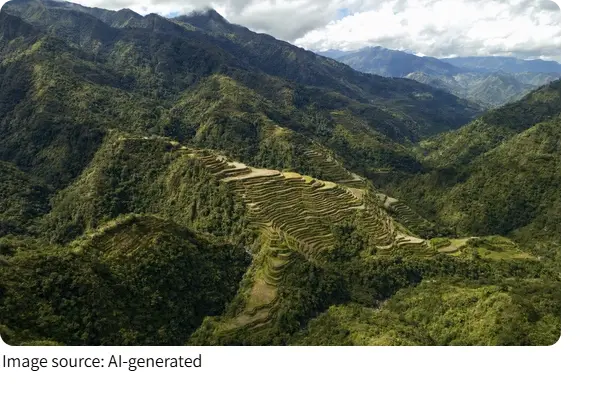
Bangaan is another UNESCO-listed rice terrace cluster within Banaue municipality. Here, beautifully layered terraces surround a small village, offering visitors a striking combination of mountain scenery, traditional agriculture, and Ifugao community life.
Compared with Batad, Bangaan is generally easier to explore and is a good option for travelers who prefer a shorter and less demanding walk. Visitors can enjoy the landscape from the roadside viewing area or descend toward the village for a closer look.
Estimated Cost:
Local fees or community contributions may apply. Because these charges can change, visitors should confirm current rates with the Banaue tourism office before visiting.
6. Walk Through the Terraces – Discover Traditional Farming
Walking along the narrow paths between rice fields is one of the best ways to understand the scale and complexity of Banaue's agricultural landscape. These terraces are not simply tourist attractions. They remain working agricultural landscapes that support local communities. Visitors should therefore stay on appropriate paths, avoid stepping on crops, respect private property, and follow local instructions.
Estimated Cost:
There is no single admission fee covering all rice terraces. Costs vary depending on the location, trekking route, local charges, and whether a guide is hired.
Final Thoughts
Allowing two or three days gives visitors more time to explore the terraces, walk through local communities, and enjoy the mountains without rushing. Bring suitable walking shoes, rain protection, drinking water, and enough cash for local expenses. Most importantly, check current fees and trail conditions locally before setting out. With its dramatic terraces and enduring cultural heritage, Banaue remains one of northern Luzon's most memorable destinations.