Khao Yai Made Easy

Chris Isidore
| 28-08-2026
 · Travel team
Khao Yai National Park is a practical nature escape from Bangkok for travelers who want forest walks, waterfalls, birdwatching, and time outdoors.
It can work as a day trip, but staying overnight makes it easier to explore the park without rushing between transport connections and trail times.
Why Visit Khao Yai
Khao Yai suits travelers who prefer active sightseeing to a packed city schedule. The park has seven nature trails, viewpoints, waterfalls, camping areas, and opportunities to observe birds and other animals in their natural environment. The range of activities means a short visit can focus on one or two highlights, while a longer stay allows time for both hiking and an evening activity.
The waterfalls are among the clearest reasons to plan a visit. Haew Narok Waterfall drops 150 meters, while Haew Suwat Waterfall is 25 meters tall and offers a more relaxed stop by the water. Sai Sorn Reservoir is another useful place to include if you want a quieter viewpoint and a chance to watch the changing light later in the day.
Choose a Route That Fits Your Time
A private car is the most flexible way to move through Khao Yai because there is no regular transport service inside the park. Thanarat Road runs about 50 kilometers through the national park, connecting the Pak Chong side with Prachinburi. You can enter through one gate and leave through the other, or return to your starting point, so decide your route before entering rather than assuming every stop will be quick.
For a day visit, begin early at the entrance, choose a trail or viewpoint, and then continue to one waterfall before the afternoon heat becomes tiring. The trails range from 1.2 to 8 kilometers and take roughly 45 minutes to six hours. Trails 1–5 and 7 can be started between 8 A.M. and 2 P.M., while Trail 6 must be started by 10 A.M.; guides are required for Trails 3–6. These limits make an early start especially important if hiking is your main goal.
Khao Yai National Park
Getting There and Staying Overnight
Travelers without a car can take a bus, minivan, or train from Bangkok to Pak Chong, the main gateway on the Nakhon Ratchasima side. The train journey takes about 3.5 hours and costs approximately US$4–5, making it a low-cost option, but you still need a taxi, local bus, or arranged pickup from Pak Chong to reach the park entrance and continue to the attractions.
An overnight stay is the better choice if you want a full-day tour, several trails, or a night safari. The park is open from 6 A.M. to 6 P.M., while night safaris run for one hour at 7 P.M. and 8 P.M. Booking must be completed at the visitor center before 6 P.M., so arriving late can mean missing the activity. Accommodation is available through park lodges and campsites, and camping equipment can be rented in the park.
Costs, Timing, and Preparation
Budget approximately US$12 for adults foreigner admission to the national park, with vehicle fees charged separately where applicable. If you take the train, the approximately US$4–5 fare covers the Bangkok-to-Pak Chong journey, not the final transfer to the park. Include that local connection in your estimate, or arrange a pickup with your accommodation in advance.
The park remains open year-round, but conditions affect what you should pack and prioritize. The wet months can bring fuller waterfalls and greener vegetation, while the cooler season generally offers clearer skies and comfortable conditions for camping and stargazing. Trails can also involve ticks in drier conditions and leeches during wetter periods, so enclosed walking shoes, long clothing, and insect repellent are sensible additions to your day pack.
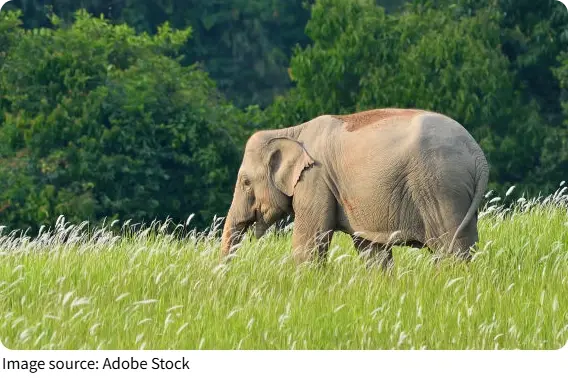
Wildlife encounters require patience and distance rather than a rushed photo stop. If an elephant appears on the road, stop at least 30 meters away, keep noise low, leave the engine running, and do not park to approach it. This is also why a private car or organized tour is more practical than relying on improvised rides between distant attractions.
Final Thoughts
Khao Yai is easiest to enjoy when you match the transport plan to your ambitions: use a car or arranged tour for several stops, and choose an overnight stay if you want hiking plus a night safari. Check trail access, facilities, weather, and current park rules before leaving, then start early so your chosen route remains comfortable and realistic.
The park rewards a measured schedule rather than trying to cover everything in one day. With an early arrival, a confirmed return or overnight plan, and suitable walking gear, you can combine a waterfall, nature trail, and wildlife-focused activity without turning the visit into a race.