How Ships Load Containers

Anika
| 24-08-2026
 · Travel team
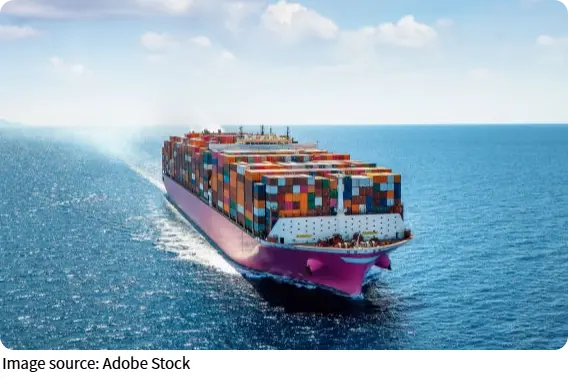
Have you ever watched a massive container ship and wondered how thousands of containers can be arranged with such precision?
From the shore, loading may look like a simple process of lifting containers onto the vessel. In reality, every movement is carefully coordinated to organize cargo, maintain stability, and prepare the ship for its voyage.
Behind those impressive rows are detailed plans, careful inspections, accurate records, and close cooperation between the ship and terminal teams.
Planning Every Container's Position
Before loading begins, the stowage plan determines where each container should be placed. It considers container weight, dimensions, cargo requirements, draft, trim, stability, and the vessel's approved loading limits.
Weight distribution is particularly important. Heavier containers may need to be positioned lower to help maintain an appropriate center of gravity, while the overall arrangement must remain within the vessel's operating limits.
Accurate container weight information also supports effective stowage planning and helps ensure that each unit is assigned to a suitable position.
Coordinating the Loading Operation
Once loading begins, cranes transfer containers between the terminal and the vessel while the duty officer monitors the operation. Each container is directed to its assigned position according to the stowage plan.
The deck crew assists with securing equipment and other tasks around the loading area. Container identification numbers are checked and recorded, while seals and other cargo details are verified when required.
If a container is placed incorrectly, the ship and terminal teams communicate promptly so the position can be corrected before loading continues.
Checking Containers Before Departure
During loading, the crew may identify visible damage, unclear identification, missing seals, or doors that are not properly closed.
When an issue is found, the details are recorded and reported to the appropriate terminal representative. The condition can then be examined and documented before departure.
This creates a clear record that can support later cargo handling and delivery.
Maintaining a Safe Loading Area
A container terminal is a busy environment with cranes, vehicles, moving machinery, and suspended loads. Careful coordination is therefore essential throughout the operation.
Personnel follow established safety procedures and use the required protective equipment. Restricted areas and controlled access help separate people from active machinery, while communication between ship and terminal teams keeps everyone informed.
Safety remains an integral part of every stage of loading.
Securing Containers on Board
After containers reach their assigned positions, they must be properly secured for the voyage. The required arrangement can vary according to a container's size, weight, height, and location on the vessel.
Equipment such as twist-locks and lashing rods is fitted according to the vessel's approved securing procedures. Each component must be correctly positioned and properly engaged.
Containers with unusual dimensions or particular positions may require additional attention. When crew members work at height, appropriate protective measures are followed.
Verifying the Vessel's Stability
After loading is completed, the final cargo condition is checked against the vessel's approved operating limits. The assessment considers weight distribution, draft, trim, and stability.
The final condition can differ from the original plan because of adjustments made during loading. If necessary, cargo positions or ballast distribution may be changed according to the vessel's procedures.
This final verification confirms that the vessel is prepared for its intended voyage.
Completing the Cargo Records
After loading is finished, the required documentation is organized. This may include container lists, loading records, the final stowage plan, cargo information, and records of visible damage.
Accurate documentation provides a clear account of what was loaded and the condition observed during the operation. It also supports coordination during subsequent cargo handling.
Making the Final Inspection
Before the vessel leaves the berth, the deck crew carries out a final inspection of the container securing arrangements. Locking devices, lashing equipment, and other securing components are checked to ensure they are correctly engaged.
The inspection also looks for loose equipment, damaged securing components, or containers that appear incorrectly positioned. Any issue requiring attention is addressed before departure.
The Journey Begins
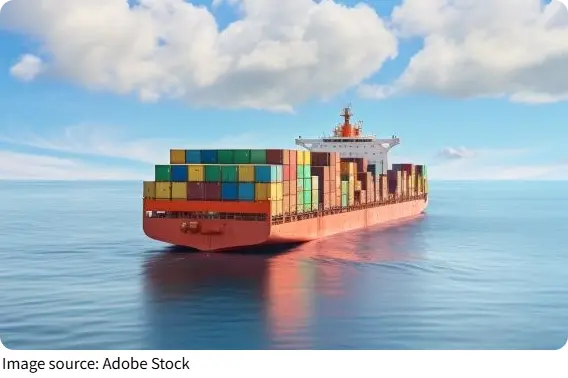
The next time you see a container ship moving through a harbor, its orderly rows of containers may seem simple from a distance. Behind them is a carefully coordinated process involving stowage planning, cargo handling, stability assessment, documentation, and securing.
From assigning each container a position to completing the final inspection, every stage contributes to an organized voyage. For travelers and maritime enthusiasts, understanding this process offers a fascinating glimpse into the work behind modern sea transportation.
A container ship may spend most of its journey quietly crossing the water, but its voyage begins long before departure—with careful planning, precise coordination, and attention to detail.