Grand Teton Guide
Finnegan Flynn
| 09-07-2026
 · Travel team
Hi, Readers! Grand Teton National Park feels like one of those places that quietly stays with you.
Grand Teton’s sharp skyline, reflective lakes, winding roads, and open valleys make every visit unforgettable, and the park layers in scenic pullouts, hikes, wildlife loops, campgrounds, lodges, visitor centers, and easy boat launches for every kind of traveler.
It is a beautiful place to slow down, look around, and let the landscape do the talking.
Getting There
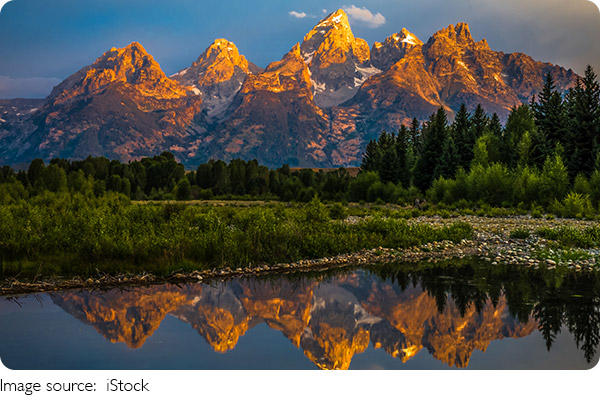
Grand Teton National Park is in northwestern Wyoming, just south of Yellowstone National Park. A common way to reach it is by flying into Jackson Hole Airport, which is located inside the park area and is one of the most convenient options. From the town of Jackson, the drive to Moose, a main park gateway, is about 12 miles and usually takes around 20 to 30 minutes depending on traffic and stops. It’s the only U.S. commercial airport located inside a national park, so you land minutes from the main viewpoints.
Many visitors also arrive by car and use the park’s scenic roads to move between overlooks, trailheads, lakes, and visitor areas. During the main travel season, traffic can be heavy, so giving yourself extra time really helps. There’s no timed-entry system here, but parking at Jenny Lake, Signal Mountain, and Mormon Row often fills by late morning, so build in buffer time.
Grand Teton National Park
Entrance Fees and Hours
The park is open all day, every day, though some roads, visitor services, and facilities are seasonal. Entrance fees listed by the National Park Service include $35 for a private vehicle pass valid for 7 days, $30 for a motorcycle pass, and $20 for each person entering on foot or by bicycle. If you plan to visit more than one national park, the America the Beautiful annual pass at $85 can be a smart choice.
Visitor centers and services operate on seasonal schedules, so it is worth checking current conditions before you go, especially for road access and weather updates. Entrance fees can change over time, so double-check the current rates before you travel.
What To See
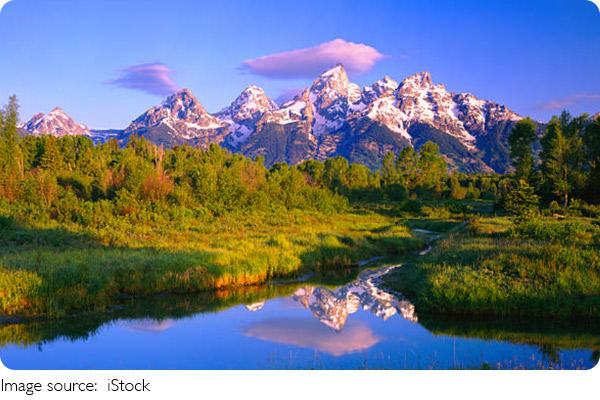
There are several classic places that many travelers love. Jenny Lake is one of the most popular spots, known for mountain views, lakeside walks, boat access, and trail connections. Jackson Lake is larger and great for scenic drives, boating, and broad views of the Teton Range. Mormon Row is well known for its historic barns and iconic photo views.
Signal Mountain offers a high viewpoint that can be reached by road, which makes it a lovely stop if you want a big view without a long hike. Along Teton Park Road and the John D. Rockefeller, Jr. Memorial Parkway area, you will also find overlooks and wildlife viewing opportunities. Dawn and dusk are especially popular for spotting animals from a safe distance.
Where To Stay
The park has a range of lodging and camping options. Lodges, cabins, and cottages are available in several developed areas, and prices vary by season and room type. Most park lodges open reservations about 13 months ahead, and all campgrounds now require advance reservations rather than day-of walk-ins, so book as early as possible. In and around the park, standard lodge rooms often start around $200 to $400 per night, while more premium stays can cost more.
Campgrounds are usually much more affordable, often roughly $40 to $60 per night depending on the site and amenities. Nearby Jackson also has hotels, inns, and vacation rentals across a wide price range, with many stays commonly starting near $150 per night and going upward. Booking early matters a lot, especially in the busiest months.
Helpful Stops and Activities
Visitor centers can make your trip much smoother. Places such as Craig Thomas Discovery and Visitor Center provide maps, exhibits, and current park updates. Hiking is one of the biggest draws, with options ranging from short walks to strenuous backcountry routes. Boating is available on some lakes, and there are marinas and launch areas in certain locations.
Scenic driving is also a huge part of the experience, especially if you want to combine overlooks, picnic areas, short trails, and photography stops in a single day. Weather can change quickly, so layers, water, and a flexible plan are always a good idea.
Grand Teton National Park is the kind of place that welcomes both careful planners and spontaneous wanderers. If you give yourself enough time for the drive, check seasonal hours and fees, and choose just a few key stops that fit your pace, the trip can feel wonderfully easy and rewarding. Bring your curiosity, keep your camera ready, and let the park unfold one viewpoint at a time.