Cala Agulla Done Right

Caleb Ryan
| 08-07-2026
 · Travel team
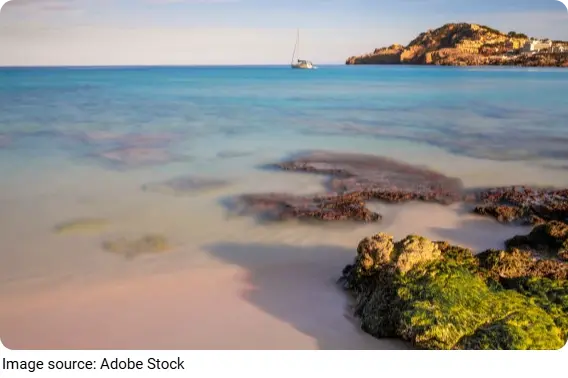
Lykkers, Cala Agulla is one of those beaches that looks simple from above: turquoise water, pale sand, green pine forest, and boats resting across a wide bay.
On the ground, however, the quality of your visit depends on timing and transport. The beach sits near Cala Ratjada in northeastern Mallorca, about 80 km by road from Palma de Mallorca Airport.
For most first-time visitors, the best plan is not a rushed cross-island beach stop. Stay one or two nights around Cala Ratjada, walk to the beach if possible, arrive before 9:30 a.m. in summer, and allow 5 to 7 hours for swimming, lunch, and a short walk toward nearby Cala Moltó. Cala Agulla has visitor facilities and lifeguard service, while its natural setting remains the main attraction.
Cala Agulla
Get There Without Stress
Your first decision is where to sleep and how to reach the beach. Cala Agulla is much easier when you treat northeastern Mallorca as a small travel zone rather than crossing the entire island for a few hours of swimming.
Choose the Right Base
For a Cala Agulla-focused trip, base yourself in Cala Ratjada—the beach is ~1 km from most of the resort (nearby Capdepera is ~3.7 km). Stay within 10–20 minutes on foot of the beach to avoid summer parking headaches.
Palma is not ideal—airport-to-beach is ~79 km, and public transport can take 2+ hours. For a short stay, sleeping in the northeast saves hours of travel.
Simple 2-night plan: arrive Day 1 (easy evening), full beach day Day 2, depart after breakfast Day 3. This gives you one complete day and buffers against late arrival or bad weather.
Think Carefully Before Driving
Parking is no longer reliable—old guides are outdated. The main lot closed in February 2025 (protected area), and replacement capacity remains uncertain in 2026. Don't rely on old ~€5–6 prices.
In July–August, arrive before 9:00 a.m. and follow current signs. Never park on access paths or roadside—even if others do; local warnings forbid it.
Best bet: stay within 20 minutes' walk of the beach. If farther, check parking with your accommodation the day before.
Build the Perfect Beach Day
Once transport is solved, Cala Agulla becomes easy. Your main decisions are arrival time, where to settle, how long to stay, and whether to add Cala Moltó.
Follow This Summer Schedule
In June and September, aim to reach the beach by 9:30 a.m. In July and August, 8:30 to 9:00 a.m. is safer. Visitor reports consistently describe a noticeable increase in people toward midday, especially near the main access and facility area.
A practical day can run like this:
• 8:30 a.m. — arrive and choose your section of the beach.
• 9:00 to 11:00 a.m. — swim, relax, and enjoy the clearest part of the morning.
• 11:00 a.m. — drink water and reapply sun protection.
• 12:30 p.m. — eat lunch or your own packed food.
• 2:00 p.m. — choose another swim or a short walk toward Cala Moltó.
• 3:30 to 4:30 p.m. — leave before turning the day into an exhausting full-afternoon stay.
Allow approximately 6 to 8 hours if Cala Agulla is your main activity. A 2-hour visit is possible, but it makes little sense after a long drive across Mallorca.
Choose Your Beach Section
The main access area is the convenient choice for families and travelers who want facilities close by. Local tourism information lists restaurant service, lifeguard provision, sun loungers, parasols, and water activities.
The tradeoff is crowd pressure. The central area near the main access becomes busier around midday. If your priority is a quieter atmosphere rather than immediate access to services, walk farther along the beach before settling down.
Do not arrive at noon in August and expect the same empty bay shown in aerial photographs. Cala Agulla is popular, and the difference between 9:00 a.m. and 12:30 p.m. can significantly change the experience.
Add Cala Moltó Carefully
Nearby Cala Moltó is roughly 50 m beyond Cala Agulla according to local tourism information, although your actual walking distance depends on where you start from along the main beach. It is a smaller rocky cove and works as a short extension rather than a separate full-day trip.
For most Lykkers, the best sequence is Cala Agulla first and Cala Moltó later. Swim at Cala Agulla during the quieter morning period, eat and rest, then walk toward the smaller cove if the group still has enough energy.
If you are traveling with very young children or carrying several heavy bags, staying at Cala Agulla is the easier choice. Do not add another stop simply because it appears close on a map.
Know Your Real Daily Budget
Cala Agulla has no entry fee—main costs are transport, food, rentals, and accommodation.
For one beach day, budget roughly €15–35 per person if you walk from nearby accommodation and bring some supplies (covers drinks, snacks, a simple meal—restaurant spending may be higher). For two people driving, add fuel and any current legal parking fee—don't rely on outdated parking prices.
Sun lounger + parasol rentals are seasonal and change; older reports mention ~€20 for a set, but check current rates before renting.
Pack: 1.5–2 liters of water per person (more for 6+ hours in heat), hat, sunscreen, towel, swim gear, and a waterproof pouch for valuables.
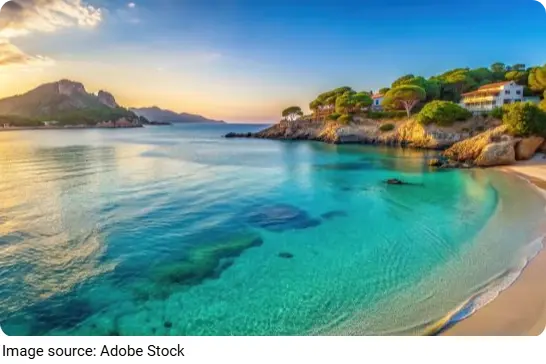
The aerial view may sell the dream, but good timing protects it. At Cala Agulla, one early morning and a simple plan are worth far more than trying to squeeze five different beaches into one day.