Smart Motorcycle Buying

James Carter
| 07-07-2026
 · Automobile team
Choosing the right motorcycle can feel like a daunting task, especially when you're trying to balance quality, features, and price.
You might be eyeing your dream bike, but if it doesn't match your budget or needs, it could end up being more of a burden than a joy.
The key is to find a motorcycle that offers the best value—one that gives you great performance without overpaying for unnecessary extras.
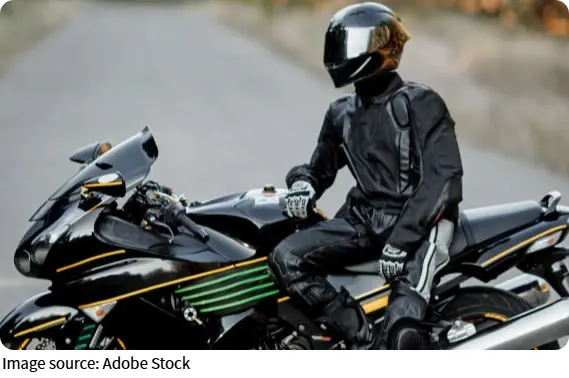
1. Determine Your Riding Needs
Before you even step into a dealership or start scrolling through online listings, think about what you actually need from a motorcycle. Are you planning to use it for daily commuting, long road trips, or weekend fun?
• Commuting
If you're using your bike to commute to work, you'll want something fuel-efficient and comfortable for longer rides. A smaller engine size (around 250cc to 500cc) is ideal for city traffic and can save you money at the pump.
• Weekend Rides
For those weekend adventures, you'll want something with a bit more power and handling. A middleweight bike (500cc to 800cc) will offer more comfort on longer journeys without being too heavy or difficult to maneuver.
• Performance
If you're into performance and thrill, you might lean toward a sportbike or cruiser with a larger engine. Keep in mind that bigger engines often come with higher price tags and more maintenance costs.
Understanding how you'll use the bike will help narrow down your choices and ensure you get something that truly suits your lifestyle.
2. Set Your Budget
It's easy to get excited and want to splurge on the latest model or fancy features. But before you fall in love with a bike, set a realistic budget. Keep in mind not just the purchase price, but also the long-term costs of ownership.
• Initial Purchase Price
It's tempting to go for the flashiest model, but keep your long-term finances in mind. Think about what you can afford without stretching your budget.
• Insurance Costs
Different types of motorcycles have different insurance rates. Sports bikes or high-performance models tend to be more expensive to insure, while more modest bikes like cruisers or touring motorcycles may have lower premiums.
• Maintenance & Repairs
Higher-end models or specialized bikes often come with more expensive maintenance. Consider a bike with a good reputation for reliability and lower maintenance costs over time.
With these costs in mind, you'll have a clearer picture of what your overall financial commitment will look like.
3. Research Reliability and Reviews
It's crucial to choose a motorcycle brand and model known for its reliability. Nothing is worse than buying a bike that ends up spending more time in the shop than on the road. Do some research on the most reliable motorcycles within your price range.
• Brand Reputation
Some brands are known for their solid reputation for quality and durability. For example, brands like Yamaha, Honda, and Kawasaki are often praised for their reliability and longevity.
• Owner Reviews
Dive into online reviews and forums where actual owners share their experiences. Pay attention to recurring issues or standout features that could be deal-breakers for you.
• Warranty
Check the warranty options provided by the manufacturer. A longer warranty period might cost you more upfront but can save you money in the long run if you run into issues.
When you research thoroughly, you'll not only get a bike that performs well but also one that you can count on for the years to come.
4. Evaluate Fuel Efficiency
Fuel efficiency can make a huge difference, especially if you plan to use your bike for commuting or long trips. A motorcycle that sips gas rather than guzzles it will save you a lot over time.
• Small to Mid-Range Bikes
Generally, smaller bikes (under 500cc) are more fuel-efficient, offering around 50-70 miles per gallon. They're perfect for urban commuting and frequent short trips.
• Larger Bikes
Larger engines tend to consume more fuel, especially sportbikes or touring motorcycles. However, they're often designed for long-distance comfort, so the extra fuel consumption may be worth it for frequent long rides.
• Hybrid/Electric Options
While still a relatively small niche, hybrid or electric motorcycles are becoming more available. They offer incredibly low fuel costs and may be a smart investment if you're environmentally conscious.
Fuel economy is a hidden cost that adds up over time. Choose a bike that fits your usage to get the most value in the long run.
5. Test Ride and Comfort
You can read all the reviews and specs, but nothing beats actually riding the bike to see how it feels. A comfortable ride can make a big difference, especially on longer journeys.
• Seat and Handlebar Position
Make sure the seat height and handlebar position are comfortable for you. You don't want to be straining your back or arms on a long ride.
• Suspension and Handling
Take note of how the bike handles different road conditions. Is the suspension too stiff? Does it feel bumpy or smooth when riding over potholes or rough roads? A well-handling bike will make your rides much more enjoyable.
• Bike Weight
A lighter bike is generally easier to handle, especially if you're a beginner. However, if you're experienced and want something more stable on highways, a heavier bike might be more comfortable. Take your time during the test ride. If you feel uncomfortable, don't settle—there's a bike out there that will feel just right for you.
6. Resale Value
While you might not think about selling your bike right away, it's always good to keep resale value in mind. A motorcycle that holds its value over time can give you a higher return if you decide to upgrade in the future.
• Popular Models
Models from well-known brands like Honda and Yamaha tend to retain their value better than obscure, niche brands. Their high demand in the secondhand market ensures you won't lose as much money when it's time to sell.
• Condition and Mileage
The better you maintain your bike, the higher its resale value will be. Bikes with lower mileage and a clean history (no accidents or mechanical issues) will command higher prices.
• Customization
While customizing your bike can be fun, keep in mind that some modifications can hurt resale value. Buyers might prefer a stock bike to one that's been heavily altered.
Thinking about resale value will help you make a smarter investment and ensure you don't lose too much money down the line.
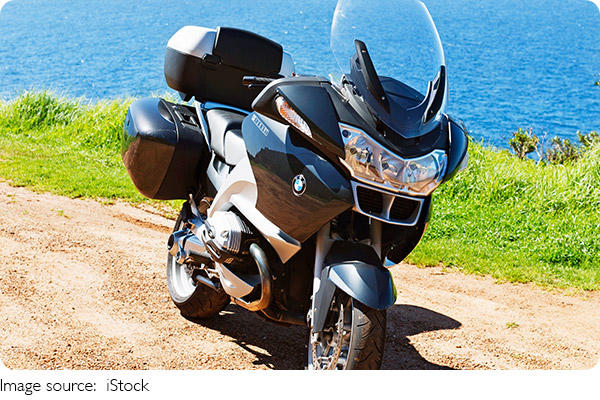
Choosing a high-value motorcycle isn't just about picking the cheapest option—it's about getting the best balance of price, performance, and long-term satisfaction. By carefully considering your needs, budget, and the bike's reliability, you can ensure that your purchase will be one you'll enjoy for years to come.