Train Travel Smarter

Amara
| 08-07-2026
 · Travel team
A train journey offers something that airplanes and highways rarely can: the chance to enjoy the journey as much as the destination.
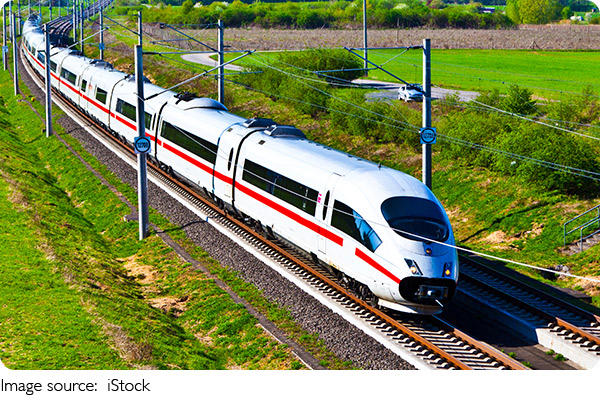
From mountain railways crossing dramatic valleys to high-speed lines connecting vibrant cities, traveling by rail combines comfort, convenience, and unforgettable scenery.
Yet choosing the wrong ticket, traveling at the busiest hours, or packing without a plan can quickly turn a relaxing trip into a stressful one.
Book Smart Before You Board
One of the biggest advantages of train travel is its flexibility, but planning ahead still makes a significant difference.
For long-distance and high-speed routes, booking one to three months in advance often provides the best combination of availability and price. Popular routes during holidays or weekends may sell out several weeks early.
Typical advance booking windows include:
• Many European rail operators: up to 90–120 days
• Japan Shinkansen reserved seats: generally 30 days
• Numerous intercity services: 30–90 days
Flexible regional trains often allow same-day ticket purchases, but advance booking is still worthwhile if you want specific departure times. Traveling Tuesday through Thursday usually means lower fares and fewer passengers compared with Friday evenings and weekend departures, while morning departures between 8:00 and 10:00 strike an excellent balance between comfort and avoiding the busiest commuter periods.
If your journey exceeds three hours, choosing a reserved seat is usually worth the small additional cost—window seats are ideal for scenic routes, while aisle seats provide easier movement during longer trips. Families and groups should reserve seats together whenever possible, especially during school holidays.
Arrive at the station 30 to 45 minutes before departure; although many stations allow quick boarding, larger terminals may require extra time for finding platforms, purchasing food, or navigating unfamiliar layouts. Watching the landscape gradually change through wide train windows creates a completely different travel rhythm—busy cities slowly give way to quiet countryside, rivers wind beside the tracks, and distant mountains appear long before reaching your destination.
Make the Journey Part of the Adventure
Rather than treating train travel as simply transportation, plan your day around the experience itself.
Pack for Easy Access
Keep your most frequently used items in a small day bag rather than your larger suitcase.
Useful essentials include:
• Water bottle.
• Snacks.
• Power bank.
• Headphones.
• Light jacket.
• Reading material.
This saves repeatedly opening overhead luggage during the trip.
Choose Longer Connections Carefully
If changing trains, allow at least:
• 15–20 minutes at smaller stations.
• 30–45 minutes at major international terminals.
Longer connections reduce stress if your first train arrives slightly late and provide time to locate the correct platform.
Know Typical Costs
Prices vary greatly depending on country, route, and booking time.
General examples include:
• Regional trains: approximately €10–40
• High-speed services: often €30–120
• Overnight sleeper trains: generally €80–250, depending on cabin type
Rail passes may offer excellent value if you plan multiple journeys over several consecutive days.
Use Station Facilities Wisely
Major railway stations often provide:
• Left-luggage storage.
• Supermarkets.
• Cafés.
• Waiting lounges.
• Tourist information centers.
Luggage storage typically costs around €5–10 per item for several hours, making it easy to explore a city during longer stopovers without carrying heavy bags.
Avoid Common Travel Mistakes
Many travelers choose the cheapest ticket without checking the conditions.
Before purchasing, confirm:
• Whether seat reservations are included.
• Luggage allowances.
• Refund or exchange policies.
• Transfer requirements.
Another frequent mistake is assuming all trains have food service. While many long-distance trains include cafés or trolley service, regional routes often do not, making it wise to bring snacks and water.
Turn the Ride Into an Experience
Instead of spending the entire journey looking at a phone, take advantage of what trains uniquely offer.
Watch landscapes change naturally outside the window.
• Read a book while passing through mountains or farmland.
• Take short walks through the carriages on longer journeys to stay comfortable.
• Many scenic railways also feature panoramic windows specifically designed for sightseeing, making daylight departures especially worthwhile.
Budget for the Entire Journey
A comfortable train travel day may include:
• Ticket: €30–100
• Meals and refreshments: €15–30
• Station luggage storage if needed: €5–10
Planning these additional costs helps avoid unexpected expenses along the way.
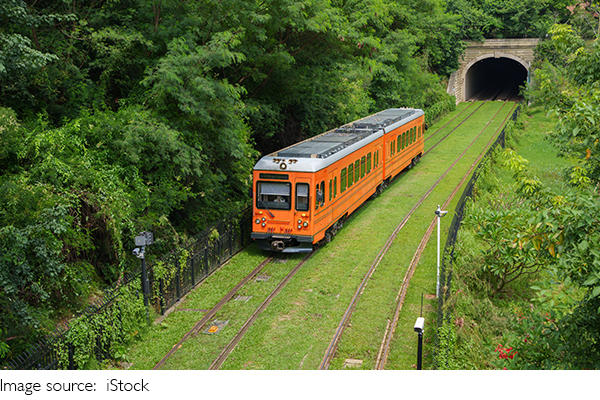
Train travel remains one of the most rewarding ways to explore new places. Booking early, choosing suitable departure times, reserving the right seat, and allowing comfortable transfer times all contribute to a smoother journey. With thoughtful planning, the ride itself becomes an essential part of the travel experience rather than simply the time between destinations.