Classic Car Care Tips!

Mason O'Donnell
| 05-07-2026
 · Automobile team
Hello Lykkers! Owning a classic car is about preserving a piece of automotive history rather than simply maintaining transportation.
Whether the vehicle is a muscle car from the 1960s or a luxury sedan from the 1980s, its originality often determines both its historical significance and market value.
Before replacing parts or making cosmetic upgrades, identify which components are factory-original and which have already been modified. Whenever possible, repair original equipment instead of replacing it with modern alternatives. Items such as carburetors, factory gauges, trim pieces, and period-correct wheels contribute to authenticity.
If replacement becomes unavoidable, source components that match the vehicle's original specifications. Keeping records of every repair, restoration, and replacement also helps document the car's history, which can become valuable during future resale or concours evaluations.
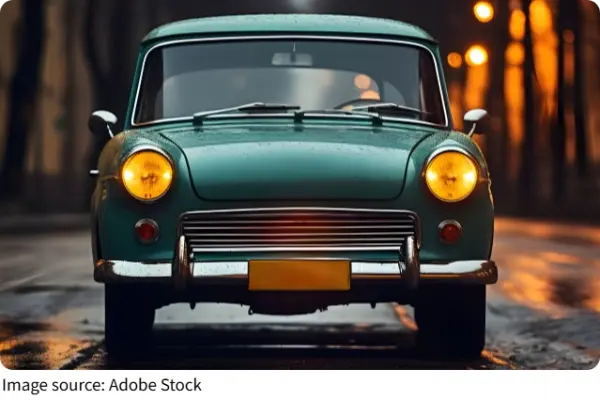
Keep Fluids Fresh, Even When the Car Is Rarely Driven
One of the biggest misconceptions about classic cars is that infrequent use reduces maintenance needs. In reality, fluids deteriorate with time regardless of mileage. Engine oil gradually absorbs moisture and contaminants, while brake fluid attracts water from the atmosphere, increasing the risk of corrosion inside hydraulic components.
Transmission fluid, differential oil, coolant, and power steering fluid should all be inspected according to age rather than distance traveled. Older engines may also require oils formulated with zinc and phosphorus additives (commonly known as ZDDP) to provide adequate protection for flat-tappet camshafts, a design frequently found in vintage vehicles.
Fuel deserves equal attention. Gasoline can degrade within a few months, leaving varnish deposits that clog carburetors, fuel injectors, and fuel lines. If the vehicle will remain parked for an extended period, use a quality fuel stabilizer and fill the tank to minimize internal condensation.
Protect the Electrical System From Hidden Problems
Electrical failures are among the most common reasons classic cars become unreliable. Aging insulation, brittle wiring, corroded terminals, and oxidized ground connections often develop slowly before causing intermittent faults that are difficult to diagnose.
Inspect battery terminals regularly and clean any corrosion before it spreads. Ground straps connecting the engine, chassis, and battery should remain tight because poor grounding frequently causes weak starting, dim lighting, or inaccurate gauge readings.
Fuse boxes, connectors, and switches also deserve periodic inspection. Moisture and oxidation increase electrical resistance, generating heat that can damage wiring. If replacing electrical components, avoid shortcuts that alter the factory wiring layout unless reliability improvements are absolutely necessary and carefully documented.
Prevent Rust Before It Starts
Mechanical components can usually be repaired, but structural corrosion is far more difficult and expensive to reverse.
Rust often begins in hidden locations long before it appears on visible body panels. Regularly inspect wheel arches, floor pans, rocker panels, trunk compartments, door bottoms, and drain channels where moisture tends to accumulate. After driving in rain or washing the vehicle, ensure these drainage points remain clear so trapped water can escape.
Indoor storage offers the best protection, but ventilation is equally important. Excessive humidity inside enclosed garages can accelerate corrosion.
A breathable car cover designed specifically for indoor use helps prevent dust accumulation without trapping moisture against painted surfaces. Applying corrosion inhibitors to vulnerable metal sections provides an additional layer of protection, particularly in regions with coastal air or seasonal road salt.
Exercise the Car Instead of Letting It Sit
Classic vehicles perform better when driven regularly. Extended inactivity allows seals to dry out, lubricants to settle, tires to develop flat spots, and fuel systems to deteriorate.
A monthly drive long enough to bring the engine, transmission, differential, and brakes to full operating temperature helps circulate lubricants throughout the drivetrain. This process also evaporates moisture that naturally forms inside the engine and exhaust system during temperature changes.
Short trips should be avoided because they often fail to warm the engine completely, allowing condensation to remain inside critical components. Consistent operation keeps moving parts lubricated while providing an opportunity to detect developing issues before they become serious mechanical failures.
Pay Attention to Tires, Suspension, and Brakes
Classic cars often accumulate low annual mileage, causing owners to overlook aging rubber components. Tires may appear to have excellent tread depth while becoming unsafe due to age-related hardening and internal deterioration. Most tire manufacturers recommend evaluating replacement based on manufacturing date as well as physical condition.
Suspension bushings, ball joints, steering linkages, and shock absorbers should also receive regular inspection. Rubber naturally loses flexibility over time, reducing ride quality and affecting handling precision. Brake systems deserve particular attention because moisture-contaminated brake fluid promotes corrosion inside master cylinders, wheel cylinders, and calipers.
Store It Properly During Long-Term Downtime
Proper storage can preserve a classic car for months without compromising its condition. Wash and dry the exterior thoroughly before storage to remove contaminants that could damage paint. Clean the interior to discourage mold, insects, and rodents.
Disconnect the battery or use a quality battery maintainer designed for long-term storage. Inflate tires to the recommended pressure and, for extended periods, consider placing the vehicle on jack stands to reduce stress on tires and suspension.
Avoid starting the engine occasionally without driving the vehicle afterward. Brief idling rarely reaches full operating temperature and can actually increase moisture accumulation inside the engine and exhaust system.
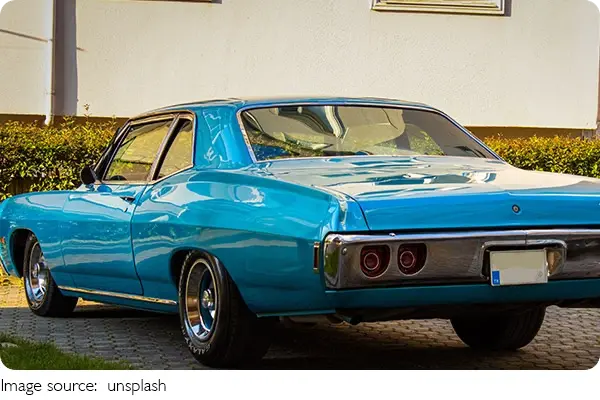
Maintaining a classic car is an ongoing commitment that rewards patience, attention to detail, and respect for automotive heritage. Every routine inspection, timely fluid change, and careful storage decision helps preserve not only the vehicle's mechanical integrity but also the craftsmanship that makes it unique.
Treat your classic automobile as a living piece of history, and it will continue turning heads, inspiring conversations, and delivering unforgettable driving experiences for many years to come.