Motorcycle Repair Trends

Mason O'Donnell
| 03-07-2026
 · Automobile team
Ever watched a rider fix a stubborn carburetor or troubleshoot a tricky electrical issue and wondered how those skills were learned?
Motorcycle repair is no longer just about turning a wrench. The industry is evolving as training programs adapt to new technologies, changing rider needs, and expanding career opportunities.
Understanding these changes helps aspiring mechanics and enthusiasts stay prepared for the future.
Shift Toward Technology-Focused Training
Traditional mechanical skills remain essential, but modern motorcycles now include advanced electronics, sensors, and integrated software systems.
- Diagnostic tools are now widely used in training to help identify issues more efficiently.
- Electric systems are also becoming a core part of education, including battery management, energy recovery systems, and electric motor servicing.
- Software calibration and updates are increasingly important as motorcycles rely more on digital control systems.
Practical tip: Hands-on experience with diagnostic equipment is essential for building confidence in both mechanical and digital repair skills.

Online and Hybrid Learning Options
Digital education is transforming how motorcycle repair skills are taught and learned.
- Video-based learning allows students to study repair procedures step by step at their own pace.
- Virtual simulations help learners practice troubleshooting in a safe, controlled environment.
- Hybrid programs combine online theory with in-person workshops for balanced, real-world training.
Practical tip: The most effective training programs combine both theory and practical hands-on experience.
Focus on Safety and Standards
Safety and professional standards are a key part of modern motorcycle repair training.
- Proper use of protective equipment is emphasized to reduce risk during repair work.
- Environmental responsibility is included, focusing on safe handling of oils, batteries, and other materials.
- Regulatory awareness helps learners understand inspection processes and compliance requirements.
Practical tip: Strong safety habits developed early lead to better long-term professional performance.
Career Development and Specialization
As motorcycles become more advanced, demand for skilled technicians continues to grow.
- Certification programs help learners gain recognized qualifications for career development.
- Specialized training allows focus on areas such as electronic systems, suspension, or fuel systems.
- Exposure to modern motorcycle models builds valuable hands-on industry experience.
Practical tip: Choosing a specialization can significantly improve career opportunities and professional growth.
Soft Skills Development
Modern repair training also emphasizes communication and workplace skills.
- Clear customer communication helps technicians explain repairs in simple terms.
- Problem-solving skills are developed to support accurate diagnosis of complex issues.
- Workshop management skills improve efficiency and organization in professional environments.
Practical tip: Practicing clear explanations of technical work improves both confidence and customer trust.
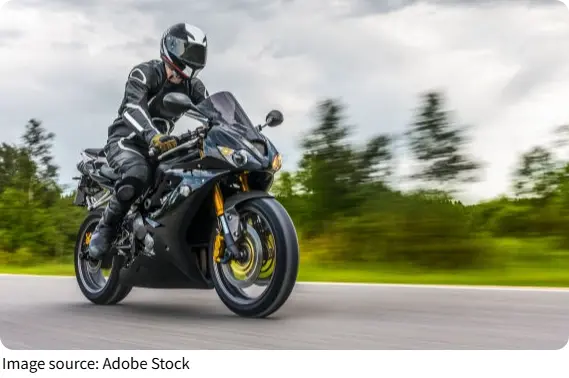
Motorcycle repair training continues to evolve alongside modern vehicle technology. By combining technical knowledge, digital tools, safety awareness, and communication skills, training programs prepare learners for a more advanced and connected future in motorcycle maintenance.