Vehicle-to-Infrastructure

Chandan Singh
| 06-07-2026
 · Automobile team
You're driving through the city, and as you approach an intersection, a red light turns green without you having to wait.
Picture this: You're driving through the city, and as you approach an intersection, a red light turns green without you having to wait. There's no congestion on the road, and the traffic flow seems smoother than ever.
This isn't some futuristic fantasy—it's a potential reality thanks to Vehicle-to-Infrastructure (V2I) communication. This technology allows vehicles to communicate with road infrastructure, such as traffic lights, road signs, and sensors, enabling more efficient traffic management. Let's explore how V2I can revolutionize transportation.
Understanding V2I Communication
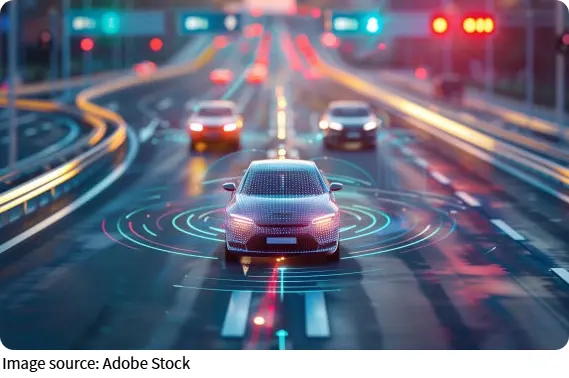
At its core, V2I communication allows vehicles to exchange data with road infrastructure in real-time. It's part of the broader concept of intelligent transportation systems (ITS), designed to improve the flow of traffic, reduce accidents, and make cities smarter.
How V2I Works: Vehicles equipped with communication devices send and receive information from infrastructure elements, such as traffic signals, road sensors, and even parking meters. For instance, a car can communicate with a traffic light to determine when it will change, allowing the driver to adjust their speed accordingly.
The Technology Behind It: V2I communication relies on wireless technologies such as Dedicated Short-Range Communications (DSRC) and 5G networks. These technologies enable fast, secure communication between vehicles and infrastructure, ensuring that data is exchanged quickly and reliably.
Real-World Example: In some cities, V2I systems have been deployed to control traffic light sequences based on real-time traffic conditions. If a certain road is congested, the system can adjust the light cycles to clear the traffic more efficiently. V2I is not just a tool for convenience—it's a game-changer for traffic management.
Reducing Traffic Congestion
One of the most significant benefits of V2I technology is its ability to reduce traffic congestion. By enabling real-time communication between vehicles and traffic infrastructure, V2I helps optimize the flow of traffic, cutting down on the time spent stuck in traffic jams.
Adaptive Traffic Signals: V2I allows traffic signals to be dynamic, adjusting in response to traffic volume. For example, if one lane is consistently more congested, the traffic light can be programmed to give that lane more green time, easing the flow of vehicles.
Faster Response to Incidents: When a road incident occurs, V2I systems can communicate with nearby vehicles to reroute traffic before drivers encounter the blockage. This immediate action prevents bottlenecks and minimizes delays.
Improved Efficiency in Urban Areas: In busy urban areas, where traffic can come to a standstill, V2I technology can optimize routing based on live data. This makes it possible to shift traffic patterns dynamically, minimizing congestion without the need for physical infrastructure changes.
By streamlining traffic management, V2I helps drivers get to their destinations faster, without wasting time idling in traffic.
Enhancing Safety and Reducing Accidents
Safety is a top priority when it comes to transportation. V2I communication enhances road safety by enabling vehicles to communicate with traffic signals and other infrastructure, providing real-time alerts to drivers and reducing the likelihood of accidents.
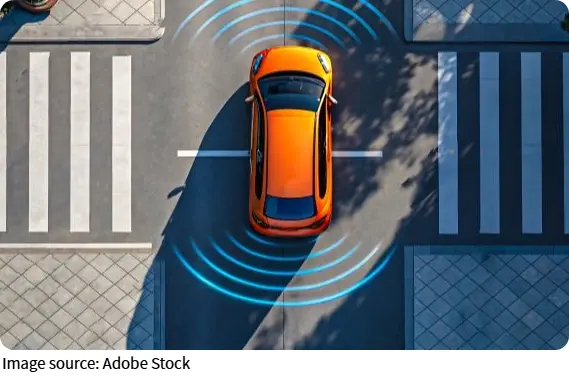
Collision Prevention: V2I technology can alert drivers to potential collisions with other vehicles, pedestrians, or obstacles. For instance, if a car is approaching a red light too quickly, it could receive an alert warning the driver to slow down, preventing accidents.
Hazard Detection: In addition to detecting traffic signals, V2I systems can help identify hazards in the environment, such as icy roads, poor visibility, or roadwork. By sending real-time warnings to vehicles, drivers are better prepared to react safely to changing conditions.
Emergency Vehicle Alerts: V2I systems can also be used to alert drivers when an emergency vehicle, such as an ambulance or fire truck, is approaching. These alerts help drivers make room more quickly, reducing the time it takes for emergency vehicles to reach their destination.
With V2I communication, road safety is improved through constant, real-time interaction between vehicles and infrastructure, ensuring that everyone on the road is better informed and better prepared.
Supporting Autonomous Vehicles
Autonomous vehicles (AVs) are becoming more common, but their successful integration into our transportation networks depends on smart infrastructure. V2I communication can play a critical role in helping AVs navigate more safely and efficiently.
Real-Time Data Sharing: AVs need continuous access to high-quality, real-time data to make informed decisions about their environment. V2I systems can provide data on traffic lights, speed limits, and road conditions, which AVs can use to optimize their routes and ensure safe driving.
Enhanced Decision Making: By integrating V2I technology, autonomous vehicles can make better decisions about when to stop, yield, or proceed, based on real-time interactions with traffic infrastructure. This reduces the chances of human error and improves the overall safety of AVs.
Collaboration with Traditional Vehicles: V2I can also help bridge the gap between autonomous and human-driven vehicles, ensuring that both types of vehicles can coexist safely on the road. By providing real-time updates on traffic flow and road conditions, V2I makes it easier for AVs to adapt to traffic situations that involve human drivers.
V2I communication not only supports the growth of autonomous vehicles but also helps integrate them into existing traffic systems, making the transition smoother.
The Road Ahead for V2I Technology
Vehicle-to-Infrastructure communication holds enormous potential to transform road traffic management. By reducing congestion, enhancing safety, and supporting autonomous vehicles, V2I technology can make our roads more efficient and safer for everyone.
As cities continue to evolve and adopt smarter technologies, V2I will play a crucial role in shaping the future of transportation. The more widespread its adoption, the more connected and efficient our transportation systems will become—allowing us to move through cities with ease and security. It's not just about making the road smoother—it's about making the entire driving experience smarter.