The Art of Safe Events

Sofia Alvarez
| 03-07-2026
 · Automobile team
Ever been at a race or a sports event and felt your heart pound with excitement, while also noticing every precaution around you?
That mix of adrenaline and safety planning is no accident. Organizers spend countless hours ensuring that the spectacle thrills audiences while protecting athletes and fans alike.
Let's explore how events strike that delicate balance.

Designing Courses for Both Challenge and Control
The layout of a track or course plays a huge role in balancing excitement with safety. A winding circuit or tricky obstacle can create drama, but if it's too dangerous, accidents are inevitable.
Key strategies include:
• Placing barriers and runoff areas to catch out-of-control vehicles.
• Adjusting curve angles and slopes to prevent excessive speed in critical sections.
• Using simulation software to test courses before real-world events.
For example, Formula racing circuits often have large gravel traps at the end of high-speed corners. This slows vehicles that lose control without harming drivers, preserving the thrill of the race while reducing risk. Event planners today can use 3D modeling to simulate crashes and optimize course safety before construction or modification.
Implementing Strict Equipment Standards
Safety gear is essential, but it also affects performance and spectacle. Regulations must balance protection with the freedom for athletes to perform at their best.
Key measures include:
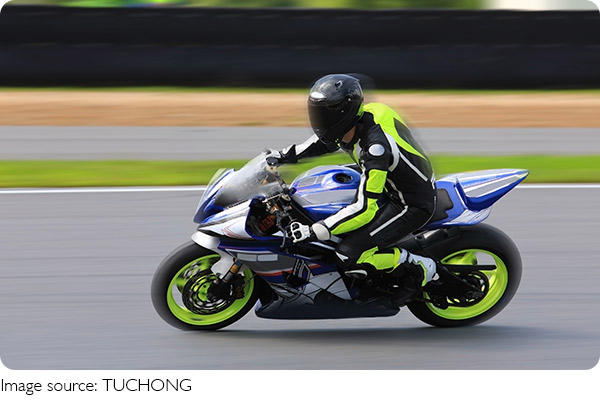
• Requiring helmets, padding, and specialized suits that meet high-impact standards.
• Setting clear technical limits for vehicles or equipment, such as fuel capacity or speed governors.
• Regularly inspecting gear before and during events.
In motocross, for instance, riders wear helmets, chest protectors, and knee braces. This allows them to tackle jumps and sharp turns confidently. Fans still get the thrill of daring stunts, while riders remain protected. Organizers can enhance safety by mandating the latest certified gear, ensuring protection doesn't hinder competitive performance.
Training and Protocols for Participants
Athlete preparation is as crucial as the course itself. Well-trained participants reduce the likelihood of accidents and allow the audience to enjoy high-level performance.
Key approaches include:
• Requiring pre-event training sessions on course conditions and rules.
• Conducting safety briefings to address emergency procedures.
• Simulating high-pressure scenarios to prepare participants for unexpected challenges.
Professionals in radical sport competitions, for instance, often require riders to practice on the event ramps before competing. This familiarizes them with the surface and reduces errors that could lead to injury, without taking away the excitement of innovative tricks during the show.
Emergency Preparedness Without Disrupting the Experience
No event can guarantee zero risk, so emergency response systems are crucial. The challenge is to make them effective without distracting from the spectacle.
Key components include:
• Strategically positioned medical teams and vehicles for rapid response.
• Communication systems linking officials, first responders, and participants.
• Clear evacuation routes and contingency plans for fans and athletes.
Take downhill mountain biking competitions: medics are placed at steep sections and landing zones. They can reach an injured rider within seconds, allowing the rest of the race to continue safely. Modern events also use drones or cameras to monitor risk zones in real time, enhancing rapid intervention without spoiling the visual experience for spectators.
Engaging Fans Safely
A big part of event excitement comes from fan interaction. Organizers must create experiences that immerse audiences without exposing them to hazards.
Key tactics include:
• Setting spectator zones with barriers or safe distances from high-risk areas.
• Using elevated platforms or stands to provide clear views while keeping fans out of harm's way.
• Incorporating digital experiences, like live feeds or augmented reality, to enhance engagement.
For example, rally events often have designated viewing points behind barriers where fans can see the cars race past safely. The thrill remains high, but risk is minimized, giving organizers a win-win solution.
Maintaining the Thrill While Staying Safe
Balancing excitement and safety is an art, not a formula. Every detail—from course design to emergency planning—affects how participants perform and how fans experience the event. Successful events don't eliminate risk entirely, but they manage it intelligently, allowing thrills to shine without compromising safety. When done right, spectators leave buzzing with excitement, knowing that both athletes and fans were protected while the action unfolded.