Azores Crater Lakes

Sophie
| 22-06-2026
 · Travel team
Hi, Readers! The Azores are the kind of place that makes your camera work overtime.
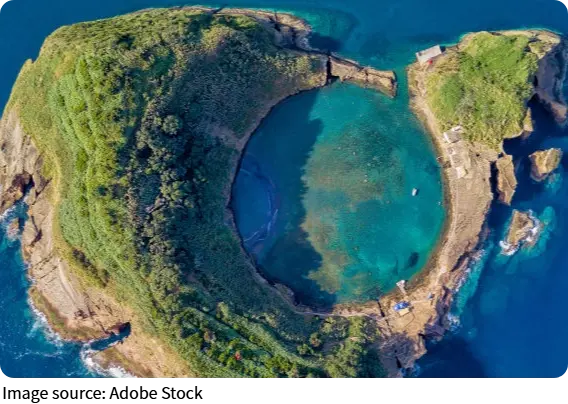
Scattered in the Atlantic, these islands are famous for crater lakes that look like nature spent extra time on the color palette.
The big stars are lakes tucked inside old volcanic calderas, where green slopes, misty ridges, and mirrored water team up like a postcard that forgot to be ordinary.
If you are planning a crater-lake check-in tour, the smartest move is to focus on São Miguel first, then add other islands if time allows.
Where to Start
The most famous stop is Sete Cidades on São Miguel Island. This is the classic crater-lake scene, with twin lakes sitting inside a huge caldera. One often looks blue, the other green, and together they steal the show without even trying. Another strong pick is Lagoa do Fogo, also on São Miguel, known for a more wild and untouched feel.
If you want to branch out, the Azores also have beautiful lagoons and lakes on other islands, each with its own mood, from dramatic cliffs to softer pastoral surroundings.
How to Get There
Most travelers arrive through João Paulo II Airport in Ponta Delgada on São Miguel. From the city center, Sete Cidades is about a 40 to 50 minute drive, while Lagoa do Fogo usually takes about 30 to 40 minutes depending on your viewpoint stop. Renting a car is the easiest option because viewpoints are spread out like confetti on a windy day.
Guided tours are also common and save you from narrow mountain roads and parking puzzles. Public transport exists in limited form, but it is not the smoothest way to build a crater-lake day.
São Miguel
Best Viewpoints and Timing
For Sete Cidades, Vista do Rei is the headline viewpoint and easy to access by car or tour. Boca do Inferno is another favorite, with a higher, wider panorama that feels like the islands are showing off a little. For Lagoa do Fogo, several roadside miradouros offer sweeping views, and some walking trails bring you closer to the water.
Morning often gives you a better shot at clear views, since cloud and fog can roll in quickly. In the Azores, the weather changes its mind faster than a group chat choosing dinner, so keeping your schedule flexible is a very good idea.
Hours, Fees, and Practical Costs
The lakes themselves are natural attractions and generally do not have standard entry fees. Many viewpoints are open-access as public scenic stops. If you choose a managed attraction nearby or a guided day tour, prices vary by operator. A half-day or full-day guided outing on São Miguel often starts around $40 to $100 per person depending on route inclusions.
Rental cars commonly begin around $40 to $90 per day, though prices shift with season and vehicle type. Parking at viewpoints is often free, but spaces can be limited.
Where to Stay
Ponta Delgada is the most practical base, with the widest range of hotels, guesthouses, and apartment stays. Budget rooms often start around $60 to $100 per night, mid-range places usually fall around $100 to $180, and more scenic or upscale stays can go beyond $200.
If you want a quieter base closer to greenery, look at villages around Ribeira Grande or areas near Sete Cidades, where local lodgings can offer a calmer atmosphere and easy access to viewpoints.
Easy Route for a Day Trip
A simple plan is to leave Ponta Delgada early, head first to Sete Cidades viewpoints, then explore the village area and lakeside stops. After lunch, continue toward Lagoa do Fogo for afternoon views if conditions are clear. Bring layers, water, and shoes with good grip, because the ground can be damp and breezy even when the scenery looks calm and friendly. If visibility drops, do not force the plan.
The Azores reward patience, and sometimes waiting a little changes a gray wall into a jaw-dropping panorama.
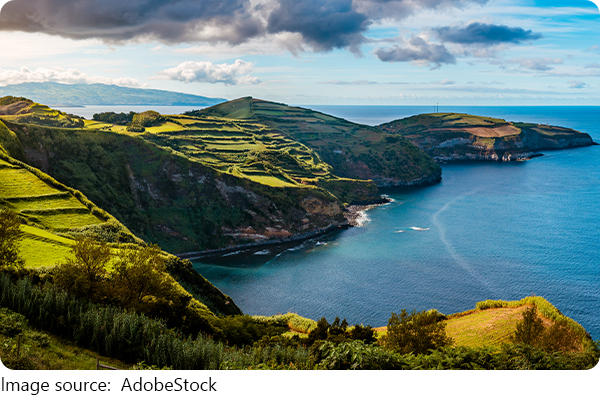
The best Azores crater-lake trip is not about racing through viewpoints like a checklist on legs. It is about giving yourself room to watch the clouds shift, catch the water changing color, and enjoy a place that feels both peaceful and a little theatrical. Pick a solid base, start early, keep your schedule loose, and let the lakes do what they do best: quietly steal the whole show.