Paddle the Palm Route

Finnegan Flynn
| 20-06-2026
 · Travel team
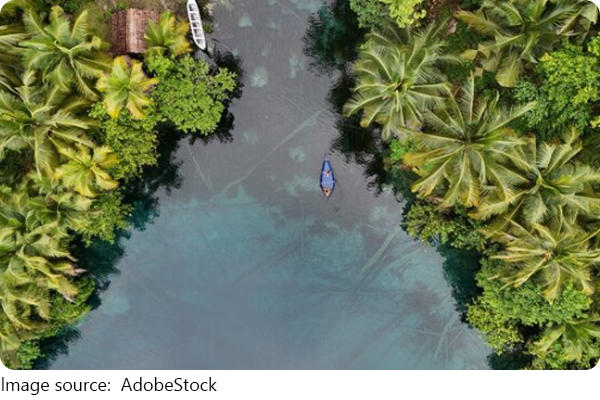
Hi, Readers! If your dream outing looks like calm water, leafy coconut palms, and a boat gliding through a green tunnel, this kind of paddle trip is a lovely way to slip out of city buzz for a while.
The trick is choosing a route that matches your energy, skill level, and how much effort you want to spend getting there. Some waterways feel like a lazy floating garden, while others are more like a maze that asks you to pay attention every minute.
Picking well is the whole game, like choosing between comfy sandals and hiking shoes before leaving home.

What kind of route fits you
Start by deciding what you want from the outing. If you mainly want photos, gentle scenery, and a relaxing ride, go for sheltered waterways with calmer surfaces and shorter loops. These are usually friendlier for first-timers and people who do not want a workout that feels like carrying groceries up too many stairs. If you want more of a nature-focused adventure, look for routes that pass mangroves, narrow channels, and quieter corners where wildlife is easier to spot. Those can feel more secluded, but they also need a little more route awareness and confidence on the water.
How to judge route difficulty
A good hidden-route choice is not just about beauty. It is also about distance, current, and how exposed the water is. Protected canals and narrow water trails are often easier because the water stays steadier. Wider open areas can be lovely, but wind can turn a relaxed paddle into a mini arm workout very quickly. Check whether the route is one-way or a loop, whether there are clear entry and exit points, and whether beginners are welcome. If rental operators offer guided trips, that is often the easiest way to explore a quieter route without feeling like you are solving a puzzle with a paddle.
Best time to go
Early morning is usually the sweet spot. The air feels cooler, the light is softer for photos, and the water is often calmer. Late afternoon can also be pleasant, though it may depend on weather and how busy the area gets. Midday sounds tempting until the heat shows up like an uninvited guest and turns every little movement into extra effort. Before setting out, check local weather, tide conditions if relevant, and any safety notices from operators or park authorities.
Transport and practical planning
For tropical waterway paddle trips, the simplest option is usually booking through a local kayak or boat operator that provides equipment, route guidance, and safety gear. Many launch points can be reached by taxi or ride-hailing service, which is often the most direct choice if the area is tucked away from major stations. Public transport may work for some locations, but expect a longer transfer and a short walk to the jetty or launch area. Travel time depends on where you start, so it is smart to leave buffer time instead of arriving in a rush like someone trying to catch the last elevator.
Fees, hours, and where to stay
Opening hours and launch times vary by operator, and many guided paddle sessions run in morning or late afternoon periods. Prices also vary depending on whether you choose a rental or a guided trip, but guided experiences are commonly priced per person and include gear. If you are planning an overnight stay nearby, look for simple guesthouses, boutique hotels, or nature stays within easy reach of the launch point. Accommodation prices can range widely, so comparing options before booking helps you avoid paying premium rates just because a listing has pretty photos and dramatic plant decor.
How to get the best photos without rushing
If this trip is partly a check-in moment for your album, choose a route with layered scenery instead of only wide-open water. Palm-lined bends, overhanging greenery, and narrow reflective channels usually create the most striking images. Wear light, comfortable clothes, secure your phone in a waterproof pouch, and keep a dry bag for essentials. Most importantly, do not chase every photo spot so hard that the outing becomes a checklist. The nicest hidden routes work their charm slowly, like a good song that gets better the longer it plays.
In short, the best tropical coconut-grove waterway route is the one that matches your comfort level and gives you enough breathing room to actually enjoy it. Pick a calmer path if you want an easy, photo-friendly trip, or choose a more secluded channel if you are after nature and quiet. Plan transport, confirm operator details, check the weather, and let the day unfold at a gentle pace. That way, your little hidden-water adventure feels less like a rushed task and more like the dreamy escape you came for.