Bryce Canyon Guide

Rafael
| 23-06-2026
 · Travel team
Hi, Readers! Bryce Canyon National Park feels like nature got carried away with a giant box of orange crayons and carved a whole amphitheater of rocky spires just to show off.
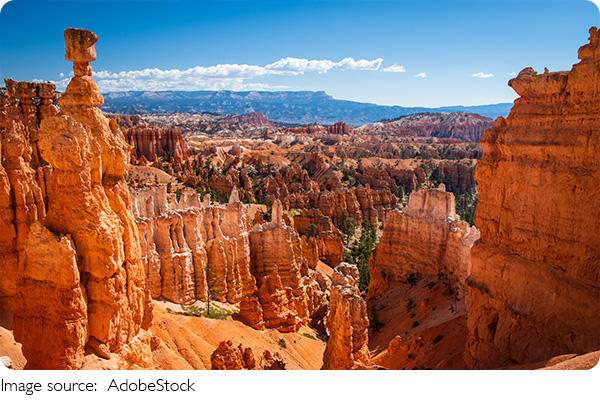
This park in southern Utah is famous for its hoodoos, those tall, twisty rock formations that look like a crowd of stone spectators frozen mid-gasp.
If you want more than a quick roadside peek, a deeper visit means knowing where to go, how to get around, what it costs, and where to rest your head when the sun slips away.
Getting There
Bryce Canyon National Park is reached by car via Utah State Route 63, which connects with Utah State Route 12. The nearest major airports are in Las Vegas and Salt Lake City, and both usually require several hours of driving afterward. From nearby towns such as Bryce Canyon City, the drive is short and simple, while from larger hubs in southern Utah it takes longer but stays very scenic.
Inside the park, the Bryce Canyon Shuttle is a handy option during the shuttle season. It serves Bryce Canyon City, the visitor center, and several popular viewpoints, which helps you skip parking stress that can cling to a trip like glitter on a sweater.
Hours, Fees, and Entry Basics
The park is open all day, every day, and the visitor center is generally open daily except on certain holidays. Entrance fees apply per vehicle, motorcycle, or individual on foot or bicycle. A private vehicle pass costs $35, a motorcycle pass is $30, and entry for a person on foot or bicycle is $20. The pass is valid for seven consecutive days.
If you plan to visit several national parks, the America the Beautiful annual pass may save money. Since services can shift by season, it is smart to check current conditions before heading out.
Best Viewpoints and Scenic Stops
Bryce Canyon’s main scenic drive runs past a lineup of overlooks, each with a slightly different angle on the same grand rocky theater. Sunrise Point, Sunset Point, Inspiration Point, and Bryce Point are the classics, and for good reason. They deliver those sweeping canyon views that make people go oddly quiet for a minute.
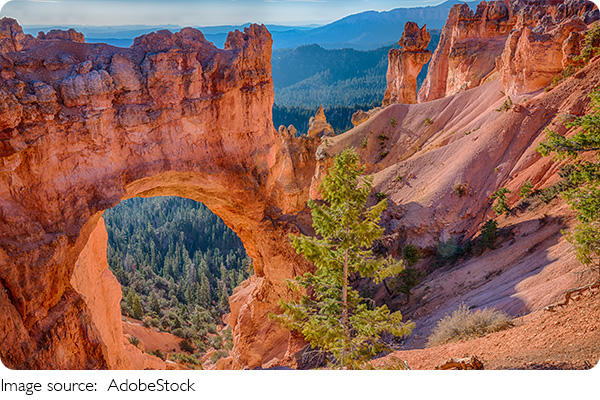
Farther along the road, spots such as Natural Bridge, Farview Point, and Rainbow Point offer wider perspectives and a little more elbow room. If you want to cover a lot without a huge hike, this drive is your best friend.
Bryce Canyon National Park
Trails for a Deeper Visit
For many visitors, the real magic starts when you leave the rim and walk down among the hoodoos. The Navajo Loop Trail is one of the park’s signature routes, especially when combined with the Queen’s Garden Trail. Together, they create a popular loop that lets you descend into the amphitheater and wander among narrow passages and towering formations.
The Rim Trail is easier and gives plenty of drama without the steep climb back up. Hikers should carry water, wear sturdy shoes, and remember that going down feels easy at first, but the climb back can hit like a surprise bill.
Where To Stay
Inside the park, The Lodge at Bryce Canyon is the main in-park accommodation and a convenient choice if you want early access to viewpoints and trails. Room rates vary by season and room type, so checking directly for current prices is the safest move.
Camping is also available at North Campground and Sunset Campground, with fees generally starting around $30 per night for a standard campsite, depending on the site and season. Just outside the park in Bryce Canyon City, you will find hotels, motels, and inns in a range that often starts around $100 per night and goes upward depending on timing and amenities.
How Much Time You Need
A half day covers the headline viewpoints and a short walk, but one full day is better if you want both scenic stops and a proper trail. Two days gives you room to slow down, catch sunrise or sunset, and explore beyond the busiest overlooks.
That extra time makes a big difference because Bryce Canyon changes character through the day as light slides across the rocks and flips the color palette from soft gold to blazing orange. It is like watching the same stage set under different spotlights.
Bryce Canyon National Park rewards visitors who give it more than a rushed glance. With a little planning, you can mix rim views, trail time, shuttle convenience, and a comfortable stay into one very memorable trip. If this park is on your list, go for the deeper version. The hoodoos are not in a hurry, and honestly, neither should you be.