Low Ride Logic

Liam Reilly
| 14-06-2026
 · Automobile team
Hey Lykkers, have you ever noticed how sports cars almost hug the ground when they pass by? It is not just a style choice. It is a carefully designed engineering decision that affects speed, balance, and driving feel.
When we look closer, we realize that the low body design is not random. It connects directly with airflow, stability, and how the vehicle responds at different speeds. Let’s explore why this design matters so much and what it really changes in everyday driving.
Reducing Air Resistance for Smoother Motion
One of the key reasons for a low ride height is to reduce air resistance. When a vehicle sits closer to the road, the air has less space to push underneath it. This helps the car move more smoothly through the air.
With less resistance, energy is used more efficiently, and the vehicle can maintain better speed performance. The shape of the body works together with airflow to reduce drag, especially when driving on open roads or controlled tracks.
In simple terms, a lower structure allows the vehicle to “slice” through the air instead of pushing against it.
Creating Downward Pressure for Better Road Contact
Another important factor is downward pressure. When air flows over a low body, it creates a stronger force that pushes the vehicle closer to the ground.
This improves tire grip and helps the wheels maintain stronger contact with the road surface. As a result, turning becomes more controlled, and the vehicle feels more stable during direction changes.
We can think of it as the car being gently held down by airflow, improving control without adding extra mechanical weight.
Lower Center Position for Stability
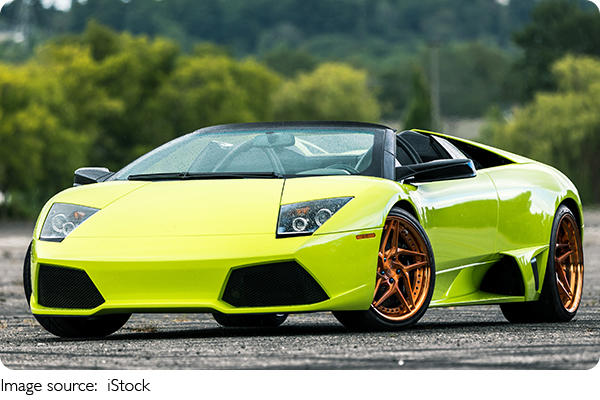
A lower structure also means a lower center position. This is very important for balance. When the center point of mass is closer to the ground, the vehicle becomes less likely to tilt during fast turns.
This design helps improve confidence when navigating curves or sudden direction changes. Instead of leaning heavily, the vehicle stays more level, which improves overall driving precision.
For drivers, this creates a more connected and responsive feeling with the road.
Trade-Offs in Comfort and Road Conditions
While the low design improves performance, it also brings some trade-offs. The suspension system is often set up to be firm, which means road bumps can feel more noticeable.
In addition, the seating position and structure are focused on control rather than long-distance relaxation. This means longer trips may feel more demanding compared to regular passenger vehicles.
The design also requires careful attention to road conditions, as uneven surfaces can be more challenging to handle.
Energy Use and Mechanical Demands
High-output engines are often paired with this type of design to deliver strong performance. However, this also increases energy consumption.
Because of the powerful output, refueling intervals can be shorter compared to everyday vehicles. This is simply part of balancing high performance with practical usage.
It is also important that the correct fuel grade is used to maintain engine efficiency and protect internal components over time.
Value Changes Over Time
Another aspect worth noting is long-term value. Vehicles designed for high performance often experience faster value changes depending on usage and distance traveled.
Higher distance use can influence resale value more significantly compared to standard passenger models. This is due to maintenance expectations and performance-focused engineering.
However, for many enthusiasts, the experience and driving feel remain the main focus rather than long-term value considerations.
Conclusion: A Balance of Speed, Control, and Design
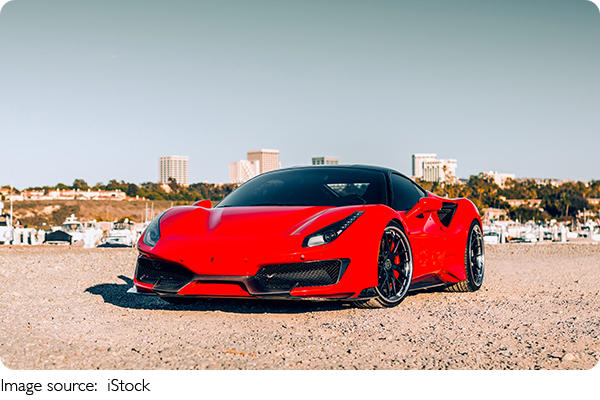
In the end, the low ride design is all about balance. It combines airflow efficiency, stability, and driving precision into one compact structure.
We can see that every detail has a purpose, from how air moves around the body to how the vehicle stays grounded during movement. While there are trade-offs in comfort and long-distance practicality, the design delivers a unique driving experience that prioritizes control and responsiveness.
So Lykkers, next time you see a low vehicle passing by, take a moment to appreciate the engineering behind it. What matters most to you—comfort, design, or driving feel?
Why supercars sit so low to the ground
Video by SCORES