Motorcycle Emergencies

Pardeep Singh
| 12-06-2026
 · Automobile team
Riding a motorcycle is one of the most exhilarating experiences, but it comes with its own set of challenges.
There's always the risk of sudden situations that demand quick reflexes.
Whether it's an unexpected obstacle or a fast-approaching curve, how you handle the bike in an emergency can be the difference between a safe ride and a dangerous situation. Knowing how to brake and turn properly when things go wrong is essential for every rider.

Effective Braking Techniques
Braking on a motorcycle isn't as straightforward as it may seem. A lot of riders think it's just about pulling the lever, but braking effectively, especially in emergency situations, requires precision. Here's how to handle it:
Use Both Brakes Simultaneously: The front brake provides most of the stopping power, but using both brakes together (front and rear) helps maintain balance and control. The front brake is stronger but can cause the bike to pitch forward if used alone too harshly.
Apply Progressive Pressure: Don't slam on the brakes. Start by applying light pressure, and progressively increase it as needed. This avoids locking up the wheels or losing traction, which can lead to a fall.
Don't Panic: When an emergency arises, the last thing you want to do is panic. Stay calm, keep your focus, and brake steadily. A sudden, jerky motion can upset the stability of the bike, especially in wet or slippery conditions.
For example, if you're riding and suddenly a car cuts in front of you, you should instantly apply both brakes. Focus on smooth, progressive pressure to stop without skidding. Practicing this technique regularly can give you more control in high-stress situations.
Emergency Braking on Slippery Surfaces
When roads are wet or slick, emergency braking becomes trickier. Braking too hard can cause your wheels to lock up, which is dangerous on slippery surfaces. Here's what to do:
Brake Lightly: On slippery roads, light, controlled braking is crucial. Applying heavy pressure can cause the tires to skid, reducing your control over the bike.
Release the Brake if You Feel a Skid: If you feel the wheels locking or skidding, immediately release the brake for a moment, then apply gentle pressure again. This will help prevent a full slide.
Stay Relaxed: Try not to overcorrect the bike when braking on a slippery surface. A calm, controlled hand on the brake lever helps maintain balance.
Imagine riding through a rainy intersection and a car suddenly swerves into your lane. Instead of jamming on the brakes, which could lock the wheels and cause you to lose control, you should gently apply pressure, allowing the tires to maintain grip and your bike to stay stable.
Mastering Cornering in Emergencies
Turning can be particularly tricky in an emergency, especially if you're trying to avoid a sudden obstacle. But with the right techniques, you can make quick turns safely.
Look Where You Want to Go: Your body naturally follows your eyes. In an emergency, always look toward the path you want to take, even if it's a sharp swerve. Your body will naturally adjust to where your eyes are focused, guiding you through the turn.
Lean With the Turn: To safely corner at high speed, you need to lean into the turn. It's important not to fight the bike. A smooth, controlled lean will allow you to navigate sharp corners without losing control.
Avoid Abrupt Throttling: Sudden changes in throttle can upset the balance of the bike during a turn. Gently roll off the throttle as you enter the turn and reapply it once you've completed the corner.
For example, if an obstacle suddenly appears in your lane during a sharp turn, don't hesitate to lean into it and look toward the escape route. Avoid slamming the throttle or brakes; instead, maintain a smooth, controlled response to steer around the obstacle.
Handling a Collision Avoidance Scenario
Sometimes, despite your best efforts, a collision seems inevitable. In such situations, how you handle the situation can prevent serious harm.
Plan Your Escape Route: In any potential collision situation, always look for an escape route. Whether it's a gap between vehicles or an open lane, having a clear exit strategy is crucial.
Use the Brakes, But Keep the Bike Stable: If you can't swerve around an obstacle, apply the brakes, but also stay focused on keeping the bike upright. Locking up the brakes can cause a skid, so always keep the bike balanced.
Prepare for Impact: If a collision is unavoidable, make sure you have proper protective gear in place. Keep your body relaxed and prepare for impact, which can reduce the severity of injury.
A real-life example could be riding on a busy street when a car suddenly turns into your lane. The first step is to immediately assess your surroundings and look for an exit, like a gap between cars or a side street. If you can't avoid the collision, focus on using your brakes to slow down while keeping the bike stable.
Practicing Defensive Riding
The best way to handle sudden situations is to avoid them altogether. Defensive riding focuses on anticipating potential hazards before they happen. Here's how you can prepare:
Keep a Safe Distance: Always maintain a safe distance from other vehicles, especially in heavy traffic. This gives you time to react if something unexpected happens.
Constantly Scan the Road: Be aware of everything around you. Look ahead and scan for potential hazards like road debris, potholes, or drivers who might not see you.
Use Your Horn and Signals: Be proactive in communicating with other road users. A quick tap of the horn or a clear hand signal can alert drivers to your presence, reducing the chances of a surprise encounter.
When riding in heavy traffic, ensure there's enough space between you and the vehicle in front to react if needed. If you notice an obstacle ahead, position yourself to avoid it well before reaching it.
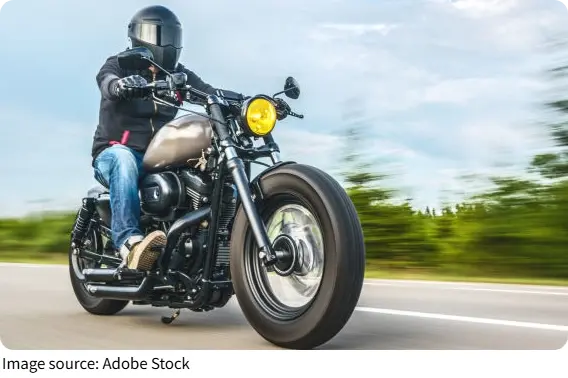
Dealing with sudden situations on a motorcycle requires skill, focus, and confidence. By mastering proper braking techniques, practicing cornering, and adopting defensive riding habits, you can respond to emergencies more effectively and reduce your risk on the road.
Remember, the key is preparation—whether it's practicing braking on slippery surfaces or learning how to handle a sharp turn, every technique adds another layer of safety to your ride.