Sustainable Transportation

Nolan O'Connor
| 12-06-2026
 · Automobile team
Cities around the world are facing an increasing challenge: congestion.
With more cars on the road than ever, urban areas are becoming gridlocked, leading to increased pollution, longer commutes, and overall frustration.
So, what if there was a way to reduce congestion while promoting sustainability? Motorcycle-sharing systems might be the answer.
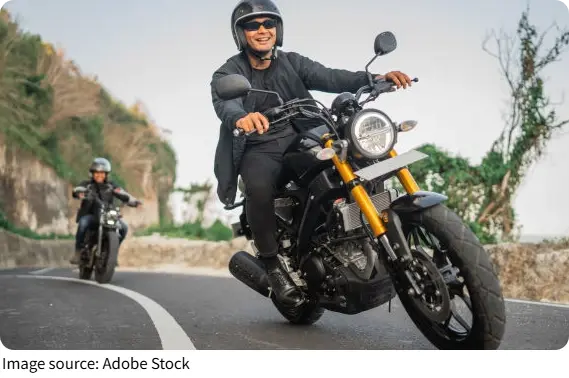
Why Motorcycle Sharing?
Motorcycle-sharing systems, often powered by mobile apps, allow users to rent motorcycles for short-term use, providing an alternative to personal car ownership. This model is becoming an essential part of urban mobility, especially in crowded cities where traffic jams are a daily struggle.
Motorcycles are a more space-efficient option compared to cars. They can easily navigate through tight spaces, reducing traffic congestion. With a bike-sharing system, fewer cars are needed on the road, which means reduced air pollution and a smoother, faster commute for everyone.
Environmental Benefits
The environmental impact of motorcycle-sharing systems cannot be overstated. These systems are usually designed with eco-friendly motorcycles that emit fewer pollutants than traditional vehicles. Here's how they help:
Reduced Carbon Emissions: Motorcycles generally consume less fuel than cars, and electric models are even more environmentally friendly. By encouraging the use of these vehicles, cities can cut down on their overall carbon footprint.
Less Traffic Congestion: With fewer cars on the road, traffic moves more smoothly, leading to lower emissions from idling vehicles. This helps reduce the overall air pollution in urban areas.
Sustainable Transport Option: Motorcycle-sharing provides an efficient alternative for short trips, which are typically the least fuel-efficient. By offering this service, cities help promote sustainable transport choices.
Accessibility and Convenience
Motorcycle-sharing systems also make transportation more accessible to people who may not have access to a private vehicle. Here's why:
Affordable Transportation: Renting a motorcycle for a short trip is often much cheaper than owning a car, especially when factoring in maintenance and insurance costs.
Quick and Easy: Motorcycles are nimble and can bypass traffic, meaning users can reach their destinations faster than if they were driving a car or even taking public transit.
Wide Availability: Many motorcycle-sharing services have stations placed conveniently throughout urban areas, allowing easy access to vehicles at any time.
For example, in several cities in Europe, local government partnerships with motorcycle-sharing platforms have expanded these services to residential neighborhoods, making them accessible to people who need a quick ride for errands or commuting.
Reducing the Need for Car Ownership
As cities continue to encourage sustainable practices, motorcycle-sharing systems provide a great incentive for people to rely less on personal cars. Instead of owning a car, residents can rent a motorcycle when needed, significantly cutting down on personal vehicle usage.
Cost-effective for Users: The average cost of owning a car, with insurance, fuel, and parking, is far higher than the cost of a motorcycle-sharing program. For people living in cities with good transportation networks, sharing a motorcycle becomes an attractive alternative.
Less Parking Demand: Fewer cars on the road means less demand for parking spaces. Motorcycle-sharing systems typically require much less space, freeing up valuable land in crowded cities.
Challenges to Consider
While motorcycle-sharing has great potential, there are challenges that need addressing to make it truly sustainable:
Safety Concerns: Safety is always a concern when it comes to motorcycles. To make motorcycle-sharing systems successful, cities must provide safe riding environments and ensure users have proper safety equipment.
Weather Conditions: Bad weather, such as rain or snow, can make motorcycle riding less appealing. Cities can combat this by offering sheltered parking areas or encouraging riders to opt for electric scooters during adverse weather.
Regulation and Infrastructure: For a system to be successful, cities need the right infrastructure in place. This includes designated motorcycle lanes, parking areas, and clear regulations to ensure safety and efficiency.
Real-World Example
In Paris, the city's partnership with a popular motorcycle-sharing service has seen great success. By providing users with an affordable and environmentally friendly way to travel short distances, the program has not only reduced traffic but also boosted the city's overall environmental goals. The city has reported a reduction in car usage, helping reduce both emissions and congestion.
Motorcycle-sharing systems offer a sustainable, efficient, and cost-effective way to navigate the growing issue of urban congestion. They provide an alternative to traditional car use, lowering carbon emissions and making transportation more accessible. As cities continue to explore new ways to make urban environments more sustainable, motorcycle-sharing could play a vital role in creating cleaner, greener cities.