Smart Motorcycle Tech

Finnegan Flynn
| 16-06-2026
 · Automobile team
Modern motorcycles are no longer just mechanical machines. They have evolved into systems that combine electronics, sensors, and precision engineering to improve overall performance and safety.
These technologies are designed to improve safety, enhance control, and make riding more efficient in different road conditions.
Electronic Control Systems
One of the biggest changes in motorcycle technology is the use of electronic control units. These systems continuously monitor engine performance and adjust fuel delivery, ignition timing, and power output. This helps the engine run more efficiently and respond better to rider input.
Modern bikes also use multiple riding modes that adjust throttle response and power delivery depending on road conditions such as wet surfaces, highways, or off-road terrain. This allows riders to adapt the motorcycle’s behavior to different environments.
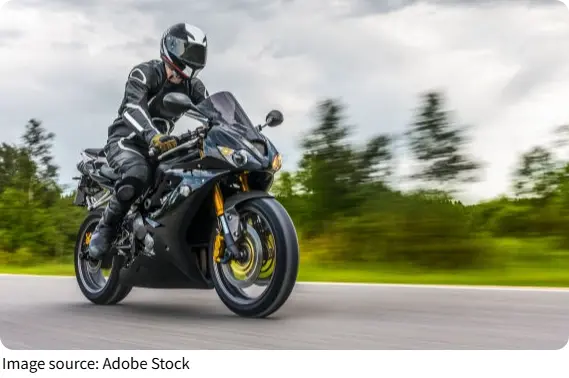
Safety Assistance Technology
Safety systems have become a major part of motorcycle design. Anti-lock braking systems prevent wheel lock during sudden braking, helping maintain stability. Traction control systems reduce wheel spin on slippery roads by adjusting engine power automatically.
Some motorcycles also include stability control systems that help manage balance during acceleration and cornering. These technologies work together to reduce the risk of accidents caused by loss of control.
Suspension and Ride Adaptation
Advanced suspension systems now adjust automatically based on road conditions and riding style. Sensors detect changes in terrain and modify damping levels to improve comfort and grip. This allows riders to maintain stability even on uneven or rough surfaces.
Digital Instrument Panels
Traditional analog displays are being replaced by digital dashboards. These screens show real-time data such as speed, fuel levels, gear position, navigation, and system alerts. Some systems also connect to mobile devices, allowing riders to access additional information and diagnostics. This improves rider awareness and convenience.
Lighting and Visibility Systems
Modern lighting systems use energy-efficient technology that improves visibility in different weather conditions. Some bikes feature adaptive lighting that adjusts the beam direction based on steering angle, helping riders see better when turning at night.
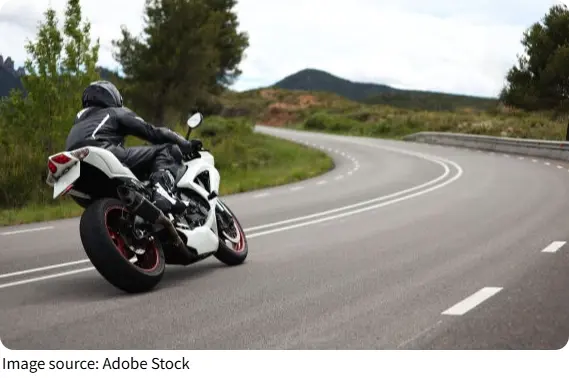
Motorcycle technology has evolved far beyond basic mechanics. Today’s systems combine electronics, safety engineering, and smart adaptation features to create a more controlled and efficient riding experience. As innovation continues, motorcycles are becoming increasingly intelligent machines designed to support both performance and rider safety.