Driverless Freight

Lucas Schneider
| 12-06-2026
 · Automobile team
Imagine a world where freight trucks drive themselves, navigating highways with precision and never needing to rest.
This may sound like something out of a science fiction movie, but in reality, autonomous trucks are transforming the logistics industry.
By integrating artificial intelligence and automation, these self-driving vehicles are dramatically improving delivery speeds and cutting costs for freight companies.
In this article, we'll explore how autonomous freight transport is boosting efficiency and reshaping the future of logistics.
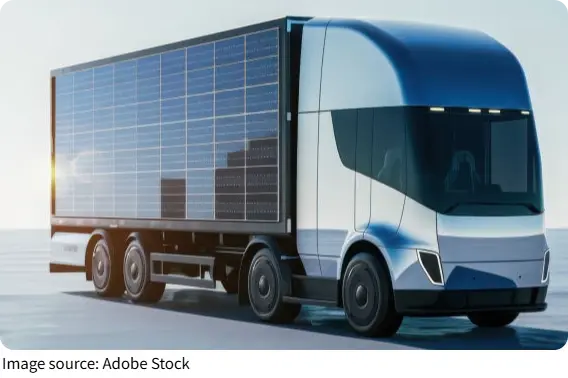
Automating Freight: The Basics
Autonomous freight vehicles, commonly referred to as self-driving trucks, rely on advanced sensors, cameras, radar, and machine learning to navigate the roads safely. These trucks don't need human drivers at the wheel, which allows for more flexible operations and greater efficiency.
Operations: Unlike traditional trucks that require driver shifts and rest breaks, autonomous trucks can operate around the clock. This means goods can be transported more quickly, without the downtime that human drivers face. For example, a self-driving truck could transport goods overnight, delivering them by morning with minimal delays.
Reducing Human Error: One of the biggest causes of accidents in freight transportation is human error. Self-driving trucks eliminate this risk by relying on AI that can monitor the road and react faster than any human driver. These systems are also constantly improving through machine learning, adapting to new traffic patterns and conditions.
If you're in logistics, consider investing in autonomous vehicle trials to gauge how these systems can fit into your existing operations. Many companies are already seeing cost savings from reduced fuel consumption and more efficient delivery routes.
Speeding Up Deliveries with AI
Automation isn't just about taking the driver out of the equation. AI plays a significant role in enhancing the speed and efficiency of autonomous freight trucks. By analyzing vast amounts of data in real time, AI optimizes everything from route planning to fuel consumption.
Optimal Route Planning: AI-powered trucks can analyze traffic patterns, weather, and road conditions to choose the fastest and safest routes. For instance, if an accident causes a delay on a main highway, the system can instantly reroute to a less congested path, ensuring timely deliveries.
Improved Fuel Efficiency: AI systems can also adjust driving speed and patterns for maximum fuel efficiency. For example, autonomous trucks can maintain steady speeds, avoiding rapid acceleration or braking that wastes fuel and increases wear and tear on the vehicle.
For companies managing large fleets, integrating AI-powered software for route optimization could save significant time and reduce fuel costs. It's a simple step toward improving operational efficiency and cutting transportation expenses.
Cutting Costs with Automation
When you remove the need for human drivers, you're not just saving on wages—you're also reducing overhead costs associated with driver training, benefits, and turnover. This is a major win for freight companies looking to optimize their bottom line.
Lower Labor Costs: Autonomous freight trucks eliminate the need for long-haul drivers, whose wages can be a significant expense for companies. While there's an upfront investment in technology, the long-term savings from reduced labor costs are undeniable.
Fewer Maintenance Issues: Self-driving trucks are designed to operate more efficiently than human-driven trucks. With AI monitoring the health of the vehicle in real time, it can predict when a part might need maintenance, preventing costly breakdowns and unscheduled downtime.
For logistics companies looking to maximize profits, adopting autonomous trucks can lead to lower operational costs over time. Research different models and consider the long-term return on investment when planning upgrades.
The Challenges Ahead for Autonomous Freight
While autonomous trucks offer a clear path to faster, more cost-effective logistics, there are still challenges to overcome before they can fully dominate the industry. From regulatory hurdles to public skepticism, there are several factors to consider.
Regulation and Safety Standards: Autonomous freight vehicles must comply with strict safety regulations, which can vary from region to region. Governments will need to create clear guidelines on how these vehicles can operate safely, ensuring that all aspects of the technology meet industry standards.
Public Perception and Trust: While many companies are excited about the potential of self-driving trucks, the public remains cautious. Safety concerns, especially regarding the technology's ability to react in emergency situations, could slow down widespread adoption.
Stay informed on the evolving regulations and safety standards for autonomous freight vehicles. Participating in public discussions and sharing positive trial results could help build trust in this innovative technology.
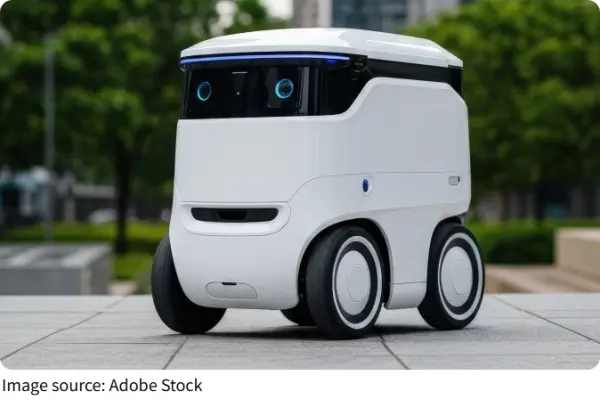
Autonomous freight vehicles are poised to transform logistics, driving down costs and speeding up deliveries like never before. By leveraging AI and automation, these trucks can operate more efficiently, predict the best routes, and eliminate human error—making them a powerful tool in the freight industry's future.
As technology continues to advance, the potential for faster, more cost-effective deliveries grows, making this an exciting time for anyone in logistics.