Why Rabbits Change Color

Pankaj Singh
| 11-06-2026
 · Animal team
Good day, Friends! Have you ever looked at a rabbit you see every day and suddenly wondered if it was a different animal? A rabbit that appeared charcoal gray in spring may look almost black by autumn.
A rich chocolate-colored coat can fade into a rusty brown after months in the sun. These changes often surprise owners, especially when they happen gradually enough to go unnoticed until old photographs reveal the difference.
The good news is that color changes in rabbits are usually a normal part of life. Rather than indicating a problem, shifting fur tones often reflect a fascinating combination of genetics, seasonal adaptation, age, and environmental influences. Understanding what is happening beneath the surface of a rabbit's coat can help owners distinguish natural transformations from signs that deserve closer attention.
The Hidden Complexity of Rabbit Fur
Rabbit coats are far more intricate than they appear at first glance. Individual hairs are not always a single color from root to tip. In many breeds, each strand contains multiple pigment bands that create depth and variation throughout the coat.
The final appearance of a rabbit's fur is determined by a network of genes controlling pigment production, pigment placement, and hair structure. Two rabbits that seem similar in color may carry entirely different genetic combinations, which helps explain why some coats remain stable while others shift dramatically over time. Certain coat patterns are particularly prone to visual changes. Rabbits with agouti coloration are among the best examples. Their hairs contain alternating light and dark bands, meaning even slight differences in coat growth can alter the overall appearance of the animal.
Molting: Nature's Fur Replacement System
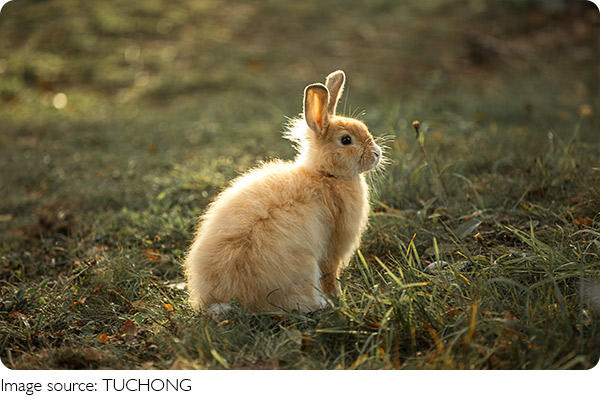
One of the most common reasons rabbits appear to change color is the molting process. As rabbits shed old fur and replace it with new growth, the incoming coat may differ slightly in shade, texture, or brightness. During heavy molts, owners often notice patches of old and new fur existing side by side, creating unusual patterns across the body.
Young rabbits often experience especially dramatic transformations. Their first mature coat can look very different from the soft fur they had as babies. A rabbit that starts life with a muted gray coat may develop a much darker appearance once its juvenile fur is replaced by a new layer. Because molting occurs in stages rather than all at once, temporary color variations may appear uneven or patchy until the process is complete.
Why Seasons Affect Fur Color
Wild rabbits evolved to survive changing weather conditions, and domestic rabbits still retain some of these biological responses. As temperatures drop, many rabbits grow denser winter coats. This new fur can reflect light differently, causing the rabbit to appear darker, lighter, or richer in color. During warmer months, thinner summer coats often reveal a different tone.
Sun exposure can create another noticeable effect. Dark-coated rabbits that spend significant time outdoors may develop a reddish or bronze tint. This happens because ultraviolet light gradually breaks down pigments in the fur, much like sunlight can lighten human hair. Black rabbits are particularly known for developing warm brown highlights after extended exposure to direct sunlight. Although the color shift can seem dramatic, it is generally harmless.
Temperature-Sensitive Coloration
Some rabbits possess one of the most remarkable coat-color traits found in mammals. Breeds carrying Himalayan-type coloration have genes that react to temperature. Pigment develops more strongly in cooler areas of the body, such as the ears, nose, feet, and tail. When temperatures fall, these darker markings often become more pronounced. During warmer periods, they may lighten noticeably.
This phenomenon occurs because the enzyme responsible for producing pigment functions more efficiently in cooler conditions. As a result, the rabbit's appearance can fluctuate throughout the year without any change to its underlying genetics.
How Aging Influences Coat Appearance
Color changes do not stop once a rabbit is fully grown. As rabbits age, their pigment-producing cells may become less active. This can lead to subtle fading around the face, paws, or other areas of the body. Some older rabbits develop lighter patches that resemble the graying process seen in many mammals.
Hormonal changes can also influence fur characteristics. Breeding females occasionally experience temporary shifts in coat quality and coloration during pregnancy or after giving birth. While these changes are usually mild, observant owners may notice differences in shine, density, or tone.
When Diet and Health Play a Role
A rabbit's coat serves as a visible reflection of its overall condition. Healthy fur requires adequate protein, fiber, vitamins, and minerals. Rabbits fed a balanced diet centered on high-quality hay, fresh leafy greens, and clean water generally maintain better coat condition than those receiving poor nutrition.
Deficiencies do not typically create dramatic color transformations, but they can contribute to dullness, uneven pigmentation, or a lackluster appearance. Chronic illness may produce similar effects by diverting the body's resources away from fur maintenance. Stress can also influence coat quality. Rabbits experiencing ongoing discomfort, poor housing conditions, or social stress may groom less effectively, causing the coat to appear rougher and less vibrant over time.
Knowing What Is Normal
Most color changes in rabbits are completely natural. Seasonal molts, sunlight exposure, genetic traits, aging, and environmental conditions all contribute to the shifting shades owners observe throughout a rabbit's life.
However, sudden hair loss, skin irritation, bald patches, or drastic changes accompanied by other health symptoms should never be ignored. In those cases, consultation with a rabbit-savvy veterinarian is the safest course of action.
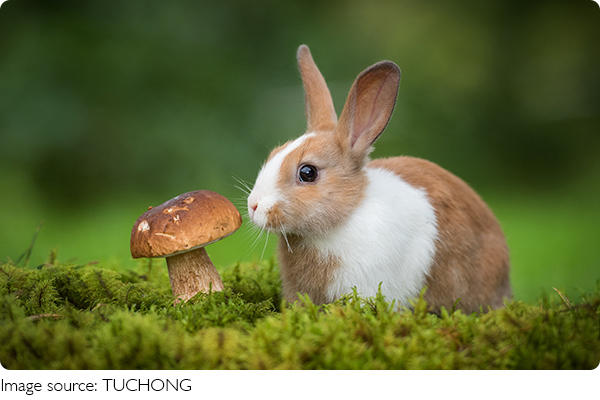
A rabbit's coat tells a story that changes throughout the year. What appears to be a simple color shift often reflects complex biological processes involving genetics, temperature, growth, and adaptation. Paying attention to these subtle transformations can deepen your understanding of your rabbit and help you recognize what is normal for your pet.