Cook Veggies Right

Liam Reilly
| 29-05-2026
 · Cate team
Most people toss their vegetables into a pan of boiling water and call it a day.
Nothing wrong with that — but a lot of the good stuff, those vitamins and minerals that made you buy the broccoli in the first place, ends up going down the drain with the water.
The method you choose really does matter, and it's not that complicated once you know the basics.
Steaming Beats Boiling Almost Every Time
Steaming is hands down one of the best ways to hold onto nutrients. Fill the bottom of a steamer base with about 5 cm (2 inches) of water, wait for it to come to a full boil, then add your vegetables to the basket. Keep the lid on and don't overcook. For something like broccoli, steam the stems first for 2 minutes, then throw in the florets and leaves for another 4. Brussels sprouts cut into quarters take about 6 minutes. Kale and collard greens do well with just 3 to 5 minutes.
If you do need to boil — say, for spinach or beet greens — keep it to just 1 minute to release the oxalic acid into the water, then discard that liquid. Don't drink it or use it for stock.
Sautéing With Water, Not Oil
Sautéing is another solid option, especially for vegetables like bok choy, cauliflower, asparagus, onions, and mushrooms. The trick here is to skip the oil and use 5 tablespoons of water or broth in a stainless steel pan instead. Once it starts to bubble, add the vegetables, cover, and let them cook. Bok choy goes stems-first for even cooking. Onions take about 7 minutes total with a little extra water added halfway through. Mushrooms need at least a minute of heat to break down a natural compound they contain.
One thing worth knowing about cruciferous vegetables like broccoli, cauliflower, and kale: they contain a compound called sulforaphane that has some impressive health properties. But the enzyme that helps form it gets destroyed by heat. Simple fix — chop them first and let them sit for 40 minutes before cooking. By then, the sulforaphane is already formed and cooking won't affect it. Same goes for garlic and onions, which belong to the allium family. Chop them and wait at least 10 minutes before applying heat to preserve their beneficial compounds.
What About Baking?
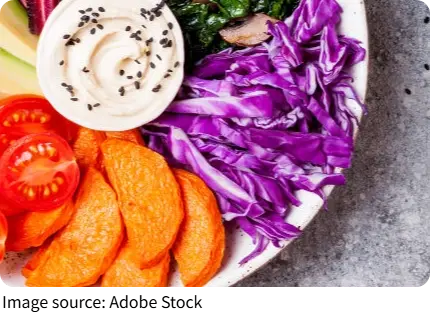
Baking and roasting use higher temperatures, which does break down more vitamins compared to steaming or sautéing. That said, you don't have to avoid it entirely. When you do roast, use a baking sheet lined with parchment paper, skip the oil, and season generously with herbs and spices. The vegetables will be delicious cooked in their own natural juices. The smarter approach is to rotate how you prepare the same vegetable — eat some raw, some steamed, some baked — so you get the full range of nutrients.
Tips That Work Across the Board
A few habits apply no matter which method you use. Keep skins on when possible, since many nutrients sit just beneath the surface. Cut vegetables into larger pieces rather than tiny bits to reduce how much surface area is exposed to heat. Cook them right before eating rather than leaving them sitting in water. And for starchy vegetables like sweet potatoes and potatoes, steam 1.3 cm slices for about 7 minutes, and add a small amount of healthy oil — like a sprinkle of seeds or a splash of coconut milk — to help your body absorb the beta-carotene.
One bonus tip for starchy vegetables: cooked and then cooled potatoes and sweet potatoes develop something called resistant starch, which feeds beneficial gut bacteria and helps with blood sugar stability. They can be reheated gently at low temperatures without losing that benefit.
Getting more out of your vegetables doesn't require any fancy equipment or complicated techniques. A little attention to timing and method goes a long way.