Authentic Pad Thai at Home

Liam Reilly
| 29-05-2026
 · Cate team
Hi, Friends!
If you have ever ordered Pad Thai at a restaurant and thought, "I wish I could make this at home," you are not alone.
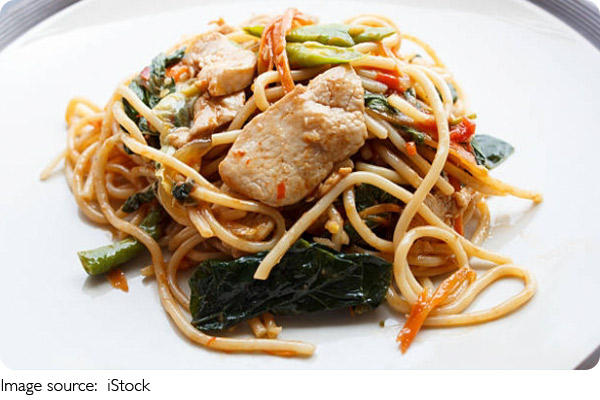
This easy authentic Pad Thai recipe is incredibly quick to prepare and has a perfect balance of sweet, salty, and sour flavors. The good news? You really can nail it at home, and once you do, takeout becomes optional.
What Is Pad Thai, Exactly?
Pad Thai is a popular stir-fried noodle dish from Southeast Asia that originates from Thailand. The term "Pad" refers to the stir frying method and means "fried," while "Thai" simply means Thai. This delicious dish is made of stir-fried rice noodles and eggs tossed in a perfectly balanced sweet, sour, and savory sauce. Although it may seem like an intimidating recipe because of all the complex flavors, this authentic Thai dish is quite easy to make and works best if you make it in small batches.
Ingredients You Will Need
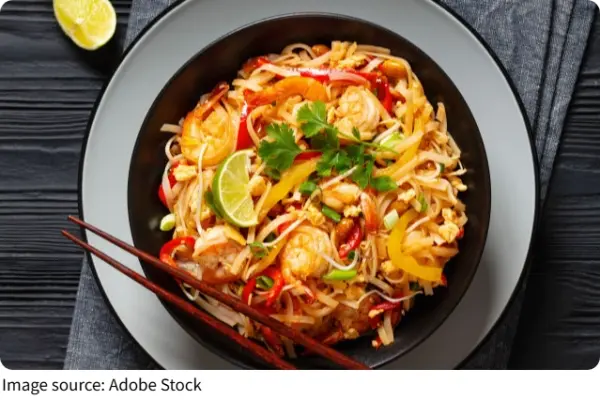
Here is everything you need for one to two servings of authentic Pad Thai:
For the noodles and protein:
- 4 oz (115g) dry flat rice noodles, medium width (about ¼ inch)
- 4 oz chicken fillet or shrimp, or firm tofu, sliced thin
- 2 large eggs
- 2 tablespoons neutral cooking oil
For the sauce:
- 3 tablespoons tamarind paste (not concentrate)
- 2 tablespoons fish sauce
- 1 tablespoon cane sugar or light brown sugar
- 1 teaspoon palm sugar (optional, for more authentic flavor)
For the stir-fry:
- 2 cloves garlic, minced
- ¼ cup firm tofu, cubed (if not using as main protein)
- ¼ cup dried shrimp, optional but recommended
- 2 tablespoons preserved Thai salted radish, rinsed
- 1 cup fresh bean sprouts
- 2-3 stalks garlic chives or green onions, chopped
- 2 tablespoons roasted peanuts, crushed
For serving:
- Extra bean sprouts
- Lime wedges
- Chili flakes
- Extra crushed peanuts
The Sauce: The Heart of the Dish
Tamarind is the ingredient that is the heart and soul of Pad Thai sauce, giving the sauce the sour flavor that Pad Thai is known for. In Thailand, authentic Pad Thai is never red and never uses ketchup. It uses tamarind paste instead to give this noodle dish its unique sourness. To get the salty flavors, you will need to use fish sauce. Fish sauce is highly recommended over soy sauce as a substitute because soy sauce has a strong flavor that can throw off the balance. For sweetness, cane sugar works well, but you can also use light brown sugar. If you want to keep this recipe authentic, palm sugar is a great option, though keep in mind that palm sugar is not as sweet, so you may need to add more.
Mix all sauce ingredients together in a small bowl and set aside before you start cooking.
Step-by-Step Instructions
Step 1 - Soak the noodles: Place dry rice noodles in a large bowl and cover with room temperature water. Soak for at least 30 to 60 minutes until they are pliable but still firm. Do not over-soak or they will turn mushy in the wok. Drain and set aside.
Step 2 - Prep your sauce: Authentic Pad Thai sauce always contains tamarind concentrate, fish sauce, and palm sugar. Stir all sauce ingredients together until sugar dissolves. Taste and adjust the balance to your preference.
Step 3 - Cook the protein: Heat oil in a wok over high heat. Add your protein of choice and cook through. Push it to the side.
Step 4 - Stir-fry the aromatics: Add garlic and dried shrimp (if using) to the wok. That shrimpy seafood flavor is a true hallmark of a good Pad Thai. Like anchovies, they really meld with all the other flavors in the dish. No overt fishiness, just depth of flavor.
Step 5 - Add noodles and sauce: Add the drained noodles to the wok along with the prepared sauce. Toss continuously to coat every strand. The key to keeping that chewy noodle texture with the delicious sweet, sour, and salty flavors is having the right ratio of noodles to sauce while stir-frying.
Step 6 - Scramble the eggs: Push the noodles to one side and split the eggs into the empty space. Scramble lightly, then fold into the noodles before they set completely.
Step 7 - Finish and garnish: Toss in bean sprouts, garlic chives, and preserved radish. Give everything a final toss, plate immediately, and top with crushed peanuts, chili flakes, and a wedge of lime.
Tips, Substitutions, and Storage
If you cannot find tamarind concentrate, you can make your own by soaking one-third cup of tamarind pulp with half a cup of boiling water for about 20 minutes. Mash the pulp with the water and strain out the seed pods, making sure to push the pulp through the strainer with a spoon.
Make ahead: Prep the Pad Thai sauce and vegetables a day or two in advance. Store the sauce in the fridge and chopped vegetables in separate containers, then stir-fry everything fresh when you are ready to eat.
Garlic chives, also known as Chinese chives, are wider and flatter than regular chives. They have a sweet garlic flavor that is essential to any plate of good Pad Thai. If you cannot find them, green onions make a decent swap, though the flavor will be milder.
Avoid cooking too large a batch at once. Working in small portions keeps the heat high and the noodles from clumping together.
Pad Thai is one of those dishes that genuinely rewards attention to detail. Use the right sauce ingredients, get your wok hot enough, and balance that sweet-sour-salty trio properly, and you will have a plate that rivals anything you have tasted at a restaurant. Give it a try this week, Lykkers, and let us know how your Pad Thai turns out!