Italian Bolognese Pasta

Caroll Alvarado
| 28-05-2026
 · Cate team
Hi, Friends!
If comfort food were a person, it would walk in wearing a red apron, smell like slow-cooked tomatoes, and hand you a steaming bowl of Bolognese pasta without saying a single word.
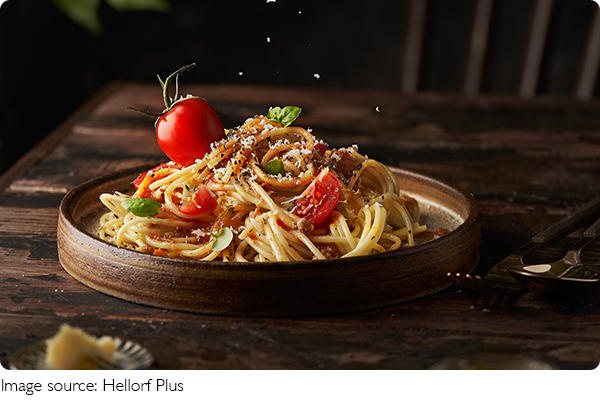
That is exactly the vibe this dish delivers. When it comes to pasta with meat sauce, nothing compares to a traditional Italian Bolognese. Known in Italy as Ragù alla Bolognese, this legendary sauce has its humble origins in Bologna, Italy. Think of it as the grandfather of all pasta sauces, except this grandfather never shows up empty-handed.
What Makes Bolognese Special
Bolognese differs from typical spaghetti sauce with the addition of celery, carrot, and a little bit of milk. While it may sound unusual, these ingredients add a distinct flavor, a bit of richness, and some sweetness. Carrots, along with celery and onion, form the soffritto that helps season the sauce, and the natural sweetness of the carrots contributes to the complex flavor profile. Basically, the vegetables are doing the heavy lifting so your taste buds can take a vacation in Italy.
Ingredients
For the sauce:
- 1 lb (450g) lean ground meat (85% lean recommended)
- 1 medium onion, finely diced
- 2 stalks celery, finely diced
- 2 medium carrots, finely diced
- 3 cloves garlic, minced
- 1 can (28 oz) crushed tomatoes
- 2 tbsp tomato paste
- ½ cup whole milk
- 1 bay leaf
- 1 tsp dried oregano
- ¼ tsp ground nutmeg
- Salt and black pepper to taste
- 2 tbsp olive oil
For the pasta:
- 12 oz (340g) pappardelle or tagliatelle
- Salted water for boiling
- Freshly grated Parmesan cheese, to serve
Step-by-Step Instructions
Heat the olive oil in a large, heavy-bottomed pan over medium heat. Add the onions, celery, carrots, and garlic, and sauté for 10 minutes until the vegetables soften. Do not rush this step. Those vegetables need time to get cozy together before the meat shows up.
Add the ground meat and season with salt and pepper. Break up the ground meat and cook for 5 minutes, until it is browned and crumbled. It is important to salt the meat as soon as it hits the pan, as this draws out the juices and imparts flavor to the Bolognese.
Add the milk and allow it to simmer for 10 minutes, until it has mostly evaporated, stirring occasionally, in order to help tenderize the meat. Yes, milk in a meat sauce sounds wild, but trust the process completely.
Add the crushed tomatoes, tomato paste, bay leaf, oregano, and nutmeg. Mix to combine, bring the mixture to a boil, then simmer on low uncovered for at least 30 minutes, or up to 1 hour. The longer it simmers, the deeper the flavor gets, like a good story that keeps getting better.
Remove from heat and discard the bay leaf. When ready to serve, bring a large pan of salted water to a boil. Cook the pasta and add to individual bowls. Toss the hot pasta with the sauce and serve with freshly grated Parmigiano-Reggiano cheese on the side.
Best Pasta Shape to Use
Bolognese is traditionally served with tagliatelle or other flat ribbon pastas, like pappardelle or tripoline. It also works beautifully with tube pasta like penne or rigatoni. The meat sauce gets gloriously stuck in the pasta when tossed, which is exactly what you want.
Tips, Substitutions, and Storage
For the meat, lean ground meat at ideally 85% lean is recommended to ensure the sauce is not greasy. To obtain the best Bolognese sauce, it is preferable to use tomato puree or passata. It is advised never to use canned peeled tomatoes or fresh tomatoes because they release a lot of water during cooking and would affect the intense flavor and consistency.
Use a food processor to finely chop the carrots, onions, and celery. This will make your sauce smoother and look less like a stew. Use a heavy pan that will retain heat, like a Dutch oven. Avoid using cast iron, as the acid can interact with the metal and affect the sauce color.
It is best to freeze the Bolognese sauce without the pasta. The sauce will last up to 3 months in the freezer. Thaw it in the refrigerator before reheating and adding pasta. Bolognese actually tastes better after being cooked, chilled, and reheated, because it allows flavors to fully infuse into the meat, creating a deeper, more balanced taste.
There you have it, Lykkers, a bowl of pure Italian soul that requires nothing more than a little patience, a good pan, and the willingness to let that sauce simmer low and slow. Make a big batch, freeze half, and you will be thanking yourself on every busy weeknight that follows. Give this recipe a try and let that first forkful do all the talking!