Plant Milk Nutrition Guide

Kwame Johnson
| 28-05-2026
 · Cate team
Hi, Friends!
If you have ever stood in the dairy aisle staring at a wall of oat milk, almond milk, soy milk, and a dozen other cartons wondering which one is actually good for you, you are definitely not alone.
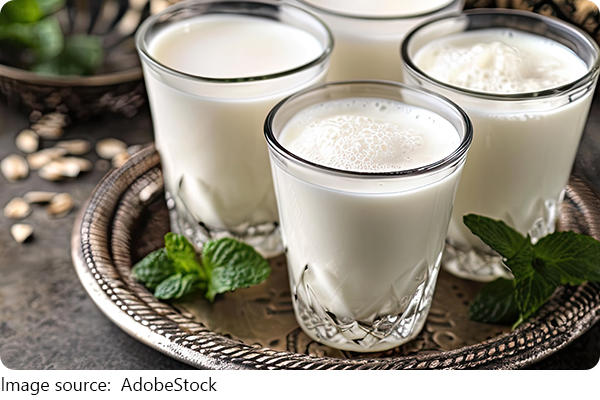
Plant-based milks have gained immense popularity as a dairy alternative, whether you are lactose intolerant, vegan, or simply looking to reduce your environmental footprint. Nutritional content varies significantly due to factors like processing methods, fortification with vitamins and minerals, and added ingredients such as sweeteners and stabilizers. So let's take a friendly walk through what each type actually brings to your cup.
Soy Milk: The Protein Champion
Unlike most plant proteins, soybeans contain all essential amino acids. Soy milk has nearly the same amount of protein as cow's milk, but half the calories, lipid content, and carbohydrates. Soy milk is lactose and cholesterol free and low in saturated lipids. One cup of soy milk has 100 calories and the highest protein content at 7 grams. It has high levels of calcium and vitamin A and also contains some iron and B12. If you are looking for a plant-based option that feels filling and nutritionally close to dairy, soy milk is a really solid choice. Just keep in mind that unfortified soy milk lacks calcium and vitamin D, so be sure to choose fortified brands to get these nutrients.
Almond Milk: Light and Gentle
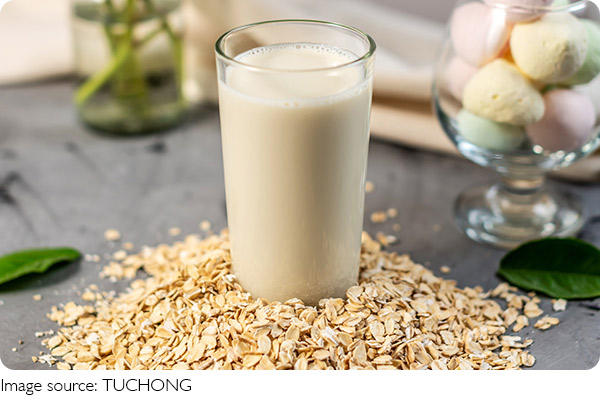
Almond milk is extremely low in calories, about 30 to 40 calories per cup, but also very low in protein, with only 1 gram per cup. Nutritionally, almond milk is a good source of vitamin D and E, antioxidants that support skin health and immune function. Almond milk is often fortified to provide roughly 300 mg of calcium and vitamin D, making it similar to dairy milk in that regard. Almond milk is a good option for those watching calories since it has significantly fewer calories than other milks. It is naturally lactose-free and contains almost no saturated lipids. It is a gentle, easy-drinking option, but if protein is your priority, you might want to pair it with other protein-rich foods throughout the day.
Oat Milk: Creamy and Comforting
Oat milk is known for its creamy texture and mild flavor, making it a favorite for coffee drinks and baking. One advantage is that it is naturally free of dairy, lactose, soy, and nuts, which can be helpful for people with dietary restrictions or food sensitivities. It has about 90 to 120 calories per cup, with 2 to 4 grams of protein. Oat milk contains higher amounts of carbohydrates, about 15 grams per cup, and roughly 2 grams of fiber in the form of beta-glucans. Oat milk is usually fortified with calcium, vitamin D, and B12. It also contains beneficial beta-glucans, a type of fiber known for promoting digestive health. If you love that rich, barista-style texture in your morning coffee, oat milk is a wonderful companion.
Pea and Rice Milk: The Lesser-Known Options
Research has found that pea-based drinks had the most phosphorus, selenium, and zinc among plant-based milk varieties, while soy milk had the most magnesium overall. Pea milk is a rising star worth knowing about, especially if you are allergic to soy or nuts. Rice milk is one of the most hypoallergenic plant-based milks, making it suitable for individuals with nut or soy allergies. However, its nutritional profile reveals high carbohydrate content coupled with low protein levels. Naturally, rice milk is low in vitamins and minerals but can be fortified with calcium, vitamin D, and vitamin B12 to improve its nutritional value. It is a sweet, mild option that works really well in desserts and cereals.
What to Look For on the Label
One of the most important factors when choosing plant-based milk is added sugar. Many flavored or "original" varieties contain added sugars, which can add up quickly. Experts recommend avoiding sweetened versions with sugar additives and opting for unsweetened varieties instead. When buying a plant-based milk, check the nutrition label for calcium, vitamin D, and vitamin B12. Ideally, you would want to see calcium at around 120 mg per 100 ml, vitamin D at least 1 microgram per 100 ml, and vitamin B12 at around 0.5 micrograms per 100 ml. Protein content is another key difference between options. Milk alternatives can vary significantly in their protein levels. Soy and pea milks tend to be higher in protein, while almond, rice, and coconut milks are typically much lower.
At the end of the day, there is truly no single "best" plant milk for everyone. It all comes down to what your body needs, what your taste buds love, and what fits your lifestyle. Whether you choose creamy oat milk for your morning brew or protein-rich soy milk in your smoothie, the most important thing is to find a fortified, unsweetened option that supports your well-being. You deserve to nourish yourself in a way that feels right for you, every single day.