Motorcycle Light Check

Camille Dubois
| 29-04-2026
 · Automobile team
You don't really notice your motorcycle lights during the day. Everything looks fine in the garage, the engine sounds good, and you head out without a second thought.
However, the moment the sun drops, lighting stops being background equipment and becomes your lifeline.
A quick, regular check of your lighting system can quietly prevent close calls and help you ride with Less stress after dark.
Understand Why Lights Matter at Night
At night, lights do two jobs at once: they help you see and help others notice you.
• Headlights reveal road surface changes and obstacles.
• Tail lights signal your position to vehicles behind you.
• Turn signals communicate your intentions clearly.
Actionable example: Before an evening ride, stand about ten meters in front of your bike with the lights on. If the road ahead isn't clearly illuminated, something needs attention.
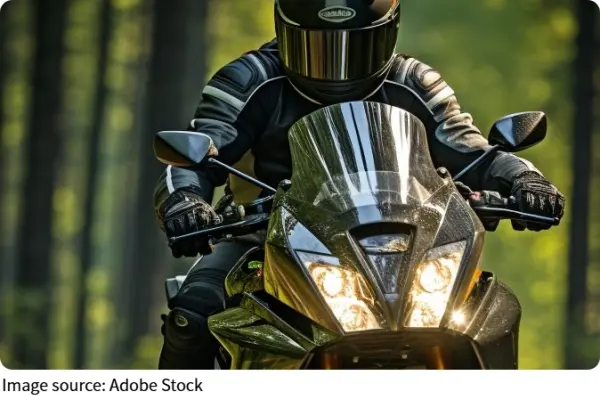
Check the Headlight Beam Pattern
A working headlight isn't always a correctly aimed headlight.
• Low beams should light the road, not the sky.
• High beams should extend visibility without blinding others.
• Uneven light can indicate misalignment or housing issues.
Actionable example: Park facing a wall on level ground. Turn on the low beam and note where the brightest part of the light hits. If it's too high or too low, adjust according to your manual.
Inspect Bulbs and Lenses
Light output drops when lenses or bulbs degrade.
• Cloudy lenses reduce brightness.
• Aging bulbs dim gradually, not suddenly.
• Cracks allow moisture inside the housing.
Actionable example: Wipe the lens with a clean cloth and mild cleaner. If visibility improves noticeably, add lens cleaning to your monthly routine for Better focus on the road.
Test Tail Light and Brake Light
The tail section is easy to forget because you rarely see it while riding.
• Tail light should glow steadily when the bike is on.
• Brake light must brighten immediately when brakes are applied.
• Delay or flicker signals an electrical issue.
Actionable example: At night, back your bike close to a wall and apply the brakes. Watch for an instant change in brightness. If it's slow, troubleshoot before riding again.
Verify Turn Signals Function Properly
Turn signals are about timing as much as brightness.
• Signals should flash at a steady rhythm.
• Both front and rear indicators must work together.
• Dim or fast flashing often points to wiring or bulb problems.
Actionable example: Walk around the bike with signals on. If one side looks weaker, replace the bulb before it fully fails.
Check Wiring and Connectors
Lights depend on small connections that can loosen over time.
• Vibrations can loosen connectors.
• Dust and moisture affect contacts.
• Frayed wires reduce reliability.
Actionable example: During routine cleaning, gently press on visible connectors. If a light flickers, you've found a connection that needs tightening.
Don't Ignore the Indicator Panel
Dashboard indicators give early warnings.
• High-beam indicator confirms beam selection.
• Signal indicators help avoid leaving signals on.
• Warning lights can reveal electrical strain.
Actionable example: While idling, switch between low and high beam and confirm the indicator reacts correctly. This habit supports Better focus during night riding.
Understand Power Load Limits
Adding accessories can strain the lighting system.
• Extra lights draw additional power.
• Overloaded systems cause dimming.
• Inconsistent brightness hints at capacity issues.
Actionable example: Turn on all lights and accessories at idle. If lights dim when braking or signaling, reduce load or upgrade components before riding at night.
Perform a Full Night Test Ride
Garage checks can't replace real conditions.
• Ride on a familiar road after dark.
• Observe how far ahead you can see.
• Note reflections from signs and markings.
Actionable example: Choose a quiet route and ride at moderate speed. If you feel uncertain about what's ahead, improve lighting before longer trips.
Set a Simple Lighting Routine
Consistency keeps surprises away.
• Weekly quick light check.
• Monthly lens and wiring inspection.
• Immediate fixes for any flicker or dimming.
Actionable example: Combine your light check with tire pressure checks. That pairing builds Deeper sleep knowing the bike is ready for night rides.
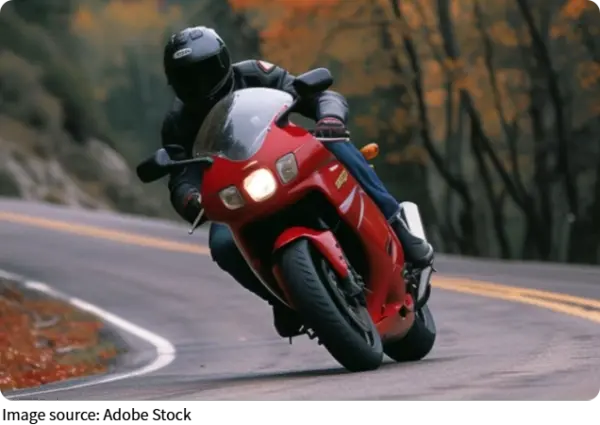
Night riding doesn't have to feel tense or risky. When your lighting system is clean, bright, and reliable, the road feels calmer and more predictable. Taking a few minutes to check your lights isn't about being cautious—it's about giving yourself the confidence to ride smoothly when visibility matters most.