Faster Reactions

Declan Kennedy
| 30-04-2026
 · Automobile team
You know that split second when something changes in traffic and your body reacts before your mind catches up? That moment isn't luck. It's reaction time and decision-making working together.
On a motorcycle, those two skills shape almost every outcome. Speed matters, but awareness and choices matter more.
Understand What Reaction Time Really Means
Reaction time isn't just how fast you move your hands. It's how quickly your brain recognizes a situation and chooses a response.
• Perception comes first. You have to notice the change.
• Interpretation follows. You decide what the change means.
• Action comes last. You brake, steer, or accelerate.
Actionable example: Practice scanning three zones ahead: the vehicle in front, the space beyond it, and the wider road. This habit reduces surprise and creates Less stress because fewer things catch you off guard.
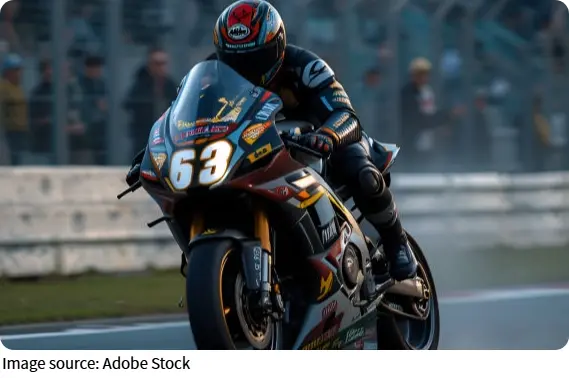
Build Automatic Habits
Good decisions feel instant because they're practiced, not rushed.
• Keep fingers resting lightly on the controls in traffic.
• Position your feet ready for quick shifts or braking.
• Hold a relaxed but alert posture.
Actionable example: During city rides, make a habit of covering the brake at intersections, even when you have the right of way. This reduces reaction time without increasing tension.
Reduce Mental Load
Your brain can only process so much at once. Fewer distractions mean faster decisions.
• Simplify your cockpit. Avoid cluttered displays.
• Keep your route clear in your mind.
• Ride at a pace where you feel calm, not rushed.
Actionable example: Before starting a ride, take 30 seconds to visualize the first few turns and exits. A clear start leads to Better focus throughout the ride.
Read the Road Like a Story
Traffic patterns repeat. Riders who recognize them decide faster.
• Watch spacing between vehicles.
• Notice speed differences between lanes.
• Observe driver behavior, not just signals.
Actionable example: If a car drifts slightly toward a lane line, prepare for a lane change before the indicator appears. Early awareness buys you time to choose smoothly.
Practice Micro-Decisions
Big reactions are built from small choices made early.
• Adjust lane position before danger appears.
• Change speed slightly to create space.
• Choose visibility over convenience.
Actionable example: Move a half-lane left when approaching parked vehicles. That small adjustment reduces risk without sudden movement.
Control Emotional Responses
Strong emotions slow thinking and distort judgment.
• Avoid riding when frustrated or rushed.
• Don't compete with traffic.
• Let go of “being right” in conflicts.
Actionable example: If someone cuts in front of you, back off and reset your space instead of reacting. Calm decisions protect your rhythm and your safety.
Train Your Brain Off the Bike
Reaction skills aren't built only on the road.
• Practice awareness in daily life.
• Train quick choices in simple activities.
• Improve rest and recovery.
Actionable example: Get consistent sleep before long rides. A rested mind makes clearer decisions and supports Deeper sleep after riding days.
Slow Down to Speed Up
Rushing reduces clarity. Calm riding improves reaction time.
• Smooth inputs keep the bike stable.
• Predictable riding reduces chaos around you.
• Space gives you thinking time.
Actionable example: Increase following distance slightly in heavy traffic. The extra buffer gives you room to react without panic.
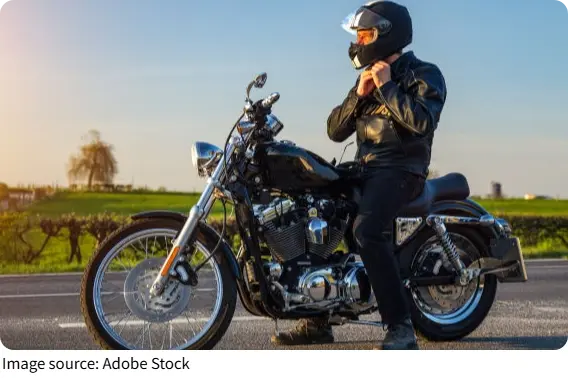
Reaction time and decision-making aren't separate skills—they're one system. The more calmly and clearly you ride, the faster your responses become. Build habits, reduce noise, and trust simple patterns. Over time, you won't feel like you're reacting faster. You'll feel like fewer emergencies happen at all—and that's the real sign you're riding well.