The Future of Rail Transport

Kwame Johnson
| 28-04-2026
 · Automobile team
When most people think of trains, they imagine long, metallic structures snaking through cities or across vast landscapes. But what if I told you that the future of rail transport is much more dynamic than what we've seen in the past century? The train industry is evolving, and it's not just about speed and comfort anymore.
It's about creating smarter, greener, and more efficient systems to meet the demands of a growing, fast-paced world. In this article, we'll take a closer look at how the rail industry is adapting to modern needs, and why trains might just be the future of transportation.
Smart Trains: The Technology Behind the Tracks
One of the most exciting changes happening in the train industry is the integration of cutting-edge technology. Smart trains are becoming a reality, bringing advanced features such as automatic braking, real-time tracking, and predictive maintenance. This means fewer delays, better safety, and a smoother overall ride for passengers. By using sensors and artificial intelligence (AI), these trains can detect potential issues before they even occur, allowing for timely repairs and less downtime.
Moreover, passengers will enjoy more personalized services. With onboard connectivity, trains will offer real-time updates on routes, weather, and delays. Expect smoother journeys with Wi-Fi, interactive entertainment systems, and digital ticketing, all designed to enhance the travel experience. These technological advancements are turning trains into not just a mode of transport, but a comfortable and connected environment.
Eco-Friendly Rail Travel: Sustainability Takes the Lead
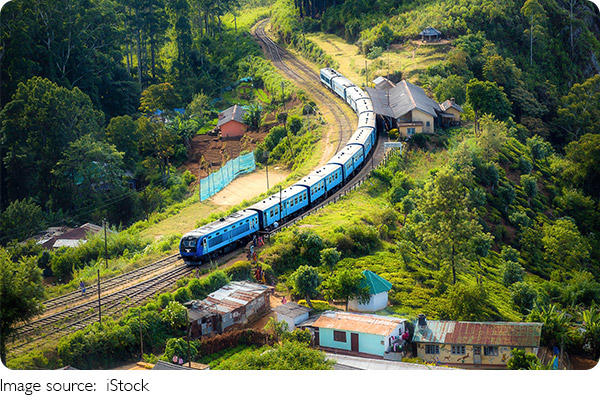
In an era where sustainability is a top priority, rail transport is being revamped to be more eco-friendly. Trains are naturally more energy-efficient than cars and airplanes, and with new innovations, their environmental footprint is shrinking even further. Hydrogen-powered trains and electric trains running on renewable energy are at the forefront of this green revolution.
Hydrogen-powered trains, for example, emit only water vapor, making them a fantastic option for reducing emissions. These trains are already in use in several European countries and are set to expand globally in the coming years. Electric trains, which are powered by renewable energy sources such as wind and solar, are another step toward reducing the reliance on fossil fuels. By embracing these eco-friendly options, rail travel is positioning itself as one of the most sustainable ways to travel long distances.
High-Speed Rail: Faster and More Efficient Than Ever
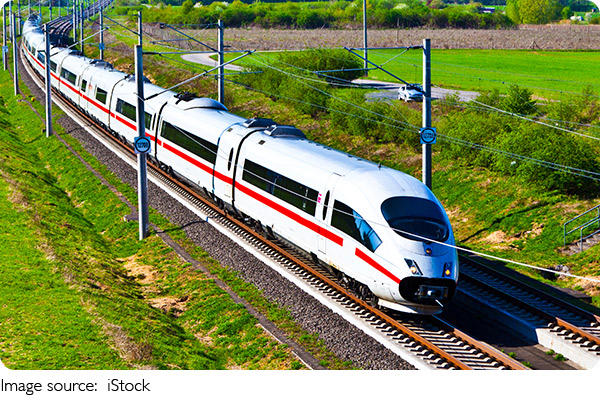
High-speed rail (HSR) has been a game changer in countries like Japan, France, and China. But now, even more nations are jumping on the high-speed bandwagon. With advancements in technology and better infrastructure, the dream of high-speed trains connecting major cities around the world is becoming more of a reality.
One key trend in the high-speed rail sector is the development of trains that can travel at speeds exceeding 400 km/h (about 250 mph). These ultra-fast trains are powered by innovative technologies like magnetic levitation (maglev), which allows them to glide above the tracks, reducing friction and increasing speed. As more regions invest in these high-speed networks, commuting between cities could soon be faster and more efficient than ever before.
Urban Rail: Trains for the City
While high-speed trains are often thought of in terms of intercity travel, urban rail systems are also seeing significant upgrades. Subways, light rail, and commuter trains are becoming increasingly popular in cities around the world. These systems are not just growing in size, but also in efficiency.
For example, cities are integrating digital technology into their urban rail systems, improving everything from scheduling to ticketing. In addition, more cities are focusing on creating seamless multimodal transportation systems, where trains, buses, and bikes all work together to provide a cohesive travel experience. With rising urban populations and the ongoing need for sustainable transport, urban rail is becoming an essential part of modern city life.
Challenges and Opportunities: What's Holding the Industry Back?
Despite the exciting advancements, the rail industry faces several challenges. One major hurdle is the cost of infrastructure development. Building new high-speed rail lines or upgrading existing ones requires massive investment, which can be a barrier for many governments. In addition, while technology has advanced, there are still areas where rail systems need improvement, particularly in developing countries where rail infrastructure may not be as modern.
However, the opportunities are vast. As more countries recognize the benefits of rail travel—whether for sustainability, efficiency, or convenience—the push for investment in rail infrastructure is growing. With technological innovations and improved funding, the train industry has the potential to revolutionize global transportation.
The Future of Rail is Bright
The future of rail transport is undeniably exciting. From high-speed trains that connect cities in record time to eco-friendly, smart systems that promise to make travel smoother and more sustainable, the rail industry is evolving to meet the needs of the 21st century. With the focus on sustainability, technological innovation, and improving the overall passenger experience, trains are poised to become the backbone of modern transportation.
As we move forward, expect to see even more ambitious rail projects, from cross-country high-speed lines to urban networks that help combat congestion. The future of transportation is on the rails, and it looks brighter than ever.