Drive New, Pay Less

Raghu Yadav
| 12-05-2026
 · Automobile team
Walking past a dealership, it's clear the way people get cars is shifting.
Instead of committing to decades-long loans, more drivers are opting for leasing. It's not just a financial choice—it's changing the dynamics of the automobile industry, influencing how cars are designed, marketed, and sold.
Leasing is no longer a niche option; it's shaping the future of mobility. According to Jeremy Robb, interim chief economist, the 2026 forecast reflects a slowing but stable market where value perception is critical, noting that "the expected declines are modest, and we think there will be good news on interest rates and tax returns that help the auto market in the first half of 2026".
Lower Upfront Costs Attract More Drivers
Leasing removes the burden of large down payments.
Drivers can get a newer model with monthly payments that are often lower than traditional loans.
This accessibility expands the pool of potential buyers, especially among younger drivers or those with tight budgets.
Manufacturers benefit too, as more people can afford to drive their newest models without committing to full ownership.
A first-time driver might lease a compact SUV with a $1,000 down payment instead of spending $25,000 buying it outright. They enjoy modern features while keeping cash flow flexible.
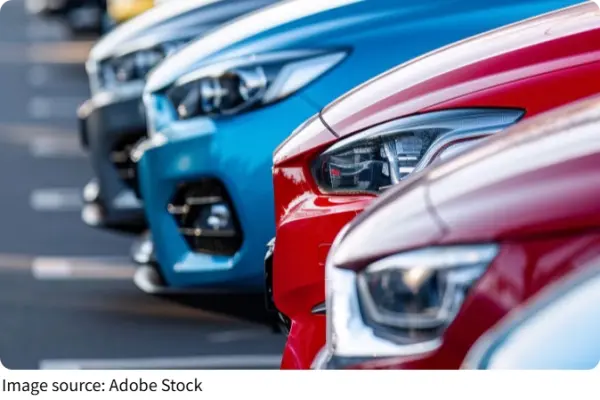
Encouraging Frequent Model Updates
Leasing cycles, usually 2–3 years, encourage regular upgrades.
Drivers return vehicles before major repairs become necessary, keeping maintenance costs predictable.
Automakers benefit from consistent demand for new models, allowing them to refresh product lines more frequently.
Leasing incentivizes design improvements and innovation, as manufacturers know cars will return for resale or refurbishment.
A driver leases a mid-size sedan for three years, then upgrades to the next generation model with advanced safety features, keeping the driving experience modern and enjoyable.
Influencing Car Design and Features
Leasing impacts what features automakers prioritize.
Vehicles designed for short-term use emphasize durability, fuel efficiency, and tech upgrades.
Luxury features, like advanced infotainment systems or autonomous driving options, attract lessees looking for the latest innovations.
Manufacturers also standardize maintenance-friendly components to streamline the end-of-lease inspection process.
Some sedans now include modular infotainment systems that can be updated or replaced, keeping leased cars appealing for multiple cycles.
Reshaping Resale and Used Car Markets
Leasing changes how cars enter the used market.
Returned lease vehicles often appear as certified pre-owned, providing high-quality, low-mileage options for buyers.
This increases competition in the used car market, offering affordable alternatives to new purchases.
Dealers benefit from predictable inventory and valuation, reducing risk for both seller and buyer.
A dealership can quickly resell a returned lease SUV after inspection, offering buyers a nearly new vehicle at a lower price point.
Boosting Flexible Mobility Solutions
Leasing aligns with modern lifestyles focused on flexibility.
Short-term commitments appeal to those who may relocate, switch jobs, or prefer not to be tied to a single vehicle.
Subscription models and leasing options are merging, allowing drivers to swap cars by season or need.
Automakers can experiment with mobility services alongside traditional sales, diversifying revenue streams.
A professional who travels frequently may lease a fuel-efficient car for city use and switch to a larger vehicle during road trips through a subscription add-on.

The New Norm in Car Access
Leasing is more than just an alternative to buying—it's transforming the automotive landscape. By lowering upfront costs, promoting frequent upgrades, influencing vehicle design, reshaping the used car market, and supporting flexible mobility, leasing offers benefits for both consumers and manufacturers. Drivers gain access to modern, well-maintained cars without long-term commitment, while manufacturers enjoy predictable sales cycles and opportunities to innovate. The industry is evolving, and leasing is a central part of that change, signaling a shift in how we think about car ownership itself.