Remote Vehicle Tech

Arvind Singh
| 30-04-2026
 · Automobile team
You wake up, grab your morning coffee, and check your car app.
Overnight, your vehicle received a software update that improved navigation, optimized battery performance, and even added a new driving feature. No garage visit, no waiting—it's just there.
Over-the-air (OTA) updates are transforming how we interact with cars, making them smarter, safer, and more adaptable than ever before.
What Over-the-Air Updates Are
Over-the-air updates allow car manufacturers to send software improvements directly to vehicles via wireless connections. Instead of taking a car to a dealership for repairs or feature additions, updates happen remotely, often automatically.
Example: Updates that enhance battery efficiency, adjust suspension settings, or improve autopilot features. This system not only saves time for owners but also extends the lifespan of the car's software and functionality.
For drivers, it means that even older vehicles can receive the latest technology improvements without new hardware installations.
Benefits for Safety and Performance
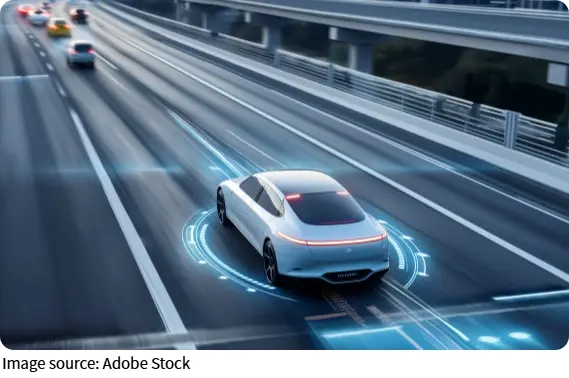
One of the biggest advantages of OTA updates is their impact on safety. Manufacturers can patch software bugs, update collision detection algorithms, or refine braking and steering controls. Performance enhancements are also common, from optimizing engine management systems to fine-tuning electric motors.
Example: a manufacturer might release an update that improves lane-keeping assistance. After downloading, the car can detect lane markers more accurately in various weather conditions, reducing the risk of accidents.
Tip for car owners: always connect your car to a secure Wi-Fi network to ensure updates install safely and quickly.
Convenience and Cost Savings
OTA updates reduce the need for dealership visits, saving both time and money. Routine software maintenance that once required appointments and labor charges can now be done automatically.
Example: a navigation system might receive updated maps and traffic algorithms over the air. The driver gets improved routing without visiting a service center.
Actionable tip: schedule updates during off-peak hours or overnight so your car is ready to go with minimal interruption.
Customization and New Features
OTA updates aren't just about fixes—they can add entirely new features. Car owners can get performance boosts, entertainment upgrades, or even new driving modes.
Example: some electric vehicles receive updates that introduce “track mode” or enhance regenerative braking. This transforms how the car drives and gives owners new experiences.
Pro tip: check the manufacturer's app regularly, as feature updates are often rolled out gradually and might require manual activation.
Challenges and Considerations
Despite the advantages, OTA updates come with considerations. Reliable internet connections, cybersecurity measures, and compatibility with older vehicles are crucial factors. A failed update or a security vulnerability could affect vehicle performance.
Example: always ensure your vehicle is parked safely during an update. Backup important settings, and monitor notifications from the car's system or app. Manufacturers are continuously improving security protocols, but owners should remain vigilant and follow best practices.
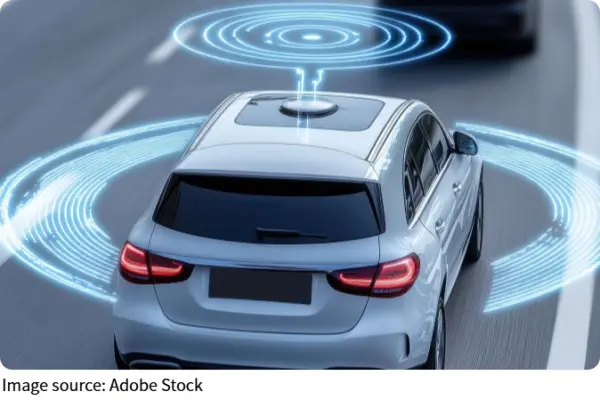
Over-the-air updates are redefining the relationship between drivers and their vehicles. Cars are no longer static machines but evolving platforms that improve over time. They promise smarter performance, enhanced safety, and exciting new features without the hassle of a dealership visit.
As this technology becomes more widespread, the future of driving will be more connected, convenient, and adaptable than ever. For car owners, embracing OTA updates means enjoying the latest innovations while keeping their vehicles running efficiently and safely.