Kinderdijk Windmills

Ethan Sullivan
| 28-04-2026
 · Travel team
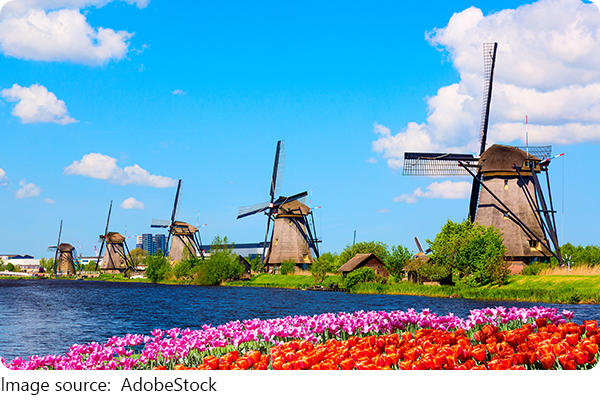
Two meters below sea level, in the flat green polder country between Rotterdam and Dordrecht, nineteen windmills stand in a long row alongside still canals. Their sails turn slowly. Herons fish at the water's edge. The sky takes up more of the frame than anything else.
Kinderdijk is the Netherlands that people imagine before they arrive, and one of the rare places that actually delivers on the picture. These windmills aren't decorations or replicas. They were built in the 1730s to pump water out of land that would otherwise be underwater, and most of them are still maintained by working millers today. Some are even homes.
Kinderdijk
Why Kinderdijk Is Worth More Than a Quick Stop?
Most visitors arrive, take their photos along the main canal path, and leave within an hour. That's genuinely a shame, because there's quite a bit more to the place. Two of the windmills are open for interior tours, showing both the intricate wooden pumping machinery and the cramped living quarters where miller families raised children inside working mills. One of the museums, Museummolen Nederwaard, dates from 1738 and gives a full picture of what daily life inside a functioning windmill actually looked like. A boat tour on the canals between the mills shows the layout from a completely different angle, and the Kinderdijk app — free to download — runs a self-guided audio tour across the whole site.
Getting There
The most scenic approach is by Waterbus from Rotterdam's Erasmus Bridge (Line 20). The journey takes around 30 to 40 minutes along the river, and you dock directly at the windmill entrance path. It's genuinely one of the more atmospheric arrivals in the Netherlands. From Rotterdam Centraal Station, the train from Amsterdam takes about 40 minutes, and then you transfer to the Waterbus.
From Amsterdam directly, take the high-speed train to Rotterdam Centraal — around 40 minutes — and then connect to the Waterbus. The full journey from Amsterdam runs about 90 minutes each way. If you're driving, park at the official lot on Marineweg in Alblasserdam for around $8 per car, and a free shuttle bus runs to the entrance between 9 AM and 6 PM.
Opening Hours and Entrance Fees
The windmill grounds are freely accessible at any time — you can walk or cycle through the entire site at no cost and enjoy the full exterior landscape. To enter the windmill museums, join the canal boat tour, visit the pumping station, and access the visitor center, you'll need a ticket. Current all-access tickets are $23 per person for general visitors and around $10 for children aged 4 to 12. Under 4 enter free.
The site generally opens at 9 AM and closes at 5:30 PM from April through October, with shorter hours from November through March. Booking tickets in advance online is strongly recommended during summer weekends when queues at the gate can be long.
Where to Stay
There's no hotel directly at Kinderdijk itself, but Rotterdam — 20 minutes away by Waterbus — is an excellent base with a full range of accommodation. Budget options and hostels in Rotterdam start from around $35 to $55 per night for dorm beds, with private rooms from $75 to $120. Mid-range hotels in the city center run $120 to $200 per night. Staying overnight in Rotterdam and taking an early morning Waterbus to Kinderdijk before the tour groups arrive is one of the smartest moves you can make — the light at that hour is extraordinary, and you'll have the canal path almost entirely to yourself.
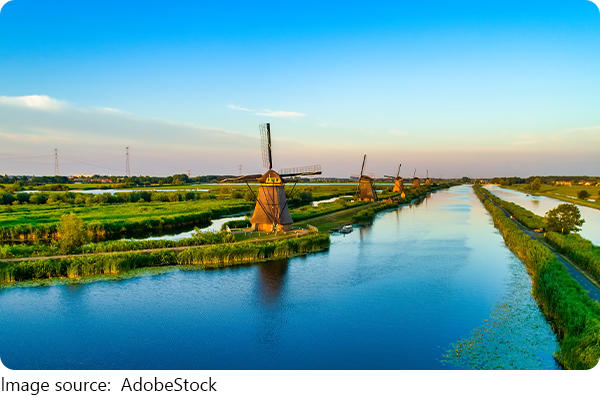
Kinderdijk is one of those places that rewards the travelers who slow down. Stay long enough to take the boat, walk the full path, and watch the sails turn — and it becomes something you remember long after the postcard photos have faded.