Self-Driving Future

Pardeep Singh
| 29-04-2026
 · Automobile team
Imagine sitting in your car, scrolling through your phone, or enjoying a coffee while the vehicle navigates traffic for you.
What once seemed like science fiction is rapidly becoming reality as autonomous vehicles take to streets worldwide.
They're changing not just how we drive, but how we think about roads, safety, and urban planning.
Understanding Autonomous Technology
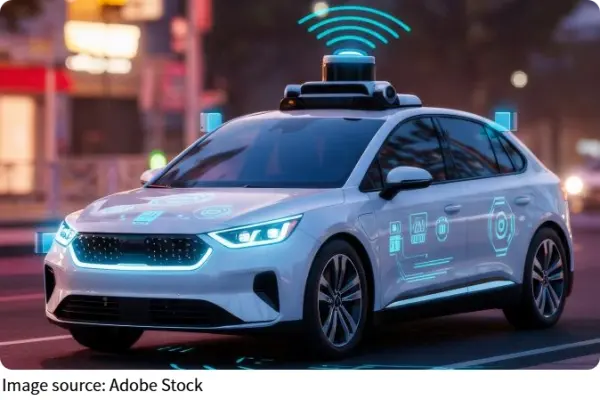
Self-driving cars rely on a combination of sensors, cameras, radar, and artificial intelligence to interpret the road. These systems detect obstacles, read traffic signs, and even predict the actions of other drivers and pedestrians.
Example: A Level 4 autonomous vehicle can handle most city driving scenarios without human intervention, though a person may still need to take over in extreme conditions.
Tip: Familiarizing yourself with the levels of automation helps you understand what tasks the vehicle can safely manage, which is essential for new owners or commuters.
Safety Improvements on the Road
One of the most significant impacts of autonomous vehicles is the potential reduction in accidents. Human error causes over 90% of traffic accidents, from distracted driving to misjudging speeds. Autonomous systems can react faster, maintain safe distances, and reduce the risk of collisions.
Example: During testing, self-driving cars equipped with predictive braking systems have avoided rear-end collisions that human drivers would likely have caused.
Actionable insight: Communities considering autonomous fleets can prioritize integration in high-risk areas, like school zones, to maximize safety benefits.
Traffic Flow and Congestion
Autonomous vehicles are designed to communicate with each other and traffic management systems. This coordination allows smoother merges, optimal speed adjustments, and reduced stop-and-go traffic patterns, improving overall flow on highways and city streets.
Example: In pilot programs where autonomous shuttles operate alongside regular vehicles, congestion during peak hours dropped by up to 15%.
Tip: Cities can integrate smart traffic signals with autonomous vehicle networks to further enhance traffic efficiency, reducing commute times for everyone.
Environmental Impact
Self-driving cars have the potential to cut emissions when paired with electric propulsion or optimized driving patterns. By maintaining steady speeds and reducing idle time, autonomous systems use energy more efficiently than human-driven vehicles.
Example: Autonomous electric taxis in urban trials used up to 20% less energy than manually driven equivalents.
Actionable takeaway: Combining autonomy with electric power not only improves convenience but also supports sustainability goals.
Shaping Urban Spaces
As autonomous vehicles become more common, the design of streets, parking, and public spaces is evolving. Reduced need for parking lots could free up land for parks or pedestrian areas, while roads can be redesigned for safer, more efficient traffic flow.
Example: Some cities plan to repurpose curbside parking for autonomous pick-up zones or micro-mobility hubs.
Tip: Urban planners and local governments can start mapping future infrastructure needs now, anticipating areas where autonomous vehicles will dominate.
Challenges and Considerations
Despite the benefits, autonomous vehicles face hurdles. Regulatory approvals, public trust, cybersecurity, and ethical decision-making in emergency scenarios remain critical concerns.
Example: Testing autonomous vehicles in mixed traffic conditions shows that unpredictable human drivers still pose challenges for AI decision-making.
Actionable advice: Drivers and communities can participate in pilot programs to provide feedback, helping refine safety protocols and AI behavior.
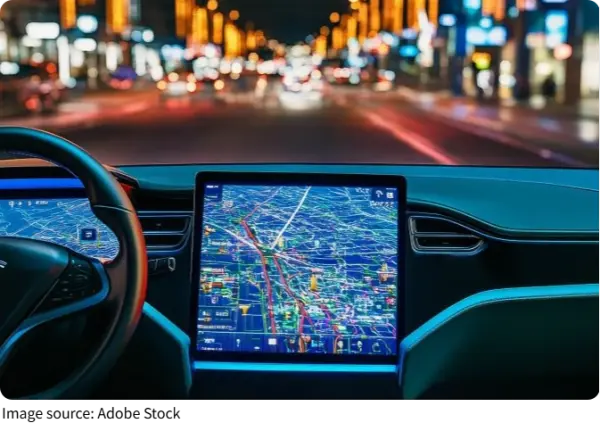
Self-driving cars are not just a technological novelty—they're a catalyst for change. They promise safer roads, reduced congestion, lower emissions, and a new vision for city landscapes. While challenges remain, the gradual integration of autonomous vehicles into daily life will redefine commuting, reshape urban planning, and alter our relationship with mobility.
One day, sitting back while your car drives you to work may feel completely ordinary, yet it represents a profound shift in how humans interact with machines, cities, and even each other.