The Hydrogen Revolution

Mason O'Donnell
| 29-04-2026
 · Automobile team
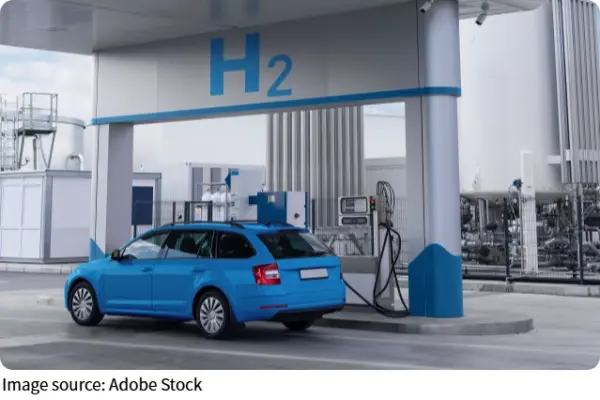
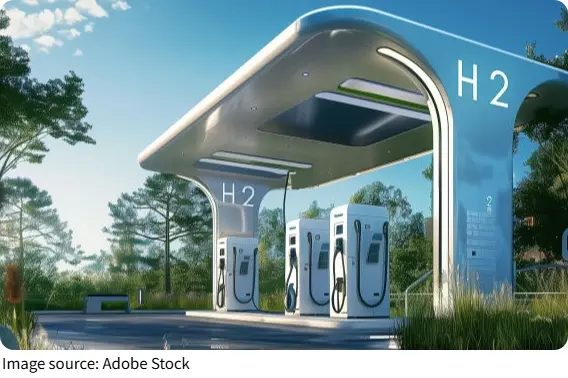
You're at a gas station, but instead of seeing rows of gasoline pumps, you spot a futuristic hydrogen refueling station. It's fast, clean, and completely silent—no rumble of an engine, no exhaust fumes.
This glimpse into a hydrogen-powered world might feel like science fiction, but fuel cell cars are already on our roads, quietly shaping the future of driving.
1. How Hydrogen Fuel Cells Work
At the heart of these vehicles is the hydrogen fuel cell, which generates electricity through a chemical reaction between hydrogen and oxygen. Unlike traditional engines that burn fuel, fuel cells produce only water vapor and heat as byproducts.
Example: A car with a 100 kW fuel cell can power an electric motor to accelerate smoothly from 0 to 60 mph in under 10 seconds, all while emitting nothing but water from the tailpipe.
Tip: Understanding the basics of how fuel cells convert hydrogen into electricity can help you grasp why these cars are both eco-friendly and efficient.
2. Advantages Over Battery Electric Vehicles
Hydrogen cars offer unique benefits compared to standard battery electric vehicles (EVs). One key advantage is refueling time: it takes roughly 5 minutes to fill a hydrogen tank versus 30 minutes or more to charge a high-capacity EV battery. They also tend to have longer driving ranges without significantly increasing vehicle weight.
Example: Some hydrogen vehicles can travel over 400 miles on a single tank, making them ideal for long-distance trips.
Actionable insight: for drivers who dislike long charging stops, fuel cell cars could provide the convenience of traditional cars while remaining zero-emission.
3. Infrastructure Challenges
Despite their promise, hydrogen cars face hurdles. Hydrogen refueling stations are far less common than gasoline or EV chargers, and producing hydrogen in an eco-friendly way can be expensive.
Example: A driver planning a cross-country trip may need to carefully map refueling points.
Tip: manufacturers and governments are slowly building networks, and choosing regions with growing infrastructure ensures a smoother experience.
4. Environmental Impact
When produced with renewable energy, hydrogen fuel cells offer a near-zero carbon footprint. Unlike gasoline cars, they don't release CO₂ during operation, and when hydrogen is made from wind or solar power, the production process itself can be nearly carbon-free.
Example: Driving 15,000 miles a year in a hydrogen vehicle powered by renewable hydrogen could prevent about 7 tons of CO₂ emissions compared to a conventional car.
Actionable insight: consider not just the fuel source, but how it's produced—green hydrogen is key to maximizing environmental benefits.
5. Current Models and Market Options
Several automakers have already introduced hydrogen cars to consumers. From compact sedans to SUVs, these vehicles showcase different ways fuel cells can integrate into daily life.
Example: The Toyota Mirai and Hyundai Nexo offer modern interiors, advanced driver-assistance systems, and refueling times comparable to gasoline vehicles.
Tip: if you're curious about fuel cell tech, visiting dealerships or test-driving these models provides hands-on understanding.
6. Looking Ahead: The Future of Hydrogen Mobility
Hydrogen isn't limited to passenger cars—it has potential in buses, trucks, and even trains. Large vehicles benefit from hydrogen's lightweight energy storage, allowing long-range operation without heavy batteries.
Example: Cities exploring hydrogen buses report reduced noise and cleaner air on busy streets.
Actionable takeaway: as hydrogen technology scales, expect more everyday applications, making it easier to see fuel cells as part of a cleaner, smarter transport ecosystem.
The rise of hydrogen fuel cell cars is more than a trend—it's a shift toward vehicles that combine efficiency, sustainability, and practicality. With faster refueling, longer ranges, and minimal emissions, hydrogen cars may soon rival both gasoline engines and battery EVs.
As infrastructure expands and technology improves, the silent hum of a hydrogen motor could become a familiar part of our daily commutes, quietly redefining what it means to drive responsibly.