Ride Through Blowouts

Chris Isidore
| 27-04-2026
 · Automobile team
While riding, a sudden tire failure can feel shocking. The sound, the vibration, and the change in balance all happen in seconds. But if we know what to do, we can still bring the situation under control and stop safely.
The key idea is simple: stay calm, avoid sudden braking, guide the direction gently, and slow down step by step. Let’s go through it together in a clear and practical way.
First reaction: stay calm and hold the handle steadily
When the tire suddenly loses air, the vehicle may drop or shake sharply. Our first reaction is the most important.
We should take a deep breath and keep focus. Panic only makes movement stiff and unbalanced. Both hands should hold the handle in a natural but firm way. The arms should stay slightly bent so they can absorb vibration instead of locking up.
The goal is not to fight the movement, but to stay flexible and ready.
Never brake suddenly in the early moment
A sudden stop is the biggest risk during tire failure. If we press the brake too hard, stability drops quickly.
When the front side is affected, strong braking may cause sliding or loss of directional control. When the rear side is affected, it may cause unstable movement at the back.
Instead, we should slow down gently using light, gradual braking primarily with the rear brake. If needed, the front brake should be extremely soft and smooth, never pressed sharply. Think of it as a slow reduction of speed, not an instant stop.
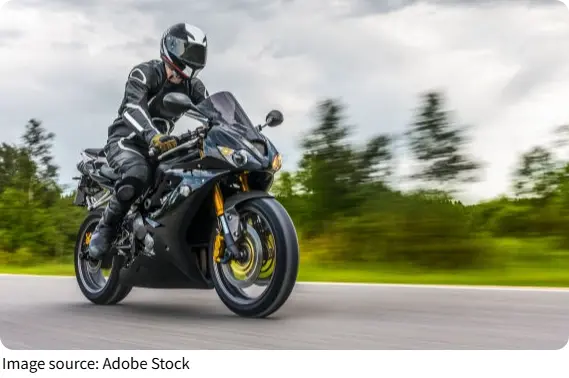
Keep direction stable and guide the movement
After the tire changes shape, the machine may pull slightly to one side or feel shaky. This is normal.
We should look forward, not down. Our eyes should focus on a safe open space ahead. The handle should be guided gently, not forced. Small and steady adjustments work better than strong movements.
The idea is to guide the path back into a straight line instead of fighting against it.
Slow down gradually and find a safe stopping area
As speed drops, natural resistance helps us slow down even more. At the same time, we should scan the surroundings.
We should look for a safe area such as the edge of a bike lane, a flat roadside space, or an open parking zone. The location should be away from moving traffic and not on curves or slopes.
Safety always comes first, even more than speed control.
Front side issue vs rear side issue
When the front area is affected, control becomes more sensitive. The system may shake or feel light in direction response. In this case, body weight should shift slightly backward, and braking should be extremely gentle.
When the rear area is affected, the front remains more stable. We can keep a normal posture and rely more on the front control for direction. Rear braking becomes less effective, so smooth deceleration matters more than force.
Understanding this difference helps us react correctly without guessing.
Final stop and post-check
When speed is very low, we can bring the machine to a full stop using gentle braking. If balance feels unstable, placing one foot down early can help stabilize.
After stopping, we should move the vehicle completely away from traffic flow. Then we check the tire condition to understand the issue. It may be air loss, surface damage, or a sharp object causing the problem.
If repair tools are available, a replacement or patch can be done. If not, external help should be contacted.
Simple habits that reduce risk before riding
We can reduce many risks with a few habits. Checking pressure regularly is important. The surface should also be inspected for wear or small embedded objects.
Carrying basic repair tools helps us handle unexpected situations. Practicing basic repair steps in a safe place also builds confidence.
Better preparation means less stress when something unexpected happens.
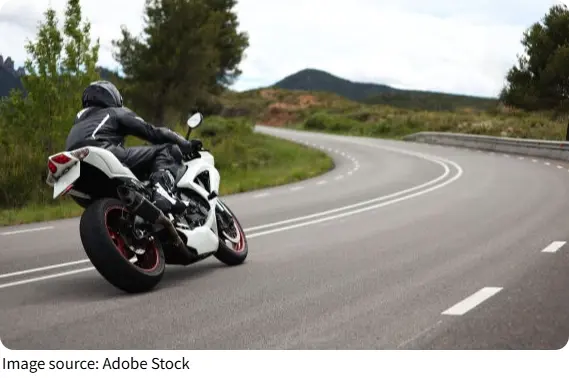
Stay Calm and Ride Safe
A sudden tire issue can feel intense, but it does not have to end the ride in panic. If we stay calm, avoid harsh braking, guide direction gently, and slow down step by step, control can be maintained.
Preparation and awareness make a big difference. With practice and the right mindset, we can handle the situation more confidently and continue enjoying every ride safely.