The Brain Behind the Car

Camille Dubois
| 28-04-2026
 · Automobile team
You slip into a self-driving car, buckle up, and watch as it smoothly merges onto the highway without a single input from you.
It feels almost magical, but under the hood, there's a sophisticated system working tirelessly.
Imagine a tiny city planner, a traffic officer, and a weather forecaster all operating inside your car at once—that's essentially what's happening every second.
Sensors: The Car's Eyes and Ears
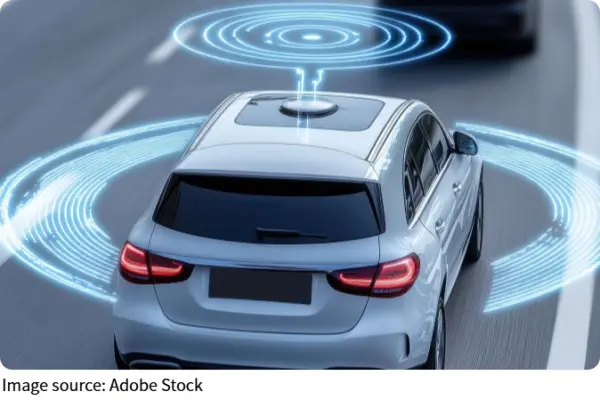
Self-driving cars rely on multiple types of sensors to perceive the world. Cameras capture images much like your eyes, radar measures distance and speed like your ears sensing vibrations, and LiDAR uses laser pulses to map the surroundings in 3D. Ultrasonic sensors monitor nearby objects, perfect for tight parking or detecting a child running after a ball.
Example: Picture a child chasing a ball onto the street. LiDAR spots the tiny movement, radar tracks its speed, and the car's software calculates whether it needs to brake immediately.
Tip: understanding sensors helps you appreciate why these vehicles often have dozens of cameras and lasers—each layer adds safety.
Data Processing: Making Sense of the World
Once sensors collect data, the car's computer system must filter, organize, and analyze it instantly. It identifies other cars, cyclists, traffic signs, and even animals crossing the road. Machine learning algorithms trained on millions of miles of driving data help the system predict the actions of these objects.
Example: When approaching a busy intersection, the system predicts whether a pedestrian might jaywalk or a car may cut in from a side street.
Actionable insight: the more varied scenarios the car experiences in testing, the better it becomes at handling unusual situations.
Decision-Making: The Car's Brain in Action
Decision-making is the layer where the “thinking” happens. The car weighs options like braking, accelerating, or changing lanes, always balancing safety and smoothness.
Example: Imagine a cyclist suddenly swerves in front of the car. The system evaluates the best response in milliseconds, perhaps slightly adjusting the steering while braking.
Tip: redundancy is key—self-driving cars often run multiple algorithms simultaneously to double-check decisions and prevent errors.
Connectivity: Learning from the Network
Many autonomous vehicles are cloud-connected, sharing data in real time with other cars and the manufacturer. This means a road hazard detected by one car can immediately inform the entire fleet.
Example: If a truck spills cargo on the highway, connected vehicles reroute automatically or adjust speed before drivers even notice.
Actionable tip: keeping your car's software updated ensures you benefit from these shared insights and improvements.
Human-Like Adaptation: Reading the Unexpected
Even with all the sensors and algorithms, real-world roads are unpredictable. Self-driving cars learn to adapt in human-like ways: anticipating sudden stops, merging smoothly, and even handling weather conditions like rain or fog.
Example: In heavy rain, cameras might struggle, but radar and LiDAR compensate, while the car reduces speed to maintain safety.
Actionable tip: understanding these adaptations can help users trust the system while remaining alert in challenging conditions.
The Future of Autonomous Driving
The next generation of self-driving cars promises smarter decision-making, enhanced safety, and better efficiency. Engineers continue improving sensor accuracy, refining AI algorithms, and simulating countless driving scenarios to prepare cars for the unexpected.
Example: Some vehicles now practice lane changes in virtual environments with simulated pedestrians and vehicles appearing unpredictably.
Takeaway: each improvement brings us closer to roads where cars communicate seamlessly, avoid accidents, and even optimize traffic flow.
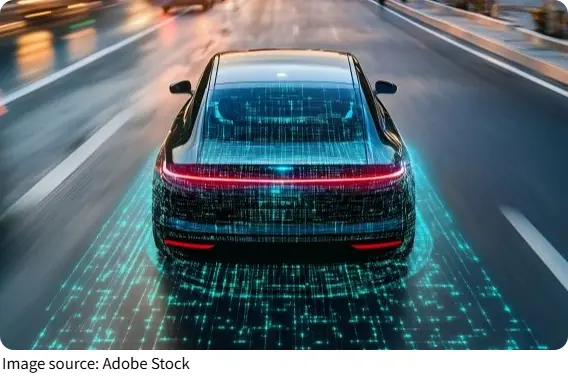
Watching a self-driving car navigate the streets shows a remarkable blend of sensors, processing power, and intelligent decision-making. These vehicles continuously see, think, and act, keeping passengers safe while learning from every mile driven.
The more we explore this technology, the clearer it becomes that autonomous driving is not just about convenience—it's about creating a smarter, safer world for everyone on the road.