Group Riding Etiquette
Mukesh Kumar
| 09-05-2026
 · Automobile team
Riding in a group is one of the most exhilarating experiences for any motorcyclist.
The sense of camaraderie, the synchronized movement, and the thrill of riding alongside others can create unforgettable memories.
However, group riding requires a set of unwritten rules and proper etiquette to ensure safety and smooth coordination.
If you're new to group riding, or even if you're an experienced rider, understanding and following group riding etiquette can make the experience much more enjoyable for everyone involved. Here are the key principles you should follow when riding with others.
Ride at Your Comfort Level
In a group, it's tempting to push your limits and keep up with faster riders, especially when you're new to group riding. However, this can lead to unsafe riding practices and increased risk of accidents.
Always ride at your own pace, even if others are speeding ahead. A key part of group riding is staying within your limits. If you're in the middle of the group, don't be afraid to signal that you need to slow down. If you're at the back, it's easier to keep your distance and adjust as needed. Riding comfortably allows you to focus on the road and stay in control.
Positioning Matters
Proper positioning is vital when riding in a group. Riders should be organized in a formation that allows everyone to see and react to each other's movements, and also gives ample space for maneuvering.
The most common formation is the staggered formation, where riders ride side by side with enough space between them. In this setup, riders should position themselves slightly behind and to the left or right of the rider ahead, giving them a clear line of sight. Always maintain a safe distance to allow for emergency maneuvers. Don't ride directly behind the bike in front of you—this creates a risky situation if a sudden stop is needed.
Communication is Key
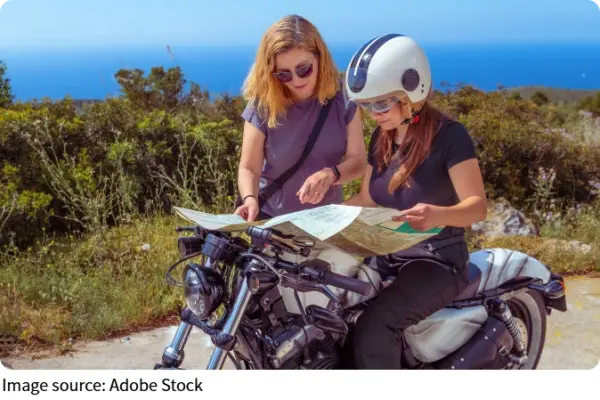
Group riders rely heavily on non-verbal cues and hand signals to communicate on the road. It's crucial that everyone in the group understands the basic signals and uses them consistently.
Before heading out, agree on a set of hand signals for things like slowing down, stopping, or indicating obstacles ahead. For example, to indicate a left turn, extend your left arm out horizontally. To signal a stop, extend your left arm downward, with the palm facing back. Practice these signals in advance so everyone can use them instinctively when needed. Clear communication keeps everyone safe and aware of changes in the group's movement.
Be Mindful of the Rider in Front
In a group, each rider's actions affect the entire pack. It's important to stay aware of the rider in front of you and anticipate their movements.
If the rider in front signals to slow down or stop, be ready to react quickly and smoothly. Avoid making sudden or sharp turns unless necessary. Maintain a comfortable distance between you and the rider ahead to give yourself enough time to stop in case they do. Try to match your speed to the group's pace without overshooting or falling too far behind. It's all about being in sync with the others.
Proper Lane Discipline
When riding in a group, lane discipline is crucial. Riders should stay in their lane and avoid weaving between lanes or making sudden lane changes without signaling.
Always use your mirrors and signals when changing lanes. If you need to overtake another rider, do so smoothly and only when it's safe. Ideally, riders should stick to the right side of the lane when possible, allowing space for other riders to maneuver within the lane. Avoid crossing the center line unless absolutely necessary. This keeps everyone in a predictable pattern and reduces the risk of collisions.
Fuel and Break Management
Group rides often involve long distances, which means you'll need to plan fuel stops and breaks to ensure no one is left behind. When riding as a group, it's important to have regular stops to refuel and stretch your legs.
Before starting the ride, discuss the route and agree on fuel stops or breaks. Stick to these scheduled stops to keep the group together and avoid the risk of one rider running out of fuel or becoming fatigued. If you need to make an unscheduled stop, signal the group and pull over safely. It's also a good idea to check everyone's fuel level before starting a ride to make sure no one's running low.
Be Respectful of Other Road Users
While group riding can be exciting, it's important to always be respectful of other road users. Riding in a group can make you feel invincible, but it's crucial to remember that you're sharing the road with others, including pedestrians, cyclists, and motorists who might not be aware of your group.
Keep your speed within the legal limit and avoid aggressive riding, especially in urban areas. Allow cars to pass when necessary, and make sure you're not blocking traffic unnecessarily. If you're riding in a tight formation, be extra cautious when passing other vehicles to avoid squeezing too closely. Always be courteous to other riders, whether they're in your group or not.
Stay Focused and Alert
The final piece of group riding etiquette is staying focused and alert throughout the ride. Distractions can cause you to miss important signals or lose track of the group's movements.
Stay off your phone and avoid unnecessary distractions while riding. Pay attention to the road, traffic signals, and the riders around you. Keep your focus sharp, and always be prepared for sudden changes in the traffic flow or road conditions. By remaining alert, you help ensure the safety of yourself and your group.
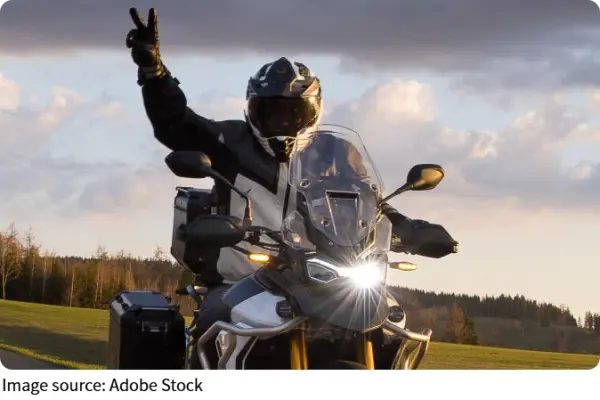
Riding in a group can be a great bonding experience for motorcyclists, but it requires awareness, communication, and respect for others on the road. By following these basic rules of etiquette—staying at your own pace, communicating clearly, and being mindful of your fellow riders—you can make group rides a positive and enjoyable experience for everyone involved. Always remember that safety comes first, and with a little preparation, you can enjoy a fun, coordinated ride with your fellow motorcyclists!