Why Bikes Dive Forward

Declan Kennedy
| 28-04-2026
 · Automobile team
Every motorcyclist has felt it: you squeeze the brake lever a bit harder than usual, and suddenly the bike’s front end dips forward.
This familiar sensation, known as brake dive, is not a mechanical flaw—it’s a natural response of physics and suspension working together.
Understanding why it happens can help riders feel more confident under hard braking and appreciate the engineering behind their machine.
Brake Dive Explained
You squeeze the brake lever a little harder than usual. In an instant, the motorcycle changes posture—the front end dips downward, the fork compresses, and your body shifts forward slightly. It's a familiar sensation for any rider, but also one that feels more dramatic than it looks on paper. That forward “nod” isn't a flaw. It's physics doing exactly what it's supposed to do.
Weight Moves Forward Instantly
The moment you apply strong braking force, the motorcycle's momentum doesn't disappear—it is transferred forward. Because the bike is moving forward and suddenly slowing, inertia pushes the mass toward the front wheel. This shift happens in a fraction of a second, but the effect is very visible. The rider, engine, and rear section all contribute to this forward load transfer. As a result, the front tire is suddenly responsible for handling a much larger portion of the total weight. That's the first reason the front dips.
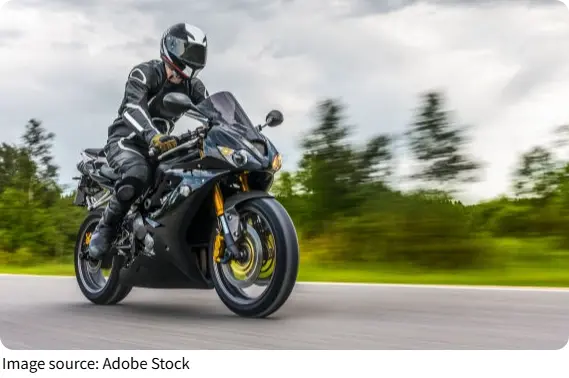
Front Fork Compression in Action
Once the weight shifts forward, the front suspension reacts immediately. The forks compress to absorb the increased load. Inside each fork tube is a combination of spring force and damping oil. When braking force pushes the bike downward, the springs compress, and the oil slows the movement to prevent bouncing. This compression is what creates the visible “dive” effect. The faster and stronger the braking, the more noticeable the movement becomes. Different bikes handle this differently depending on suspension tuning.
Suspension Tuning Changes Everything
Not all motorcycles respond the same way during braking. Suspension design plays a major role in how noticeable the front dive feels.
1. Softer suspension compresses more easily, creating a deeper dip.
2. Stiffer setups resist compression, reducing visible movement.
3. Adjustable damping systems balance comfort and stability.
Sport-oriented bikes often reduce dive to keep geometry stable during aggressive braking. Touring setups may allow more movement to prioritize comfort and road absorption.
So what you feel is not just physics—it's also the result of engineering choices.
Center of Gravity Shift
Another key factor is the bike's center of gravity. When braking, this center effectively moves forward and downward. As the weight shifts, the front tire gains grip, while the rear becomes lighter. That's why the rear wheel sometimes feels slightly loose or less planted during strong braking. This redistribution is essential for safe stopping. More load on the front tire means more braking traction where it matters most. But visually and physically, it shows up as that familiar forward dip.
Why It Feels More Dramatic Than It Is
From the rider's perspective, brake dive often feels stronger than it actually is. That's because your body is part of the system. As the motorcycle dips, your upper body continues moving forward due to inertia, amplifying the sensation. Even small suspension movements become more noticeable because you're directly connected to the machine. In reality, everything is working as intended: weight transfers forward, suspension compresses, and the tires gain grip for controlled deceleration.
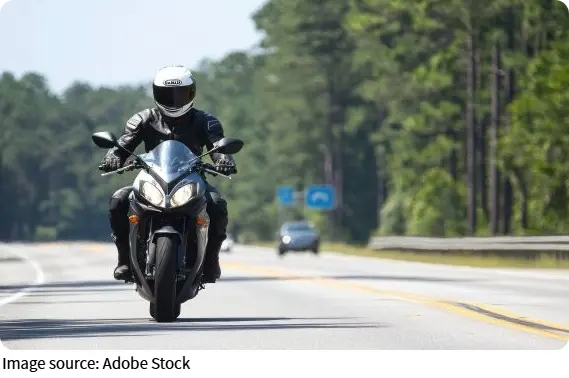
Brake dive is more than just a visual quirk—it is a carefully orchestrated interaction between momentum, suspension, and balance. Each time the front end dips, it reflects a safe redistribution of forces designed to maximize braking efficiency and control. By understanding the physics and engineering behind brake dive, riders can appreciate the subtle ways their motorcycle works with them, rather than against them, during hard braking.