Homemade Samosa Recipe

Ravish Kumar
| 23-03-2026
 · Cate team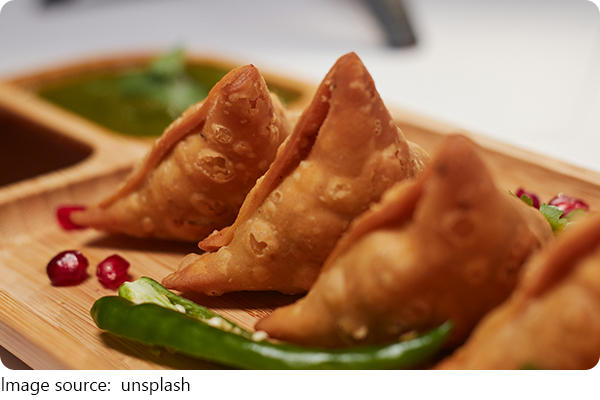
There's a unique satisfaction in biting into a homemade samosa—a golden, crisp shell giving way to tender, flavorful filling. Making samosas at home turns simple ingredients into a creative culinary project that delights both eyes and taste buds.
Beyond a tasty snack, it's an opportunity to explore textures, aromas, and the joy of cooking.
Essential Ingredients and Tools
Before beginning, gather the essentials. You'll need basic pantry items, fresh vegetables, and a few spices, along with simple kitchen tools.
1. Dough
2 cups all-purpose flour
½ teaspoon salt
¼ cup neutral oil (vegetable, canola, or sunflower)
⅓ to ½ cup water (room temperature)
2. Potato Pea Filling
4 medium potatoes (about 1½ lbs), boiled, peeled, and mashed
½ cup green peas (fresh or frozen)
1 tablespoon neutral oil
½ teaspoon carom seeds (ajwain)
1 teaspoon ginger, finely grated or minced
1–2 green chilies, finely chopped (adjust to taste)
1 teaspoon coriander powder
½ teaspoon paprika or red chili powder
¾ teaspoon salt (adjust to taste)
1 tablespoon fresh lemon juice (optional)
2 tablespoons fresh cilantro, chopped (optional)
3. For Frying
Neutral oil for deep frying (about 3–4 cups, enough to submerge samosas)
4. For Serving
Mint chutney, tamarind chutney, or yogurt
Preparing the Dough
Start with the dough. Combine flour and salt in a large bowl. Add oil and rub it into the flour until the texture resembles fine crumbs, which helps create a crisp, flaky pastry. Gradually add water and knead into a firm but pliable dough. Let it rest under a damp cloth for 15–20 minutes—relaxing the dough makes it easier to roll and shape.
Resting is a key step: relaxed dough stretches evenly without tearing, producing perfectly shaped samosas.
Preparing the Filling
While the dough rests, prepare the potato pea filling. Heat a small amount of oil in a pan and toast carom seeds until fragrant. Add ginger and chopped green chilies for a gentle kick. Stir in mashed boiled potatoes and green peas. Sprinkle coriander powder and paprika, season with salt, and mix well so every piece of potato absorbs the aromatic spices.
This mixture is the heart of the samosa, providing a flavorful contrast to the crisp pastry.
Shaping the Samosas
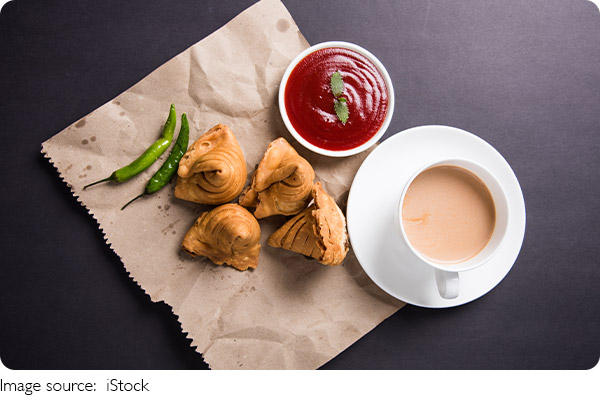
Divide the rested dough into small balls and roll each into an oval shape. Cut each oval in half lengthwise. Form a cone with one half by sealing the curved edge using a little water. Spoon 1–2 tablespoons of the potato filling into the cone and seal the open edge to form a triangle. Repeat with the remaining dough and filling.
Sealing properly ensures the filling remains enclosed during cooking.
Cooking to Golden Perfection
Traditionally, samosas are deep fried until golden. Heat neutral oil to medium temperature. Cook samosas in batches, turning occasionally, until each side is evenly golden. Drain briefly on paper towels to remove excess oil. Serve hot with chutneys like mint, tamarind, or yogurt for complementary flavors.
Maintaining consistent oil temperature is essential to achieve crisp, non greasy results.
Tips for Success
• Keep the dough firm but pliable to avoid tearing.
• Avoid overfilling cones for easy sealing.
• Fry in batches to prevent crowding and uneven cooking.
Reflection: Crafting Delicious Tradition
Homemade samosas are more than just a snack—they're an experience. Kneading dough, preparing a fragrant filling, and frying to golden perfection engages the senses and builds confidence in the kitchen. Every crisp bite celebrates simple ingredients transformed through patience and care. Sharing them with friends or enjoying them on a quiet afternoon connects us to comforting flavors and the joy of homemade food.