Balance Your Blood Sugar

Nolan O'Connor
| 10-04-2026
 · Cate team
Waking up feeling drained or crashing mid-afternoon isn't just about sleep—it often comes down to blood sugar swings.
Managing these levels with the right foods can transform your energy, mood, and overall health without complicated diets.
Understanding Blood Sugar
Balancing blood sugar starts with understanding it. After eating, glucose from food enters your bloodstream, providing energy. The hormone insulin helps cells absorb this glucose. Spikes and crashes occur when your body processes sugar too quickly, leaving you tired or craving more.
Tip: Keep a log of your meals and note how you feel afterward. This helps identify foods that cause spikes. For example, eating white bread might give a quick rush, while oatmeal provides slower, steadier energy.
Include High-Fiber Foods
Fiber slows digestion, preventing sudden glucose spikes. Foods rich in fiber keep energy stable and reduce hunger between meals.
Examples:
Lentils or beans added to salads or soups.
Vegetables like broccoli, carrots, and leafy greens.
Whole grains such as quinoa or barley.
Actionable tip: Make a hearty lentil salad for lunch to maintain steady energy through the afternoon.
Choose Low Glycemic Index Fruits
Not all fruits affect blood sugar the same way. Low glycemic index fruits release sugar slowly, supporting balance.
Examples:
Berries like blueberries, strawberries, or raspberries.
Apples and pears eaten with a handful of nuts.
Cherries or plums as an afternoon snack.
Actionable tip: Pair an apple with almond butter for a mid-morning snack that prevents energy dips.
Incorporate Healthy Fats and Protein
Fats and proteins slow digestion, stabilizing blood sugar. They also make meals more satisfying.
Examples:
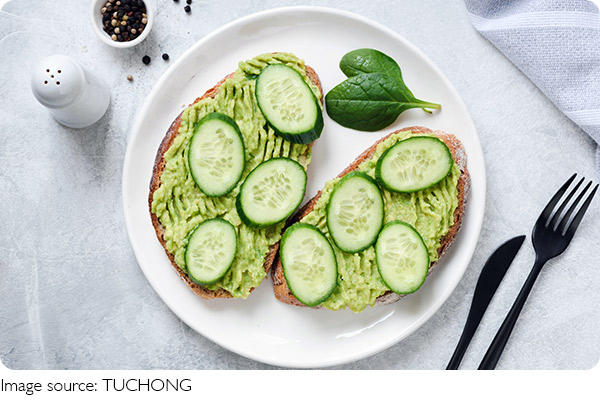
Avocado slices on toast or in salads.
Nuts and seeds sprinkled over yogurt or oatmeal.
Plant-based proteins like tofu or tempeh in stir-fries.
Actionable tip: Add roasted pumpkin seeds to your morning oatmeal to prolong energy throughout the morning.
Spices That Support Sugar Control
Certain spices can improve insulin sensitivity and slow sugar absorption.
Examples:
Cinnamon sprinkled on oatmeal or in smoothies.
Ginger added to teas, soups, or sauces.
Fenugreek seeds used in cooking or soaked overnight for a morning tonic.
Actionable tip: Stir cinnamon into your coffee or oatmeal each morning for a gentle, natural boost.

Plan Balanced Meals
Combining carbohydrates, protein, fiber, and healthy fats in each meal prevents rapid blood sugar fluctuations. Think colorful plates and variety.
Example:
Breakfast: Oatmeal topped with chia seeds, berries, and almond butter.
Lunch: Quinoa salad with chickpeas, avocado, and roasted vegetables.
Snack: Greek yogurt with nuts and a few slices of pear.
Actionable tip: Pre-plan your meals for the week. Having balanced options ready makes it easier to stick to blood sugar-friendly eating.
Hydration and Lifestyle
Lifestyle habits such as hydration, physical activity, and sleep all play a role in blood sugar regulation. According to the American Diabetes Association, regular physical activity helps the body use insulin more effectively and improves blood glucose control.
Research highlighted by the Centers for Disease Control and Prevention also notes that even light activity after meals, such as walking, can help lower blood sugar levels by helping muscles use glucose more efficiently.
In addition, sleep experts report that insufficient sleep can negatively affect glucose metabolism, while proper hydration supports overall metabolic function.
Tip: Take a 10–15 minute walk after lunch to prevent afternoon slumps.
Managing blood sugar isn't about strict restrictions—it's about smart choices that fit your life. By including fiber, healthy fats, protein, and low-glycemic fruits, you can enjoy meals that keep you energized and balanced. Small adjustments today lead to steadier energy, better mood, and long-term health.