Eat to Boost Immunity

Chandan Singh
| 14-04-2026
 · Cate team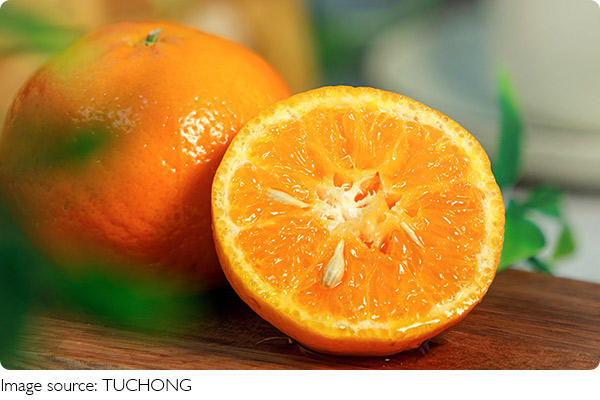
You don't feel your immune system working. It's quiet, constant, and invisible—until something goes wrong. A scratchy throat, a sudden chill, that familiar heavy feeling behind your eyes. That's usually when people start paying attention. But the truth is, immunity isn't built in a single moment. It's shaped every day, bite by bite.
What you eat becomes the raw material your body uses to protect you. Not in dramatic ways. In small, steady ways that add up. Eating for immunity isn't about magic ingredients. It's about choosing foods that give your body what it needs to respond, repair, and recover.
The Building Blocks of Defense
Your immune system relies on three main supports:
- Vitamins that guide cell function
- Minerals that help reactions happen
- Fiber that keeps your inner ecosystem balanced
Without these, your body works harder to do the same job. Vitamin C helps immune cells move quickly. Zinc supports healing. Fiber feeds the helpful bacteria that train your immune response. You don't need pills for these. They live in everyday foods. The goal isn't perfection. It's consistency.
Bright Fruits That Do Real Work
Color is a clue.
- Citrus fruits offer vitamin C
- Berries bring protective compounds
- Kiwi supports daily cell repair
These fruits don't just taste fresh. They help immune cells communicate and respond.
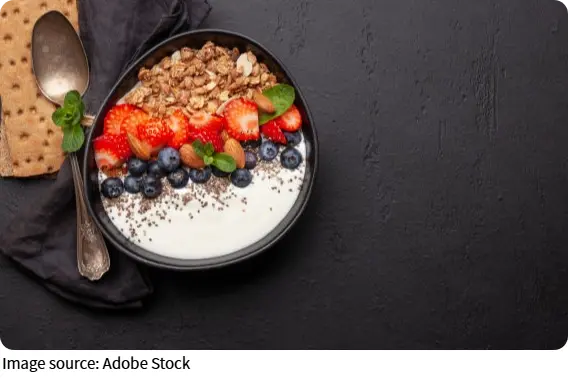
An easy habit: add one bright fruit to your first meal of the day. Slice an orange. Toss berries into yogurt. Blend a kiwi into a smoothie.
It takes less than a minute, but your body uses those nutrients all day.
Greens That Strengthen from Within
Leafy greens are quiet powerhouses.
- Spinach supports cell growth
- Kale offers vitamin A for surface defenses
- Arugula adds minerals that guide immune signals
These greens help protect the barriers where germs first try to enter—your skin, throat, and digestive tract.
Try this: keep washed greens in a container at eye level in your fridge. Add a handful to eggs, soups, or bowls.
When greens are visible, they're used more often.
Seeds and Nuts for Daily Support
Small foods can have big impact.
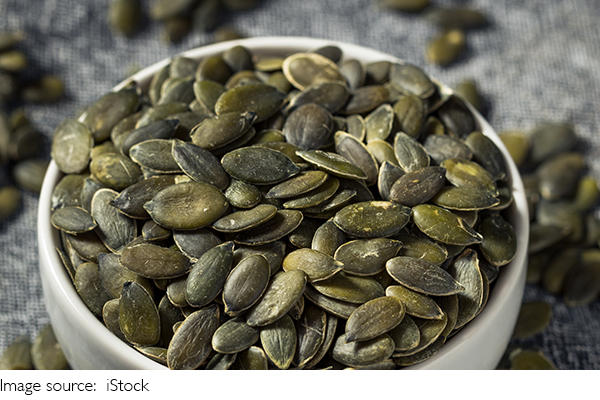
- Pumpkin seeds provide zinc
- Almonds bring vitamin E
- Sunflower seeds add immune-friendly oils
These nutrients help immune cells stay strong under stress.
Keep a small jar near your workspace. Add a pinch to salads, oats, or fruit bowls. They require no prep and travel easily.
This kind of addition feels tiny, but it's steady—and steady is what your body responds to.
Whole Grains and Gut Strength
A large part of your immune system lives in your digestive tract. The bacteria there help teach immune cells what's safe and what isn't.
Whole grains support that system.
- Oats feed helpful microbes
- Brown rice offers slow energy
- Quinoa provides fiber and structure
These grains create an environment where good bacteria thrive.
Cook a batch once. Use it across the week. Warm it with fruit in the morning or pair it with vegetables later.
Your gut doesn't need variety every day. It needs reliable fuel.
Fermented Foods and Balance
Some foods bring living cultures.
- Yogurt supports digestion
- Kefir offers gentle probiotics
- Fermented vegetables add diversity
These help maintain balance inside your digestive system, which directly affects immune response.
Add a small portion to one meal a day. A spoon with lunch. A side with dinner.
You're not flooding your system. You're nudging it in the right direction.
Putting It Together Simply
You don't need to overhaul your meals. You need patterns.
- Add fruit to your first meal
- Include greens in one warm dish
- Sprinkle seeds once a day
Choose whole grains when you can
That's it.
Over time, this leads to:
Fewer energy dips
Stronger daily resilience
Faster recovery
Not because any single food is special, but because your body finally has what it needs to do its job.
What Changes Feel Like
You might notice fewer afternoon slumps. A quicker bounce-back after long days. A general sense that your body handles stress better.
These aren't dramatic shifts. They're quiet improvements that make life smoother.
Immunity isn't about never getting tired or never feeling off. It's about giving your body the tools to respond.
Every meal is a chance to help it do that.
You don't need perfect choices. You need repeatable ones. A handful of greens. A slice of fruit. A scoop of grains.
Small food choices, made often, become strength you don't have to think about. And that's the kind of protection that lasts.