Mediterranean Heart Boost

Sofia Alvarez
| 23-03-2026
 · Cate team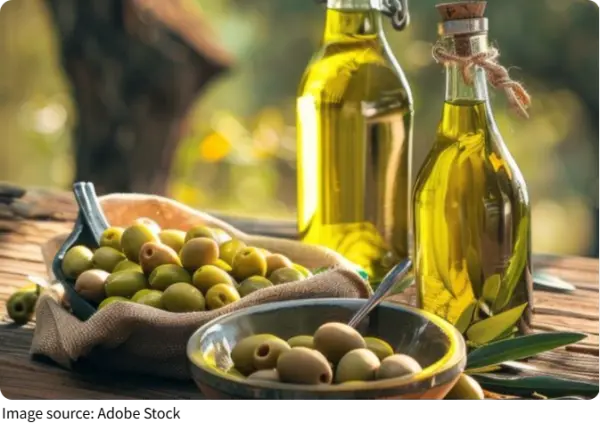
A friend once told me their doctor didn't give them a long lecture about heart health. Instead, they were handed a short note: “Cook with olive oil. Eat more plants. Slow down at meals.” It sounded almost too simple.
That's the heart of the Mediterranean way of eating. It isn't a strict plan or a list of forbidden foods. It's a pattern built around everyday ingredients that support your heart without making meals feel like medicine. This style of eating works because it's gentle, consistent, and easy to live with. It feeds your body in ways that reduce strain on your heart over time—one meal at a time.
Why This Way of Eating Works?
Heart health depends on three things:
Stable energy for blood flow
Flexible blood vessels
Low background stress inside the body
According to dietitians at the Mayo Clinic, Mediterranean-style diets focus on whole, minimally processed foods and healthy fats like olive oil, which can help reduce cholesterol levels and lower risk factors for cardiovascular disease.
Instead of chasing trends, this approach builds habits your body can rely on.
Olive Oil: The Daily Foundation
Olive oil is more than a cooking oil. It's a heart-friendly base.
It supports healthy blood flow
It replaces harsher cooking oils
It carries plant nutrients into your body
Use it where you'd normally reach for something heavier. Drizzle it on warm vegetables. Stir it into grains. Brush it onto bread before warming.
A simple habit: keep a small bottle on your counter. When it's visible, it becomes your default.
Vegetables That Protect
Vegetables form the backbone of every Mediterranean table.
Tomatoes support vessel function
Leafy greens help regulate pressure
Eggplant and peppers offer natural antioxidants
These foods help keep blood pathways flexible and calm.
Actionable idea: build one “vegetable anchor” each day. Roast a tray of mixed vegetables in the evening. Use them in wraps, bowls, or warm plates over the next two days.
Your heart benefits from volume, not perfection.
Whole Grains for Steady Energy
Refined grains spike energy and fade fast. Whole grains release it slowly.
Oats stabilize morning energy
Barley supports digestion
Farro adds texture and fiber
This steady release reduces stress on your system and keeps your heart rhythm smoother.
Cook once, use often. Make a base grain on Sunday. Pair it with vegetables and herbs through the week.
Your meals become faster—and better for you.
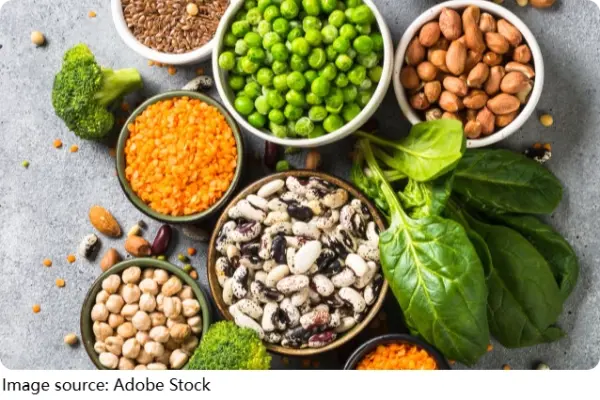
Legumes: Quiet Strength
Beans and lentils are humble, but powerful.
They provide plant protein
They balance blood sugar
They support gut health
A healthy gut reduces inflammation, which directly affects heart strain.
Add them gradually. Stir lentils into soups. Toss chickpeas with olive oil and warm spices. Blend white beans into spreads.
They're filling without being heavy.
Nuts and Seeds in Small Doses
A small handful goes a long way.
Walnuts support circulation
Almonds add gentle energy
Seeds bring minerals that guide heart rhythm
They're best used as accents, not centerpieces.
Sprinkle them over vegetables or grains. Add them to morning bowls. Keep a small container nearby for easy use.
Consistency matters more than quantity.
Herbs Instead of Heavy Seasoning
Fresh herbs change how food feels.
Basil brightens warm dishes
Rosemary adds depth
Parsley refreshes every plate
They reduce the need for heavy sauces and make simple food feel complete.
Keep one herb growing near your window. Snip a few leaves before meals. It becomes a ritual, not a task.
How It All Comes Together
A Mediterranean-style day might look like this:
Oats with fruit and seeds
Grain bowl with vegetables and olive oil
Lentil soup with herbs
Warm vegetables with bread
Nothing fancy. Nothing strict.
Over time, this leads to:
Lower daily strain
Smoother energy
Stronger long-term balance
Your heart doesn't ask for dramatic change. It asks for steady care.
You don't need a new identity or a perfect plan. You need a few reliable foods and the habit of returning to them.
Each meal becomes a quiet vote for your future. And the best part? It still tastes like real life.