Freezing & Food Preservation

Finnegan Flynn
| 30-03-2026
 · Cate team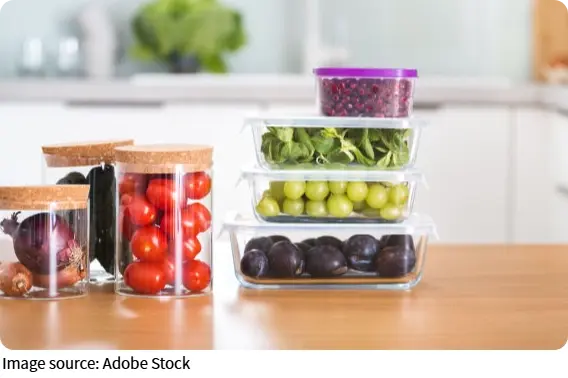
When we think about freezing food, we often imagine saving time or reducing waste. Freezing is a common preservation method that extends the shelf life of food, allowing us to keep it fresh for longer.
However, freezing isn't as simple as popping food into a cold environment and hoping for the best. It changes the structure of food in ways that can affect its taste, texture, and even nutritional value.
For example, fruits and vegetables freeze well because they contain a lot of water. But freezing causes the water inside them to expand, potentially breaking down cell walls. This can result in a mushy texture once the food is thawed. So, if you've ever noticed that your frozen spinach looks a little less fresh after defrosting, that's why.
Tip: To minimize texture loss, blanch vegetables before freezing them. This process involves briefly boiling the food and then placing it in ice water to stop cooking. This helps preserve their flavor, color, and texture when frozen.
How Freezing Affects Nutrition
Freezing is generally good at preserving the nutritional value of food, but it's not foolproof. Vitamins like vitamin C and folate are sensitive to heat and light, so prolonged exposure to either can degrade their levels. However, freezing food immediately after harvest preserves these nutrients much better than letting them sit out at room temperature.
As Jillian Kubala, RD, notes, “Frozen fruit is just as nutritious as fresh fruit and may be higher in vitamins C and E.” This highlights that freezing can maintain or even enhance certain nutrients compared with fresh produce that may have been transported or stored for longer periods.
It's not just about freezing time; the method of freezing matters. For instance, flash-freezing, which quickly freezes food at very low temperatures, helps maintain the integrity of nutrients much better than standard freezing methods.
Actionable Tip: If you're looking to maximize nutritional retention, try freezing your food as soon as possible after purchase or harvest.
What About Preserving Without Freezing?
Not all preservation methods rely on freezing. Drying, pickling, and canning are other popular options. While these methods can also preserve food for months or even years, they come with their own set of challenges. Drying, for example, can sometimes deplete food of both flavor and nutrients, especially if done incorrectly.
Pickling foods in vinegar or brine may add sodium and alter the natural taste, while canning can lead to a loss of certain heat-sensitive vitamins. Each preservation method has its strengths and weaknesses, depending on the type of food being preserved and the desired outcome.
Tip: If you're preserving food through drying, consider using a food dehydrator rather than air drying. Dehydrators control temperature and airflow, leading to better flavor and texture retention.
How Freezing and Storing Impacts Taste
Freezing can have a noticeable impact on the taste of food. Freezing tends to dull the natural flavors, especially if food is stored for too long. For example, frozen strawberries may taste a little bland or watery after defrosting. On the flip side, freezing can also concentrate certain flavors, especially for items like tomato paste or soups that you may store for later use.
Proper storage plays a huge role in maintaining food's flavor. Foods with strong flavors, like garlic or herbs, can absorb odors from the freezer if not sealed tightly, leaving you with an unappealing taste when defrosted.
Actionable Tip: Store your food in airtight containers to lock in flavors and prevent freezer burn, which can negatively affect taste.
The Tradeoff: Convenience vs. Quality
The most obvious benefit of freezing and preserving food is convenience. It saves you time, money, and effort by allowing you to store large amounts of food for future use. But this comes with a tradeoff in terms of quality. Fresh foods typically offer the best flavor and texture, but they have a short shelf life. Freezing and preserving let you extend that window, but not without sacrificing some of the freshness.
That said, frozen and preserved foods still have a lot to offer. For example, you can enjoy seasonal fruits and vegetables all year round, without worrying about spoilage. Additionally, preserving food can help you minimize food waste, as you can store leftovers and unused ingredients for future meals.
Tip: If you're aiming for the best taste, freeze your food when it's at peak ripeness. This helps maintain its flavor profile when thawed.
Conclusion: The Right Method for Your Needs
In the end, freezing and preserving food is a personal choice based on convenience, taste, and long-term storage needs. There's no one-size-fits-all answer, and it's all about finding the right balance between convenience and quality. Whether you're freezing food to save time or preserving it to enjoy during off-seasons, the key is to know how to do it properly.
Reflect: Don't be afraid to experiment with different preservation methods. If you're trying to avoid some of the texture and taste changes that come with freezing, why not try drying or pickling for a new twist on old favorites?