Sunny Orange Jam

James Carter
| 26-03-2026
 · Cate team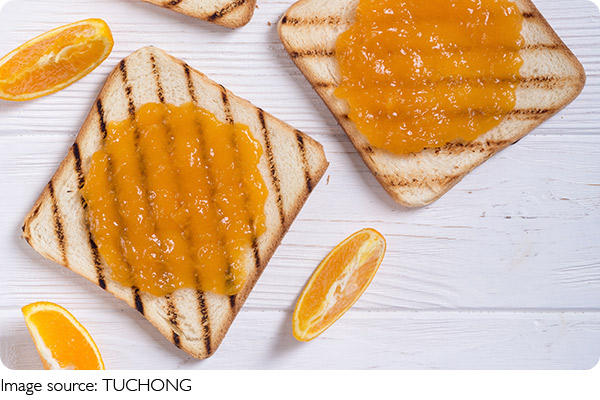
Let’s talk about a little breakfast hero: orange jam. It’s sweet, tangy, and perfect for toast, yogurt, or even pancakes. We love making it ourselves because the flavor is fresher, and we can control the sweetness.
Unlike store-bought versions, homemade jam is full of natural juices and a hint of orange zest aroma that lifts every bite. Today, we’ll guide you through every step, including ingredients and measurements, so you can make your own batch easily.
Ingredients You’ll Need
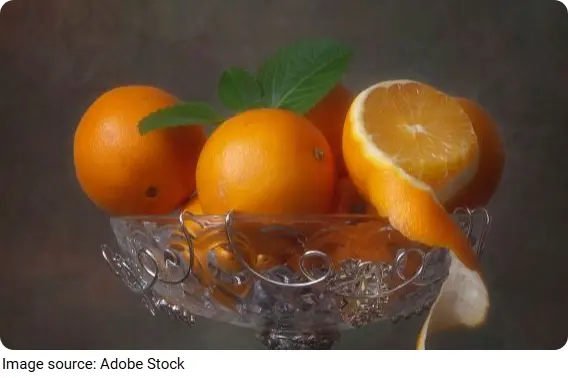
- 4 medium oranges (about 800g)
- 100g sugar (adjust based on sweetness of oranges)
- 1 lemon (juice only, about 2 tablespoons)
- 1 teaspoon orange zest (grated yellow part only)
- Optional: thin strips of orange peel for extra texture and aroma.
We’ll be working in a medium-sized heavy-bottomed or non-stick pan to cook the jam evenly and prevent burning.
Step 1: Prepare the Fruit
- Wash the oranges thoroughly to remove any residues.
- Peel the oranges, removing the white pith and seeds, leaving only the juicy segments.
- Grate 1 teaspoon of the yellow orange zest for extra aroma. Cut some zest into thin strips if desired.
- Squeeze the lemon to get about 2 tablespoons of juice. This will balance the sweetness and add a fresh tang.
Step 2: Slice and Marinate
- Cut each orange into quarters or thin slices.
- Place the orange pieces in your pan. Add 100g sugar and the lemon juice.
- Gently mix and let the mixture sit for at least 30 minutes. The oranges will release their natural juice, creating a syrup without needing extra liquid.
- Taste after marinating—if the oranges are very sweet, reduce sugar next time.
Step 3: Cook the Jam
- Turn the stove to low heat. Add the orange zest or thin strips.
- Stir occasionally to prevent sticking. The mixture will bubble and thicken as the water evaporates.
- Cook slowly for about 30–40 minutes until the jam reaches a syrupy consistency—similar to honey, but not caramelized.
- If you want a smoother jam, lightly mash some orange segments while cooking.
Step 4: Check Consistency and Jar
- When the jam is thick enough to coat a spoon, turn off the heat.
- Make sure your glass jars are pre-sterilized by boiling or baking them briefly.
- Carefully pour the jam into the jars. Leave a small gap at the top (about 1 cm).
Step 5: Seal and Store
- Close the jars tightly and flip them upside down until fully cooled. This ensures a good seal.
- Unopened, the jam can last up to a year at room temperature.
- Once opened, store in the fridge. If a thin layer forms on top, simply remove it and re-boil the jam—no risk, since it’s fruit-based.
Step 6: Enjoy and Serve
We love spreading this orange jam on toast, pairing it with yogurt, or drizzling it over desserts. While eating fresh oranges gives the most vitamin C, this jam is a tasty alternative to add variety. Try switching between sweeter and tangier batches depending on your mood. Every spoonful is like a little burst of sunshine in our day!
Quick Tips for Perfect Jam
- Use a thick-bottomed pan for even cooking.
- Stir gently but regularly.
- Adjust sugar according to orange sweetness.
- Gradually add lemon juice and zest to taste.
- Always use sterilized jars for storage.
Final Thoughts
Making orange jam is more than just a recipe—it’s a small, joyful activity we can enjoy together. From selecting fresh oranges to tasting that first spoonful, every step is satisfying. We hope this guide inspires you to create your own homemade jam, adding color and flavor to your mornings. Don’t forget to share it with friends or family—they’ll love the taste as much as we do. Cooking can be simple, fun, and delicious, and with a little care, our homemade orange jam will bring sunshine to every breakfast we share!
Orange Jam | Homemade Orange Jelly Recipe | Yummy
Video by Yummy