Creative Vision

Raghu Yadav
| 20-03-2026
 · Travel team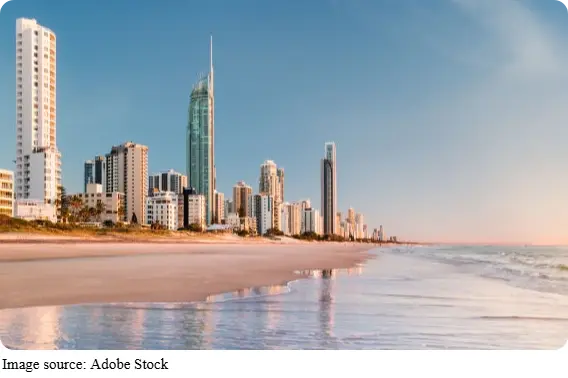
The beach is a natural studio for artists and photographers because of its ever changing light and atmosphere.
One of the most celebrated times to shoot is known as the golden hour — the hour after sunrise and before sunset when the sun sits low on the horizon, casting warm, soft light that enhances colours and shapes.
Photographers seek this light because it smooths harsh shadows and deepens the hues of water, sand and sky.
This light doesn't just flatter landscapes; it transforms them. Warm golden tones can make ordinary wave crests glow, reveal intricate sand patterns, and highlight subtle colour gradations in wet and dry terrain.
Paying attention to how sunlight hits the beach — from soft morning glows to glowing evening warmth — gives both painters and photographers material that feels alive with emotion and texture.
Colour as Creative Fuel
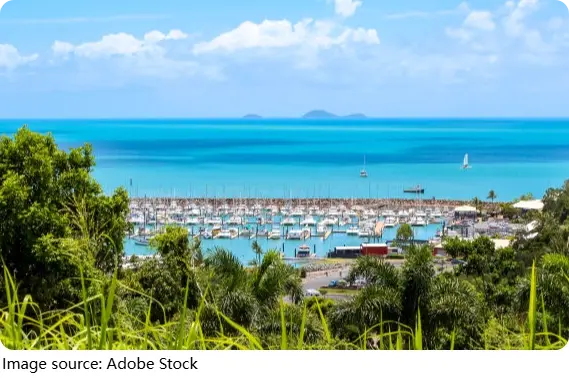
Colour is one of the most inspiring elements at the beach. The interplay of turquoise water, white sand, and shifting skies offers a rich palette. Artists can draw on the contrast between warm and cool hues — like amber highlights on sand and deep blues in the sea — to build compositions that feel dynamic and balanced. Careful colour observation makes photos and paintings pop with visual energy.
Climate and weather also alter colour dramatically: overcast conditions might mute tones but introduce dramatic grey blue contrasts, while sunlight breaking through clouds can create bursts of warmth against cooler shadows. These dynamic shifts offer photographers a chance to experiment with tonal contrasts and saturation in post production or on the canvas.
Exploring Texture & Perspective
A beach offers endless textures — rippled sand left by receding waves, glistening wet footprints, wind carved dunes and tidal pools that reflect the sky like a mirror. Compositional creativity involves recognizing these textures and using them to anchor a scene. Close ups of intricate sand patterns or tidal reflections can be as compelling as wide angle seascapes.
Varying your perspective — from low to high, close to distant — also changes how you capture the environment. Low angles can emphasize sand texture and foreground details, while aerial or distant views showcase sweeping light and colour fields. A variety of viewpoints encourages creativity and expands what can be expressed from a single location.
Techniques That Inspire Art
Beaches aren't just visually inspiring; the technical challenges they present help artists grow. Photographers learn to adjust exposures to manage bright sand and reflective water, balance highlights and shadows, and experiment with shutter speeds for motion effects in waves. Painters may focus on how light breaks across the horizon or how reflections change with tide and cloud movement.
This experimentation feeds artistic sensitivity. For example:
1. Use reflections in wet sand to create mirror like compositions
2. Shoot at golden hour for warm, saturated colours
3. Explore low or high perspectives to accentuate texture
4. Try slow shutter speeds to render smooth water motion
5. Look for natural frames such as rocks, shells, or vegetation
6. Capture cloud formations for dramatic skies
Creative Reflection
Walking along the shoreline, listening to the rhythmic rush of waves and observing light shift across sand and water can spark deeper creative thought. The beach doesn't just offer scenery—it provides a sensory experience that stimulates imagination. Whether you're composing a photograph, painting a seascape, or jotting down poetic impressions, the combination of light, colour and texture at the beach invites artists to see familiar scenes with fresh eyes.
At the end of a day spent with camera or brush, reflecting on how these natural elements influenced your process becomes part of the artwork itself — a story about experiencing the world, not just capturing it.