Visiting the Matterhorn

Arvind Singh
| 18-03-2026
 · Travel team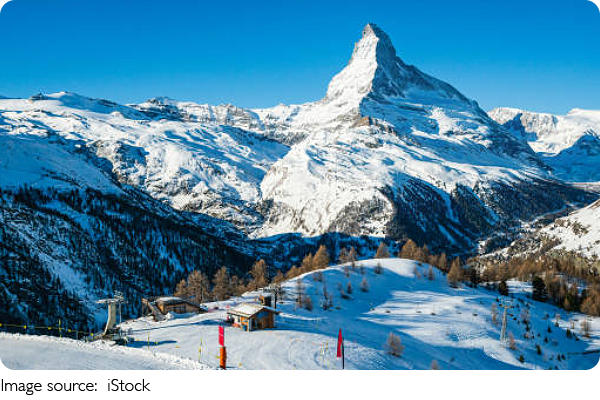
Rising sharply against the alpine skyline, the Matterhorn is one of the world's most famous mountains — a towering peak that has captivated travelers, photographers and mountaineers for more than a century.
Standing at 4,478 meters, this pyramidal summit is a symbol of Swiss mountain beauty and a highlight of the Valais region. Whether you come to admire the views, enjoy the mountain environment, or take part in outdoor activities, thoughtful planning enhances every moment of your visit.
Matterhorn
Where the Matterhorn Is and How to Get There
The Matterhorn overlooks the car free village of Zermatt, located in the canton of Valais in southwestern Switzerland.
Getting to Zermatt:
• By train: Zermatt is most easily reached by rail. Travelers coming from major cities such as Geneva or Zurich can take Swiss Federal Railways (SBB) trains to Visp or Brig, then change for a scenic branch line to Zermatt.
• By car: Private cars are not permitted in Zermatt itself. If you bring a car, you must park in Täsch (about 12 minutes away) and take a shuttle train into Zermatt village.
• Local transit: Once in Zermatt, electric buses, e taxis and walking are the main ways to get around the village.
Zermatt's train connectivity makes it a convenient base for exploring the Matterhorn area even without a car.
Best Ways to Experience the Matterhorn
Seeing the Matterhorn up close doesn't always require climbing — there are scenic ways to experience its grandeur suitable for many interests and abilities.
1. Gornergrat Railway
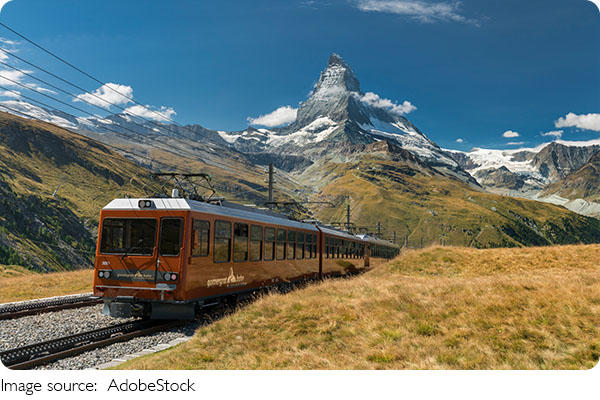
A historic cogwheel train climbs from Zermatt to Gornergrat (3,089 m) where panoramic platforms provide 360 degree views of the Matterhorn and surrounding alpine peaks.
2. Matterhorn Glacier Paradise
From Zermatt, cable cars and lifts take visitors to Klein Matterhorn (3,883 m), the highest cable car station in Europe. A viewing platform and ice palace greet you at the top with wide angle mountain vistas.
3. Sunnegga and Rothorn
For bright morning views, the Sunnegga funicular and Rothorn lifts offer accessible lookouts over the valley and peak.
4. Hiking Trails
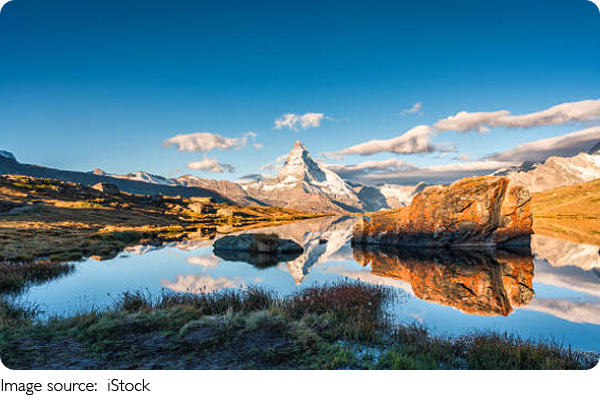
Marked paths such as the Matterhorn Glacier Trail and the 5 Lakes Walk offer rewarding hikes with scenic landscapes and reflections of the Matterhorn in alpine lakes.
Costs and Travel Logistics
Transportation and Tickets:
• Cogwheel train (Zermatt–Gornergrat): Round trip fares vary seasonally but typically range from ~$95 – $105 per person.
• Cable car to Klein Matterhorn: Return fares are usually ~$99 – $125 but can be lower in the afternoon.
• Täsch parking: Parking near Täsch station costs roughly $16 – $20 per day before taking the shuttle into Zermatt.
Accommodation (Approximate USD Nightly):
• Guesthouses/B&Bs: ~$120 – $200
• Mid range hotels: ~$200 – $300
• Upscale alpine hotels: ~$300 +
Hotel rates in Zermatt swirl with the seasons — summer and winter peak months often see higher prices due to hiking and snow activities.
Seasonality and What to Expect
The Matterhorn area offers distinct experiences depending on the time of year:
Summer (June–Sept):
• Hiking and walking trails are open and well marked.
• Lakes reflect the mountain's silhouette, especially in the early morning.
• Cable cars and railways run regular seasonal schedules.
Winter (Dec–Apr):
• Snow blankets the slopes and lifts operate for winter sports and snow trails.
• The Glacier Paradise area allows winter visits even during colder months.
Weather in alpine terrain changes quickly. Visitors planning outdoor experiences should check the latest conditions and transport timetables in advance.
Cultural and Scenic Highlights Near Zermatt
While the Matterhorn dominates the skyline, Zermatt village and its surroundings offer a range of memorable experiences:
• Matterhorn Museum: Explore local history and the story of the first ascent, including artifacts and exhibits related to alpine heritage.
• Historic Village Centre: Traditional wooden houses and quiet lanes show Valais mountain culture.
• Charles Kuonen Suspension Bridge: A striking footbridge near Randa offers views along a dramatic valley gorge.
Walking the local paths or simply enjoying a café terrace with the Matterhorn in view are experiences travelers treasure most.
Reflections on the Majesty of the Matterhorn
The Matterhorn's distinctive shape and alpine presence have made it a star of postcards and travel dreams alike. Its peak soared into mountaineering lore after the first ascent in 1865, a moment that helped launch alpine climbing into global consciousness.
Visiting the Matterhorn region is more than ticking a box on a travel list — it's about standing before nature's grandeur and feeling the scale of time and elevation around you. For many, the memories of sunrise shadows on ice, quiet high mountain trails, and the reflective calm of alpine lakes endure long after the trip ends.
Each traveler's experience is unique, but all share a sense of awe in the face of a peak that has inspired generations and remains one of Switzerland's most unforgettable landmarks.