As Catedrais Beach

Amina Hassan
| 19-03-2026
 · Travel team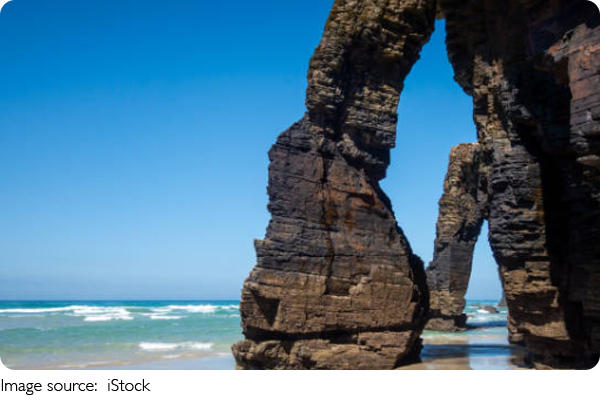
As Catedrais Beach — also known as Playa de las Catedrales or Praia das Catedrais.
Is a breathtaking stretch of sand on Spain's northern Atlantic coast, near the town of Ribadeo in the province of Lugo, Galicia.
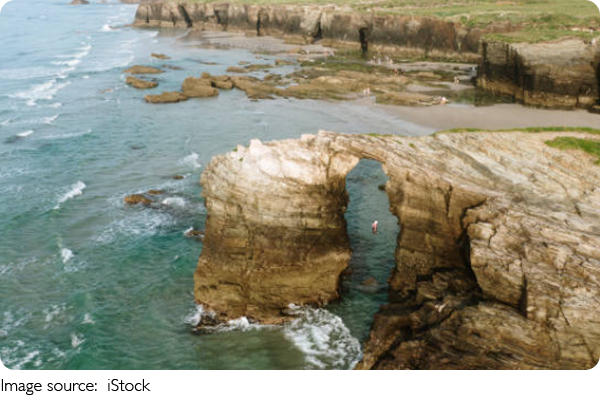
Its coastline is sculpted by wind and sea into enormous stone arches, caves, and cathedral like formations that are only fully visible during low tide, drawing visitors from around the world who want to experience this geological marvel up close.
The beach has been declared a Natural Monument and stands out as one of the most remarkable natural coastal landscapes in Spain, with towering rock shapes that resemble the buttresses, arches, and columns of grand cathedrals.
Playa de las Catedrales
Getting There and Access Requirements
As Catedrais Beach lies about 10 km west of Ribadeo on the Cantabrian coast. The nearest train station is Esteiro, about a 15 minute walk from the beach — a convenient option if you prefer to avoid parking congestion.
During the peak season (Spring Break Week and July 1–September 30), you must secure a free access permit to walk down onto the sandy beach. These permits are issued by the regional government and help balance visitor numbers and environmental protection.
You can also use a shuttle bus service from Ribadeo station during summer months, which guarantees your beach visit without needing a separate permit. The tickets or receipts from the shuttle are accepted as access authorization.
Outside of these high demand periods, no permit is required — but access still depends on the tide. Nearly the entire beach is covered at high tide and becomes reachable only when the tide recedes.
What to See and Do
The key attraction is the spectacular rock formations and arches carved by the ocean over millennia. When the tide is low, visitors can walk along the sandy shore and explore caves and natural corridors framed by towering cliffs.
Highlights include:
1. Cathedral like Arches
As the tide falls, massive rock arches standing up to tens of meters tall emerge, creating dramatic views and corridors that invite exploration and photography.
2. Caves and Sea Gates
Deep sea caves and passageways become accessible on foot at low tide — visitors often enter these geological features on a self guided walk, mindful of tide timing.
The dynamic tidal conditions mean that at high tide these formations are largely submerged, and all that remains is a narrow band of shoreline. Planning your visit around low tide is essential to make the most of the beach.
Practical Tips for Visiting
Tide Planning & Safety
Always check local tide schedules before your visit. The landscape changes dramatically with the tide, and the best time to walk under arches and into caves is usually a couple of hours around low tide.
Footwear and Clothing
Rocky surfaces and uneven terrain mean sturdy walking shoes or water shoes are recommended, especially if you plan to explore deeper into the coves.
Facilities & Services
Basic amenities such as toilets and showers are available near viewpoint areas, but there are no shops or cafés near the beach itself, so bring water and snacks for your visit.
Where to Stay and Visitor Costs
Most visitors base themselves in Ribadeo or nearby coastal towns. Accommodations vary from smaller inns and guesthouses to mid range hotels. In peak season, expect nightly rates to range approximately $120–$250 USD at popular options in Ribadeo, depending on booking timing and room type.
Public or private transport options include car rentals, local buses, and taxi services from Ribadeo; sizable free parking areas are near the main beach access, but they fill early in high season.
Reflection on Timeless Coastal Beauty
As Catedrais Beach is more than just sand and sea — it is a place where geological time and ocean motion have collaborated to create structures that seem both ancient and awe inspiring. Seeing the stone arches rise during low tide feels like witnessing a natural cathedral opening its doors, a reminder of how nature crafts wonders far beyond human design.
Visiting here teaches patience and respect for natural rhythms, as tides dictate not just access but how the beach presents its beauty. In these rhythms, there is a quiet lesson about the ebb and flow of all things majestic in the natural world.