The Rise of Rail Adventures

Mukesh Kumar
| 20-03-2026
 · Travel team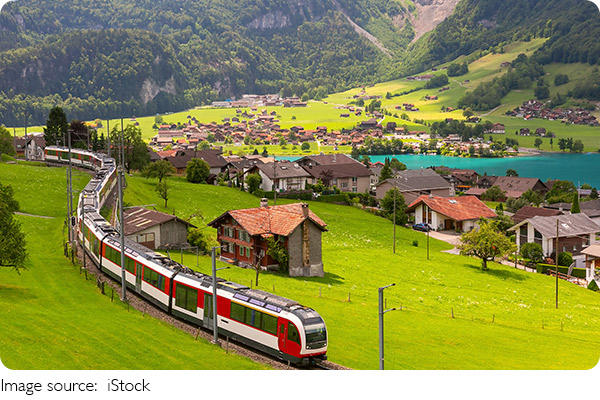
The first time I stepped onto a panoramic train, the world outside the window felt almost too cinematic to be real. Snowfields unfurled like white silk, villages appeared then disappeared like whispered stories, and the rhythm of the tracks set a pace that urged me to slow down. Around me, travelers weren't rushing to their next destination—they were savoring the act of getting there.
That's the magic behind the new wave of experiential rail travel, where the journey is the highlight, not the footnote. Below, we'll explore two of the world's most iconic scenic routes—and why they're winning over modern travelers who crave nostalgia, landscape, and storytelling in one.
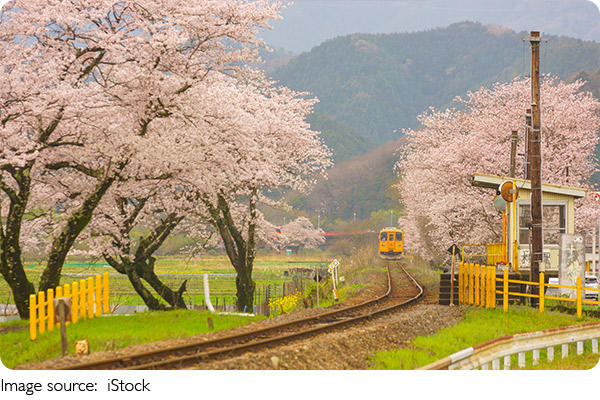
1. Japan's Seven Stars: A Train That Travels Through Time
Kyushu's Seven Stars isn't just a train; it's a moving ode to craftsmanship and local heritage. Launched in 2013, this luxury rail experience was designed to revive slow travel culture while showcasing the island's traditions, artisans, and landscapes.
Route highlights and scenery
The typical 2-day or 4-day itineraries weave through Kyushu's rolling mountains, steaming hot-spring towns, and serene coastlines. Guests often pass volcanic peaks, quiet farming villages, and bays that reflect the sky like glass.
History and cultural significance
The train's name references Kyushu's seven prefectures, and the interior celebrates regional artisans—woodworkers, textile makers, ceramicists—whose work appears in the décor. Every lounge, suite, and corridor feels like a curated gallery of Kyushu's identity.
Practical details for travelers
Tickets generally range from USD 3,600–10,000 depending on duration and suite type. Departures begin at Hakata Station, which is easily reached by domestic flights or high-speed rail. Trips sell out months in advance, and reservations are made through a lottery system, so planning ahead is essential.
What makes Seven Stars unforgettable isn't only luxury—it's how the train feels like a cultural storyteller in motion, offering a rare view of rural Kyushu that most visitors never see.
2. Switzerland's Glacier Express: The Slowest Fast Adventure
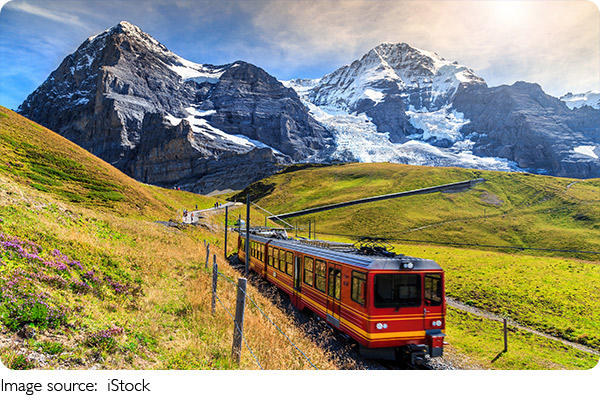
Often called the "slowest express train in the world," the Glacier Express delivers a front-row seat to the Swiss Alps without requiring mountaineering skills or weeks of hiking. Operating since 1930, it connects the resort towns of Zermatt and St. Moritz through a full-day journey of untouched landscapes.
Route highlights and scenery
Passengers glide across the Landwasser Viaduct, pass deep valleys carved by ancient ice, and watch alpine villages tucked under steep cliffs. The panoramic windows stretch up to the roof, framing glaciers and peaks as if they were part of a moving exhibition.
Best time to ride
Winter offers postcard-perfect snow views, while summer reveals green meadows and bright lake reflections. For the clearest scenery, June to September is ideal.
Tickets and travel logistics
Seat reservations are required and cost around USD 30–50, while the ticket itself ranges from USD 160–200 depending on class and season. Both Zermatt and St. Moritz are accessible via Switzerland's SBB network, making the Glacier Express simple to connect from major cities.
The Glacier Express doesn't try to rush you. Instead, it celebrates the luxury of slowness as it carries you through landscapes shaped by centuries.
Why Experiential Train Travel Is Booming?
This new passion for rail adventures isn't just nostalgia—several traveler trends are fueling it.
A desire to disconnect from airports and crowds
Train journeys remove the stress of tight security lines and tight schedules. The rhythm of long-distance rail encourages unwinding, reading, or simply staring out the window without distractions.
An appreciation for storytelling and heritage
Many rail routes preserve regional history—old engineering feats, heritage stations, classic carriages—allowing travelers to engage with a place's past while watching its present pass by.
A more sustainable style of sightseeing
Long scenic trains often have lower environmental impact per traveler compared with short-haul flights, making them attractive for slow-travel enthusiasts.
Rail journeys are beautifully contradictory: unhurried but exciting, old-fashioned but freshly relevant.
A Journey That Changes How You See Travel
The rise of immersive rail travel hints at something deeper—a quiet rebellion against rushed itineraries and destination-checking. When you sit in a train car watching villages slip by, you feel a different kind of connection to the world, one that can't be replicated from the window of a plane or the speed of a highway. Maybe that's why travelers are returning to these classic routes: not for faster travel, but for richer stories. And sometimes, the most memorable story is the one that unfolds slowly, mile by mile, across the tracks.