Mastering Northern Lights

Santosh Jha
| 18-03-2026
 · Travel team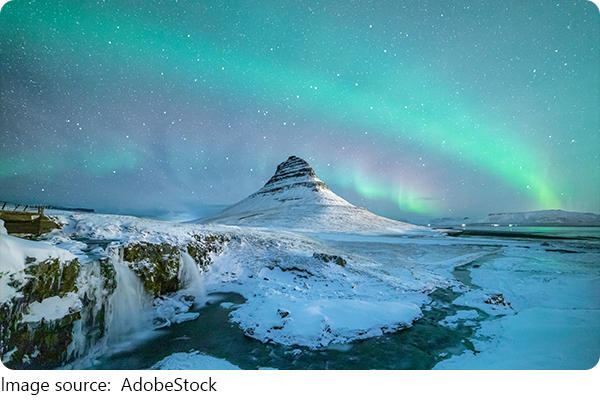
The first time I saw the aurora, I froze—not from the cold, but from the realization that my camera wasn't ready for what was unfolding. While the sky danced in ribbons of green, my photos came out as faint smudges.
It took a few nights, a lot of trial and error, and a patient tripod to finally match what my eyes were seeing. If you're dreaming of photographing the northern lights or capturing star-filled skies in Iceland or Alaska, this guide will help you leap straight into results that look polished, intentional, and proudly frame-worthy.
1. Choosing the Right Place and Time
Both Iceland and Alaska offer accessible, aurora-friendly locations—if you know when and where to look.
Best viewing months
In both regions, the strongest aurora activity typically occurs from September to March, when nights are longest. The “sweet spot” for beginners is often February to early April, when skies are clearer and temperatures slightly less extreme.
Easy-to-reach dark-sky areas
In Iceland, travelers often head toward Thingvellir National Park or the south coast away from city lights. In Alaska, Fairbanks is a popular base thanks to frequent aurora activity and well-developed transport routes.
Local transportation tips
Car rentals range from USD 70–120 per day depending on season and terrain needs. If you're not comfortable driving in winter, guided aurora tours in both regions cost around USD 90–150 and typically last 3–4 hours.
Put simply: the darker the location and the longer the night, the higher your chances of unforgettable shots.
2. Essential Gear Every Beginner Should Bring
Great aurora photos rely more on the right equipment than on having the most expensive camera.
Use a sturdy tripod
Exposure times for night shots can last several seconds, so even micro-shakes blur the image. Look for a tripod that locks tightly and stays stable on uneven, icy ground.
Choose a wide-angle lens
A 14–24mm lens captures sweeping skies and dramatic foregrounds. A low aperture (f/2.8 or wider) lets in much more light, which is crucial for nighttime clarity.
Pack spare batteries
Cold temperatures drain batteries quickly. Keep extras in an inner pocket so they stay warm and charge longer.
These basics turn unpredictable skies into clean, sharp, usable photos.
3. Camera Settings That Deliver Reliable Results
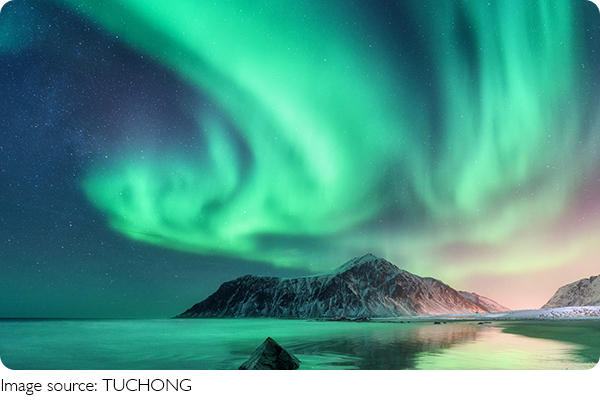
You don't need to memorize complex photography theory. Start with these base settings, then adjust according to brightness.
Exposure time: 5–10 seconds
This captures shape and movement without turning the aurora into a blurry haze. If the lights are faint, extend slightly; if they're fast-moving, shorten for crisp lines.
Aperture: f/2.8 or wider
Low apertures help you gather maximum light in each frame. It's especially helpful in rural or partly cloudy areas.
ISO: 800–1600
This range balances brightness with minimal noise. In extremely dark areas, you can push ISO to 3200 and correct noise in editing.
With these settings, even first-timers can create shots that look deliberate and professional.
4. Use Aurora Apps and Forecast Tools Like the Pros
Even expert photographers rely on forecasts—because auroras don't follow a simple schedule.
Aurora prediction apps
Apps such as “My Aurora Forecast” or “Aurora Alerts” provide KP index predictions, cloud coverage, and alerts when activity spikes. A KP level of 2–4 is enough for visible auroras in Iceland and Alaska.
Check real-time cloud maps
Weather services in both regions provide satellite-based cloud cover updates. Clear skies matter more than high KP levels, so prioritize cloud-free areas.
Plan flexibility into your night
Auroras can peak for just 10–20 minutes. Staying out for several hours dramatically increases your chances of catching the most vibrant displays.
Forecast tools don't guarantee success, but they help you avoid wasted nights.
5. Field Techniques That Elevate Your Photos
This is where beginners often see the biggest difference—small habits that make shots cleaner, sharper, and more dynamic.
Manual focus with a distant light
Autofocus struggles in darkness. Aim your lens at a faraway house light, car, or star, then switch to manual mode to lock the sharpness.
Add a foreground element
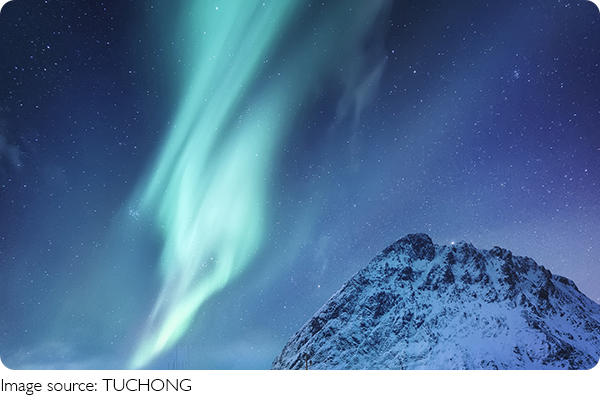
Silhouettes of rocks, shorelines, snow-covered cabins, or parked vehicles give your frame depth and scale. Aurora-only photos look good—but aurora-plus-landscape photos look incredible.
Keep your lens clear
Moisture fogs up glass in cold weather. Bring microfiber cloths and check your lens every 15–20 minutes.
These techniques often make the difference between a good picture and a breathtaking one.
6. When the Night Sky Teaches You to Slow Down
Photographing auroras or star fields is as much about patience as it is about settings. You wait, you hope, you adjust, and then—suddenly—the sky rewards you with something you couldn't script. Standing in the cold with your tripod, breath fogging the air, you realize that the process itself becomes part of the memory. And sometimes, the best photo isn't just what your camera captures, but what the moment teaches you about stillness, presence, and wonder.