Hidden Towns, Deep Stories

Ethan Sullivan
| 08-06-2026
 · Travel team
Some places charm you before you even understand why. Maybe it's the breeze carrying a local melody, or the way a street artisan looks up from their craft with quiet pride.
In a world crowded with top-10 lists and viral destinations, cultural gems often sit quietly in the background—authentic, unpolished, and deeply rewarding.
Here are five small towns that rarely make the spotlight but offer experiences you'll remember far longer than any famous landmark.
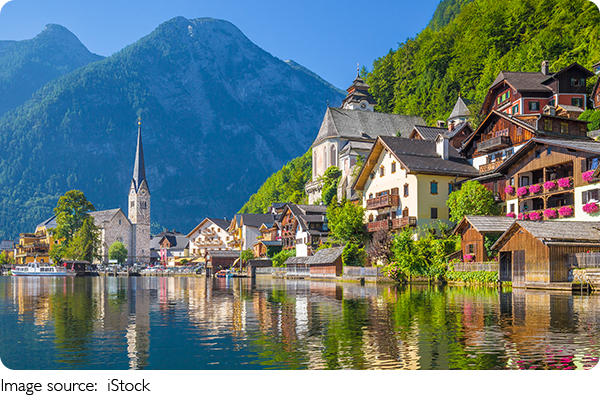
1. Hallstatt, Austria: A Lakeside Village Frozen in Time
• What makes it special
Hallstatt's origins date back thousands of years, with salt mining shaping its economy and traditions. The town's compact layout, wooden homes, and calm lake create an atmosphere that feels untouched by the rush of modern tourism once you wander away from the main square.
• Cultural experience to look for
Traditional craft shops sell handmade woodwork, a reflection of techniques passed down through generations.
• Practical travel details
Best time to visit: May–September for clear lake views
Transport: 2.5 hours from Salzburg by train + ferry
Local tip: Arrive before 9 a.m. to enjoy quiet streets before day-trippers arrive.
2. Giethoorn, Netherlands: The Whisper-Quiet Village of Waterways
• What makes it special
Giethoorn is often called the "village without roads," relying on canals and tiny bridges. Its silence gives travelers a rare sense of calm, with boat travel shaping daily life and local customs.
• Cultural experience to look for
Small museums showcase traditional farming tools and regional crafts that reflect centuries of rural life.
• Practical travel details
Boat rental: Around USD 25–35 for two hours
Best time to visit: Late spring for mild weather
Local tip: Choose an electric boat to maintain the peaceful atmosphere.
Giethoorn
3. Óbidos, Portugal: A Medieval Town Wrapped in White Walls
• What makes it special
This hilltop village has retained its medieval layout, with narrow cobblestone paths and whitewashed houses decorated with local floral patterns. Its roots stretch back to Roman times, but its strongest character comes from the centuries when it was gifted to Portuguese queens.
• Cultural experience to look for
Local artisans create ceramics painted with traditional blue motifs, each pattern carrying centuries of symbolism.
• Practical travel details
Entry to the town: Free
Transport: About 1 hour by bus from Lisbon
Local tip: Visit on weekday mornings for quiet streets and easier access to the wall-top walk.
4. Takayama, Japan: A Mountain Town with Timeless Craftsmanship
• What makes it special
Takayama blends mountain serenity with a long history of craftsmanship. Its preserved old town features merchant homes, wooden façades, and narrow alleys that feel like a step into the past.
• Cultural experience to look for
Morning markets along the river showcase handmade textiles and regional snacks prepared using traditional techniques.
• Practical travel details
Best time to visit: April–May or October for mild weather
Transport: Around 2.5 hours from Nagoya by express train
Local tip: Visit the artisan workshops early when craftsmen are most active.
5. Mendocino, United States: A Coastal Town with Creative Soul
• What makes it special
Mendocino sits on dramatic cliffs overlooking the Pacific, with Victorian buildings that reflect its 19th-century roots. Today it's a quiet haven for artists, musicians, and small craft studios.
• Cultural experience to look for
Local galleries host rotating exhibitions featuring ceramics, paintings, and handmade jewelry created by residents.
• Practical travel details
Best time to visit: June–October for clear coastal views
Transport: A scenic three-hour drive from San Francisco
Local tip: Walk the coastal trail just after sunrise for unmatched stillness and ocean colors.
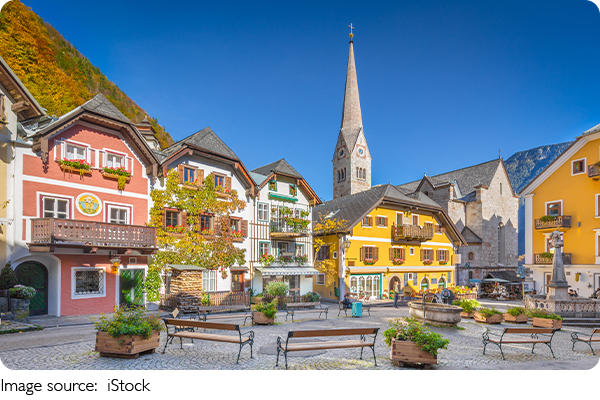
Why These Quiet Towns Matter
The beauty of these small towns isn't just in their scenery—it's in how they preserve the rhythms of everyday life that bigger cities often lose. When you take the time to slow down, talk to artisans, wake up before the crowds, and listen to a place beyond its landmarks, you start to understand culture in its purest form. And sometimes, the quietest towns speak the loudest to travelers willing to listen.